

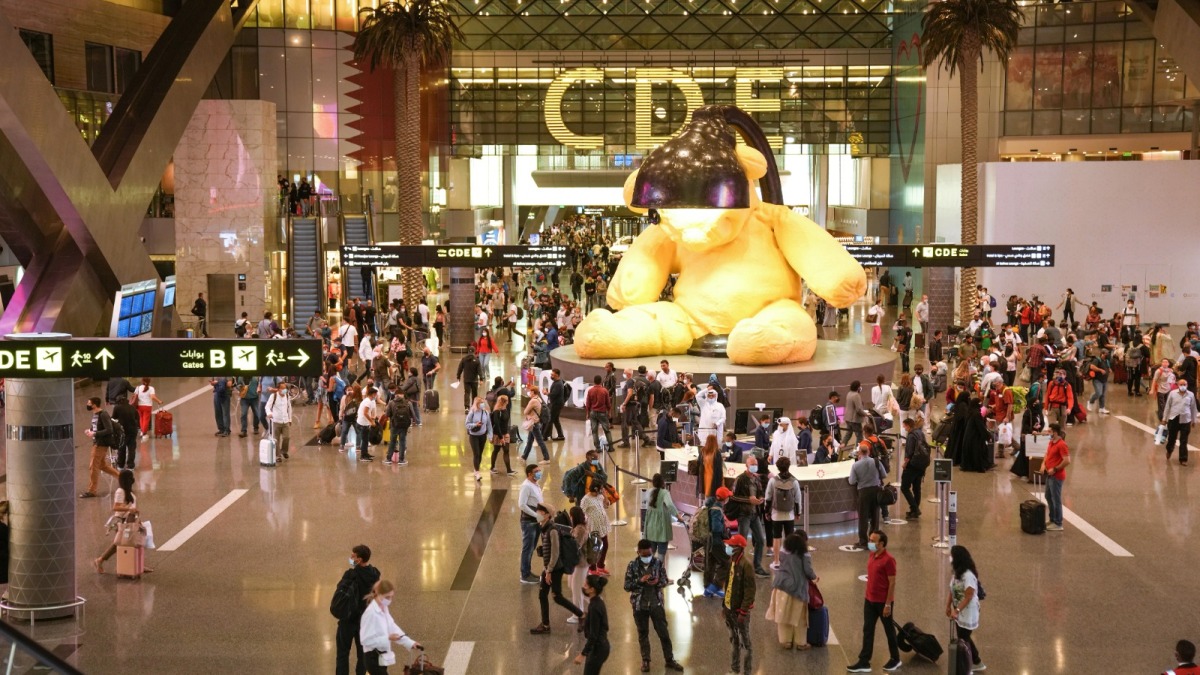

Doha, Qatar – The State of Qatar experienced a surge in air travel in 2025, handling 54.3 million passengers, a 3% increase from the 52.7 million recorded in 2024, according to the Qatar Civil Aviation Authority (QCAA). This growth underscores Qatar’s evolving role as a major global travel hub and its success in attracting international visitors. The figures highlight a continued recovery in the aviation sector and a deliberate strategy to diversify the Qatari economy beyond energy.
The QCAA reported that August was the peak month for travel, with 5 million passengers passing through the country’s airports. December 20th marked the busiest single day, seeing 172,500 passengers – an average of 117 passengers per minute. These statistics demonstrate the significant infrastructure and logistical capabilities Qatar has developed to manage high volumes of travelers.
Qatar Passenger Traffic: A Year of Growth and Events
The increase in passenger traffic is directly linked to Qatar’s proactive efforts to host a diverse range of international events throughout the year. These gatherings span business, sports, and culture, drawing attendees from around the globe. This strategy aims to position Qatar as a premier destination for both leisure and professional travel.
Several high-profile events contributed to the strong numbers. These included the Web Summit Qatar, a leading technology conference, and the Doha Forum, a significant platform for global policy discussions. Sporting events like the FIFA Arab Cup, FIFA Intercontinental Cup, the U-17 World Cup, and the Formula 1 Qatar Airways Grand Prix also brought substantial numbers of visitors to the country.
Boosting Tourism Through Festivals
Beyond major conferences and sporting competitions, Qatar’s vibrant festival calendar played a crucial role in attracting tourists. The Qatar International Food Festival, Doha Jewellery and Watches Exhibition, Lusail Sky Festival, and the Qatar International Kite Festival were among the events that boosted tourism demand. These festivals showcase Qatar’s cultural richness and provide unique experiences for visitors.
However, the growth isn’t solely reliant on events. Ongoing investments in infrastructure, including the expansion of Hamad International Airport and the development of a comprehensive transportation network, have significantly enhanced Qatar’s accessibility. The country’s reputation for safety and security also remains a key draw for international travelers.
The hospitality sector has benefited directly from the increased air travel. Hotels, restaurants, and shopping malls have reported higher occupancy rates and sales figures. Qatar Airways, a globally recognized airline, and Hamad International Airport have been instrumental in facilitating this growth, solidifying Qatar’s position as a vital transit point for passengers traveling between continents.
Furthermore, Qatar is actively promoting its natural attractions, such as its desert landscapes, pristine beaches, and unique mangrove ecosystems. This diversification of tourism offerings aims to appeal to a wider range of travelers and encourage longer stays. The country is also focusing on sustainable tourism practices to preserve its environment for future generations.
The QCAA’s report indicates that Qatar is successfully implementing a long-term strategy to become a year-round travel destination. This strategy is built on a foundation of connectivity, events, and a commitment to providing a high-quality visitor experience. The sustained growth in passenger numbers suggests that Qatar is well-positioned to achieve its tourism goals.
Looking ahead, Qatar will continue to monitor travel trends and adapt its strategies accordingly. Future growth will likely depend on maintaining a robust event calendar, further developing its tourism infrastructure, and navigating potential global economic uncertainties. The QCAA is expected to release updated passenger statistics on a quarterly basis, providing further insights into the performance of the aviation sector and the overall tourism industry.