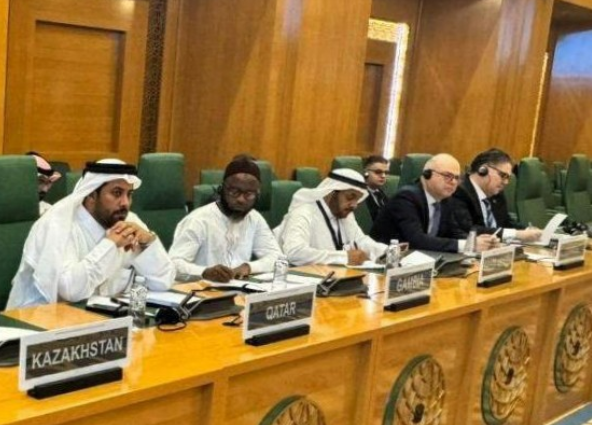

Qatar participated in a crucial technical preparatory meeting of the Organization of Islamic Cooperation (OIC) Contact Group on Afghanistan, held in Jeddah this week. The meeting focused on coordinating a unified approach to the ongoing challenges facing the country, encompassing humanitarian aid, political engagement, and sustainable development. Qatar’s delegation emphasized the need for a balanced strategy that respects Afghanistan’s unique context and supports the aspirations of its people.
The discussions, which took place at the OIC headquarters, involved representatives from various member states and international organizations. Dr. Khalid Abdulaziz Al Khalifi, First Secretary at the Office of the Special Envoy to the Minister of Foreign Affairs, led the Qatari delegation and underscored the importance of collective action. The meeting aimed to formulate practical recommendations to enhance the Contact Group’s effectiveness in addressing the complex situation in Afghanistan.
Qatar Advocates for Balanced Approach to Afghanistan
Qatar has consistently advocated for a pragmatic and multifaceted approach to Afghanistan, balancing immediate humanitarian needs with long-term political and economic considerations. According to the Ministry of Foreign Affairs, Qatar believes that isolating Afghanistan is counterproductive and could exacerbate the existing challenges. Instead, the country promotes constructive dialogue and engagement with the current administration.
The ongoing humanitarian crisis in Afghanistan remains a primary concern. Millions of Afghans are facing food insecurity, limited access to healthcare, and economic hardship, particularly following the withdrawal of international forces in 2021. Qatar has been a significant provider of humanitarian assistance, and Dr. Al Khalifi reiterated the country’s commitment to supporting the Afghan people during this difficult time.
The Doha Process and International Dialogue
Qatar’s role in facilitating dialogue between Afghanistan and the international community has been particularly noteworthy through the UN-led Doha Process. The ministry highlighted that this process has provided a vital platform for communication and coordination, bringing together key stakeholders to discuss critical issues.
The third round of the Doha Process resulted in the establishment of two specialized working groups: one focused on counter-narcotics and the other on leveraging the private sector for economic development. These groups are intended to foster practical collaboration between the Afghan caretaker government and international partners, addressing both immediate and long-term needs. This initiative demonstrates Qatar’s commitment to finding sustainable solutions for Afghanistan.
However, challenges remain in ensuring the full participation and cooperation of all parties involved. The international community continues to grapple with concerns regarding human rights, particularly the rights of women and girls, under the current Afghan government. These concerns are frequently raised in discussions with Qatari officials, and Qatar has consistently urged the administration to uphold its commitments to international standards.
The OIC Contact Group on Afghanistan was formed in 2019 to coordinate efforts among Islamic nations to promote peace and stability in the country. The group has played a crucial role in advocating for the needs of the Afghan people and facilitating dialogue between various stakeholders. The recent meeting in Jeddah reflects the continued importance of this coordination mechanism.
Related to the situation in Afghanistan, discussions also touched upon regional security implications. The potential for Afghanistan to become a haven for terrorist groups remains a significant concern for neighboring countries and the international community. Qatar emphasizes the importance of addressing these security threats through collaborative efforts and capacity-building initiatives within Afghanistan. The country’s focus on political stability is seen as a key component of preventing the resurgence of extremism.
Furthermore, the issue of economic recovery in Afghanistan was a central theme. With a severely weakened economy, the country relies heavily on international aid. Qatar believes that fostering private sector investment and promoting sustainable economic development are essential for long-term stability and prosperity.
Looking ahead, the OIC Contact Group is expected to convene a ministerial-level meeting in the coming months to review the recommendations from the technical preparatory meeting and formulate a comprehensive strategy for engagement with Afghanistan. The success of these efforts will depend on the willingness of all parties to engage in constructive dialogue and prioritize the needs of the Afghan people. Monitoring the implementation of the working groups established through the Doha Process and the evolution of the security situation within Afghanistan will be crucial in assessing the effectiveness of the international community’s approach.
The next steps will likely involve further technical consultations and the development of specific action plans. The international community will be watching closely to see if these efforts can translate into tangible improvements in the lives of Afghans and contribute to a more peaceful and stable future for the country.