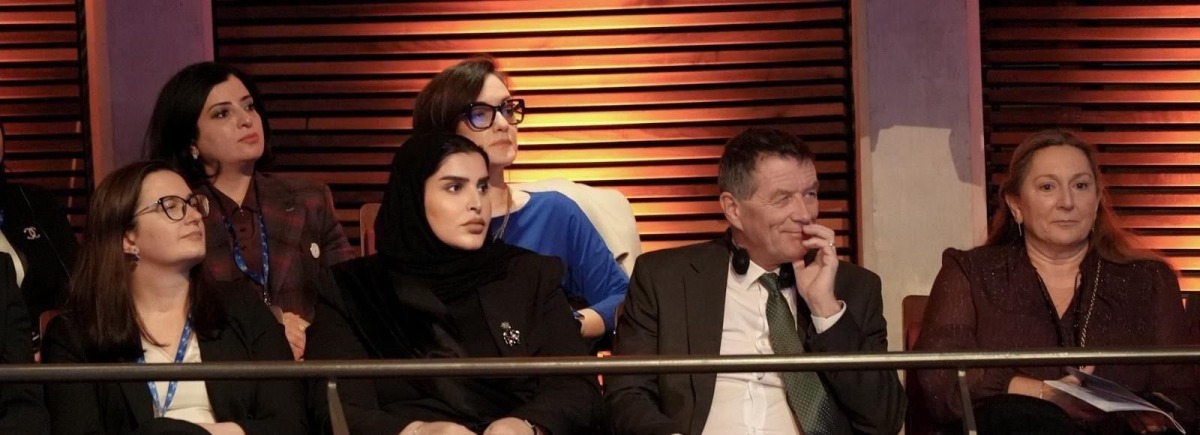

The State of Qatar actively participated in the formal launch of the Republic of Cyprus’s Presidency of the Council of the European Union, signaling continued diplomatic engagement with European partners. Minister of State for International Cooperation, HE Dr. Mariam bint Ali bin Nasser Al-Misnad, led the Qatari delegation at the opening ceremony held in Nicosia on January 8, 2024. This participation underscores Qatar’s commitment to fostering EU-Qatar relations and collaborative efforts on regional and international issues.
The event, hosted in the Cypriot capital, brought together representatives from EU member states and partner countries. Qatar’s presence highlights the growing importance of dialogue between the Gulf region and the European Union, particularly as both navigate complex geopolitical challenges. The Cypriot Presidency will focus on key priorities including migration, the green transition, and security, according to statements from the Council.
Strengthening EU-Qatar Relations Through Diplomatic Engagement
Qatar and the European Union maintain a robust partnership built on shared interests in energy security, economic diversification, and regional stability. The EU is a significant trading partner for Qatar, and Qatari investments contribute to European economies. This latest demonstration of support for the Cypriot Presidency reflects Qatar’s desire to deepen these ties further.
Cyprus’s Role in the EU
Cyprus assumed the rotating Presidency of the Council of the European Union for six months, beginning January 1, 2024. This role involves chairing Council meetings, setting the agenda, and driving forward legislative proposals. Cyprus joined the EU in 2004, and its Presidency comes at a critical juncture for the bloc, facing ongoing challenges related to the war in Ukraine and broader economic uncertainties.
However, the island nation’s presidency is also complicated by the ongoing division of Cyprus. The Republic of Cyprus controls the southern two-thirds of the island, while the northern third is administered by the Turkish Republic of Northern Cyprus, which is recognized only by Turkey. This situation adds a layer of complexity to the Presidency’s agenda and diplomatic efforts.
Meanwhile, Qatar’s involvement in European affairs extends beyond diplomatic representation. QatarEnergy has significant investments in LNG projects across Europe, contributing to the continent’s efforts to reduce its reliance on Russian gas. These energy partnerships are a key component of the broader Qatar-Europe cooperation framework.
Implications for Regional Diplomacy
The Qatari delegation’s attendance at the ceremony signals a continued willingness to engage in multilateral diplomacy. Qatar has consistently advocated for peaceful resolutions to regional conflicts and has played a mediating role in several disputes. The Ministry of Foreign Affairs has emphasized the importance of constructive dialogue and collaboration in addressing shared challenges.
In contrast to some regional actors, Qatar maintains open communication channels with a diverse range of international partners, including both EU member states and other key stakeholders. This approach allows Qatar to play a constructive role in fostering stability and promoting common interests. The country’s foreign policy is increasingly focused on economic diversification and strengthening its position as a reliable international partner.
Additionally, the event provided an opportunity for Dr. Al-Misnad to hold bilateral meetings with European officials, discussing issues of mutual concern and exploring potential areas for enhanced cooperation. These discussions likely covered topics such as counter-terrorism, cybersecurity, and climate change, all areas where international cooperation is crucial.
The Cypriot Presidency is expected to prioritize strengthening the EU’s external borders and addressing irregular migration flows. This issue is of particular relevance to Qatar, given its role as a transit hub and its commitment to humanitarian assistance. The EU’s approach to migration will be closely watched by Qatar and other regional partners.
Looking ahead, the success of the Cypriot Presidency will depend on its ability to navigate complex political challenges and build consensus among EU member states. Qatar will likely continue to monitor developments closely and seek opportunities to engage with the EU on issues of shared interest. The next key deadline will be the conclusion of the Cypriot Presidency in July 2024, after which Spain will assume the rotating leadership, and the impact of their priorities on diplomatic ties remains to be seen.