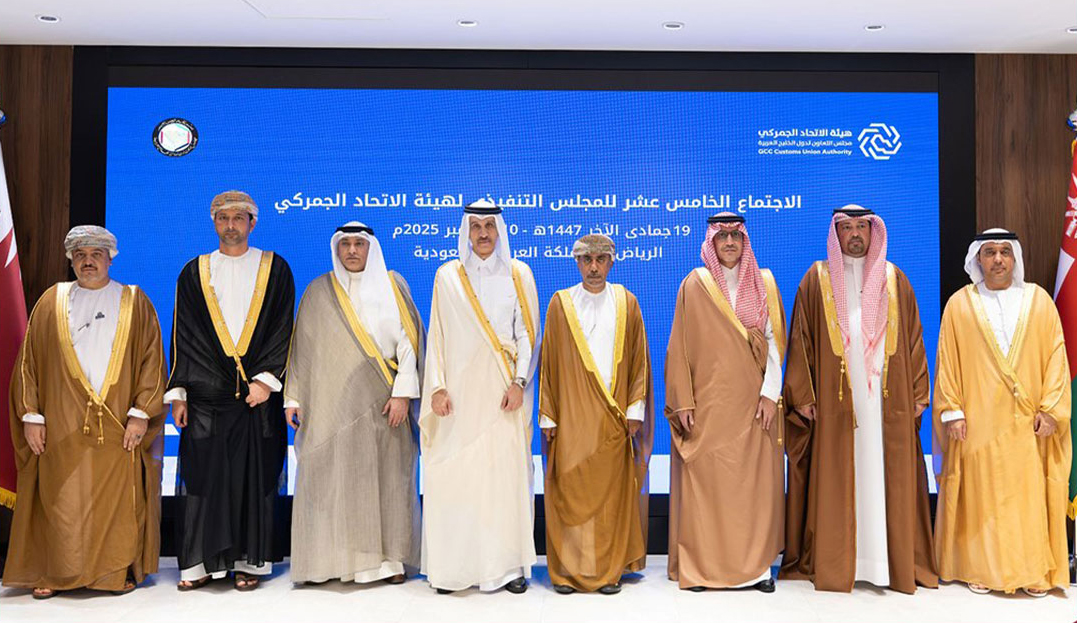

Riyadh, Saudi Arabia – Qatar actively participated in the 15th meeting of the Customs Union Authority of the Gulf Cooperation Council (GCC) held this week in Riyadh. The discussions centered on strengthening GCC customs union efforts, including updates to unified regulations and progress on key integration projects. Qatar’s delegation, led by Chairman of the General Authority of Customs, H.E. Ahmed bin Abdullah Al Jamal, emphasized the importance of streamlined trade and enhanced regional cooperation.
The meeting, which convened on [Insert Date if known, otherwise omit], brought together representatives from all six GCC member states – Bahrain, Kuwait, Oman, Qatar, Saudi Arabia, and the United Arab Emirates – to address ongoing challenges and opportunities in customs administration. The focus was on fostering a more unified and efficient system for managing the flow of goods within the region and with international partners. This latest gathering underscores the GCC’s commitment to economic integration.
Advancing the GCC Customs Union Agenda
The primary objective of the GCC Customs Union is to create a single market with a common external tariff, facilitating the free movement of goods and boosting economic growth across the region. According to reports from the meeting, delegates reviewed the implementation of previous decisions made by the Executive Council and assessed the status of projects designed to complete the requirements for full customs union establishment. These projects encompass areas like standardized procedures, information sharing, and dispute resolution mechanisms.
Key Discussion Points
A significant portion of the meeting was dedicated to reviewing proposed amendments to the unified customs law for GCC countries. These updates aim to address emerging trade practices, enhance security measures, and simplify customs procedures for businesses. The revisions are expected to harmonize regulations and reduce barriers to trade, fostering a more competitive economic environment.
Additionally, committee reports were presented and analyzed, providing insights into specific areas of customs operations. These reports covered topics such as risk management, intellectual property rights enforcement, and the implementation of new technologies to improve customs efficiency. The use of technology, including artificial intelligence and blockchain, is increasingly seen as crucial for modernizing customs processes and combating illicit trade.
The meeting also addressed the importance of coordinated efforts to combat smuggling and counterfeiting, issues that pose a threat to regional economic stability and consumer safety. Enhanced collaboration on intelligence sharing and joint enforcement operations are considered vital to tackling these challenges effectively. This aligns with broader international initiatives to secure supply chains and protect intellectual property.
The role of the Customs Union Authority is pivotal in promoting cooperation and coordination among the customs administrations of the GCC countries. It serves as a platform for sharing best practices, developing common standards, and addressing cross-border issues related to trade and customs enforcement. This collaborative approach is seen as essential for supporting the Gulf integration process and enhancing the region’s competitiveness in the global economy. Intra-regional trade is a key benefit of this union.
Experts suggest that a fully realized customs cooperation framework within the GCC could significantly boost non-oil trade and attract foreign investment. However, challenges remain in achieving complete harmonization of customs procedures and addressing differing national priorities. The implementation of a common transit system, for example, has faced delays due to logistical and technical complexities. Trade facilitation remains a central goal.
Looking ahead, the GCC is expected to continue working towards the full implementation of the Customs Union, with a focus on finalizing the unified customs law and addressing outstanding technical issues. The next meeting of the Executive Council is scheduled for [Insert Date if known, otherwise omit], where further progress will be assessed and future steps outlined. The timeline for complete implementation remains uncertain, dependent on continued political will and effective coordination among member states. Monitoring the progress of the unified customs law revisions will be particularly important in the coming months.
Sources indicate that the GCC is also exploring potential partnerships with other regional and international organizations to enhance its customs capabilities and promote trade. These collaborations could involve technical assistance, training programs, and the exchange of information on best practices in customs administration.