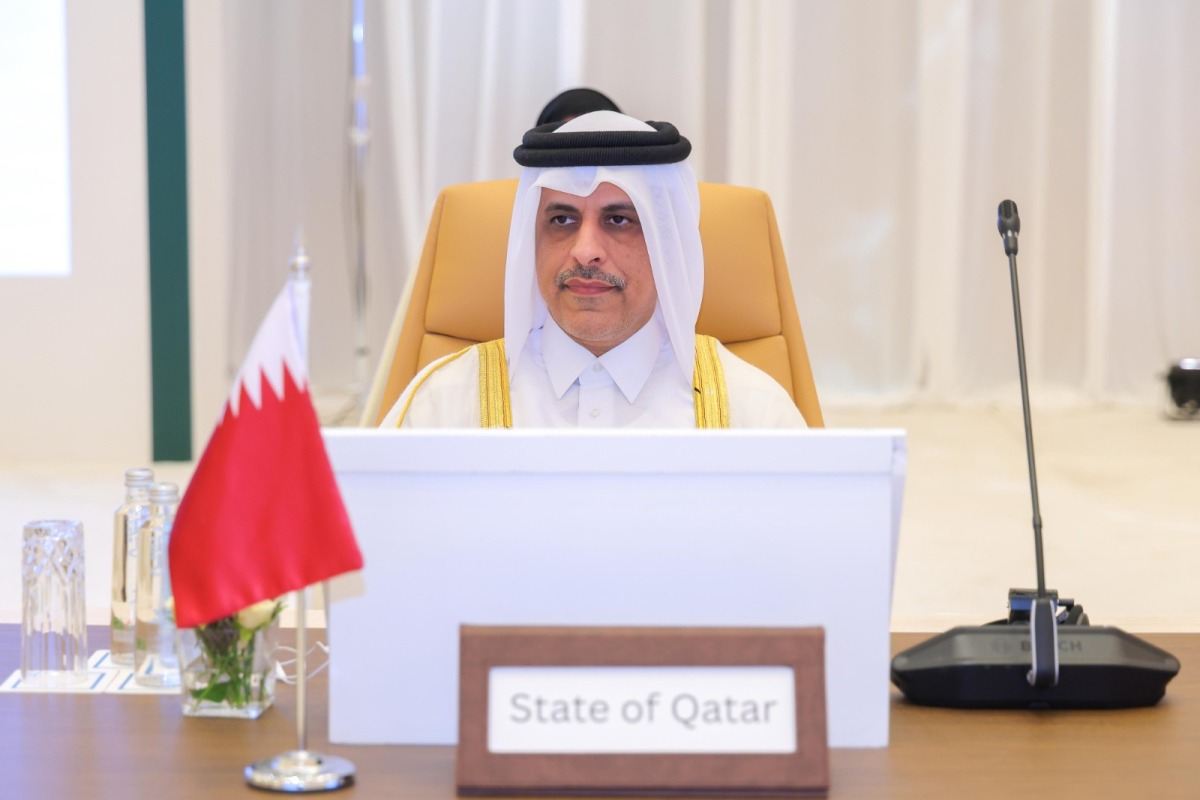

Doha, Qatar – The State of Qatar actively participated in the 19th meeting of the Executive Committee of the Middle East Green Initiative (MGI) held in Jeddah, Saudi Arabia, demonstrating its ongoing commitment to regional climate change efforts. The meeting, which took place recently, focused on accelerating the implementation of the ambitious initiative and fostering greater collaboration among member states. Qatar’s involvement underscores its dedication to sustainable development and addressing environmental challenges alongside its neighbors.
Assistant Undersecretary for Climate Change Affairs at Qatar’s Ministry of Environment and Climate Change, Engineer Ahmad Mohammed Al Sada, represented the nation at the discussions. The committee reviewed progress on existing MGI projects and explored new avenues for cooperation in areas crucial to environmental sustainability. This participation highlights Qatar’s proactive stance on global environmental issues.
Qatar’s Role in the Middle East Green Initiative and Regional Climate Action
The Middle East Green Initiative, launched by Saudi Arabia, is a comprehensive framework designed to tackle the unique environmental hurdles facing the region. These challenges include desertification, water scarcity, and the impacts of rising global temperatures. The initiative aims to reduce carbon emissions, increase the adoption of renewable energy sources, and improve environmental conservation practices across the Middle East.
According to the Ministry of Environment and Climate Change, the meeting in Jeddah centered on enhancing mechanisms for regional cooperation. Discussions included strategies for sharing best practices, mobilizing financial resources, and developing joint projects related to climate change mitigation and adaptation. This collaborative approach is seen as essential for achieving meaningful progress.
Focus Areas of the MGI
The MGI prioritizes several key areas of intervention. These include large-scale afforestation projects, aiming to restore degraded lands and enhance carbon sequestration. Additionally, the initiative promotes investments in clean energy technologies, such as solar and wind power, to reduce reliance on fossil fuels.
Water management is another critical component of the MGI, given the region’s severe water scarcity. The initiative supports the development of innovative water conservation techniques and the implementation of sustainable water resource management policies. These efforts are vital for ensuring long-term environmental security.
Qatar has been independently pursuing ambitious environmental goals, including a National Environment and Climate Change Strategy. This strategy outlines the country’s commitment to reducing greenhouse gas emissions and promoting sustainable practices across various sectors. The MGI provides a valuable platform to align these national efforts with broader regional objectives.
However, the implementation of large-scale environmental initiatives like the MGI faces logistical and financial hurdles. Securing consistent funding and overcoming bureaucratic obstacles are ongoing challenges. The report indicates that member states are actively working to address these issues through innovative financing mechanisms and streamlined project approval processes.
Meanwhile, the initiative’s success hinges on effective monitoring and evaluation of its projects. Establishing clear metrics and transparent reporting systems is crucial for tracking progress and ensuring accountability. The committee discussed the development of a robust monitoring framework to assess the impact of the MGI’s interventions.
In contrast to some global climate agreements, the MGI is specifically tailored to the needs and circumstances of the Middle East. This regional focus allows for more targeted and effective interventions, addressing the unique environmental vulnerabilities of the area. The initiative also fosters a sense of shared responsibility and encourages collective action among member states.
The MGI’s emphasis on sustainability extends beyond environmental concerns to encompass economic and social dimensions. The initiative aims to create green jobs, promote sustainable tourism, and enhance the overall quality of life for communities across the region. This holistic approach recognizes the interconnectedness of environmental, economic, and social well-being.
Looking ahead, the next meeting of the MGI Executive Committee is expected to focus on finalizing project proposals and securing commitments for funding. A key deadline will be the end of the year, when member states are expected to present detailed implementation plans for their respective contributions to the initiative. The long-term success of the MGI will depend on sustained political will, effective collaboration, and a commitment to measurable results. Continued monitoring of the initiative’s progress and adaptation to emerging challenges will be essential.
Learn more about the Middle East Green Initiative.
Visit the Qatar Ministry of Environment and Climate Change for details on national strategies.
Further information on regional environmental policy can be found at UNESCO’s Natural Sciences Sector.