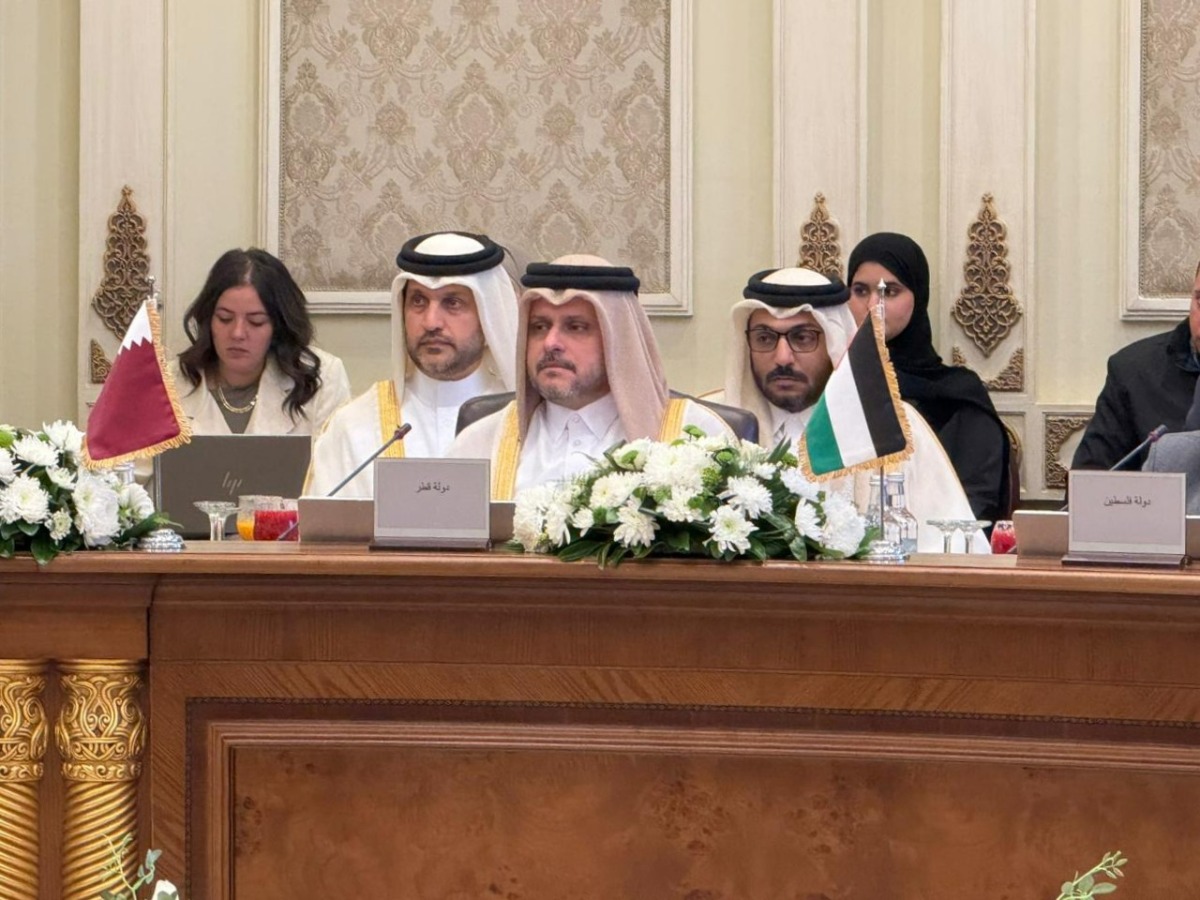

Qatar actively participated in the 29th session of the Council of Arab Ministers of Communications and Information, held in Cairo yesterday. The meeting focused on strengthening regional collaboration in the rapidly evolving fields of information technology, artificial intelligence, and postal services. Qatar’s delegation, led by Sami Mohammed Al Shammari, Assistant Undersecretary for Infrastructure and Operations Affairs at the Ministry of Communications and Information Technology, emphasized the need for unified Arab strategies in the face of accelerating technological advancements.
The session, convened by the League of Arab States, brought together representatives from across the Arab world to discuss key issues and challenges impacting the communications sector. Discussions centered on fostering greater cooperation, adopting ethical frameworks for emerging technologies, and addressing logistical hurdles within the postal system. The meeting concluded with several key decisions aimed at bolstering the region’s digital infrastructure and promoting innovation.
Strengthening Arab Cooperation in Information Technology
Qatar’s participation underscored its commitment to regional partnerships and the sharing of expertise in information technology. Al Shammari stated that Qatar has made substantial progress in the sector in recent years and is eager to collaborate with other Arab nations. This includes sharing knowledge gained through recent infrastructure projects and the development of national digital strategies, according to statements to the Qatar News Agency (QNA).
However, the rapid pace of technological change necessitates a coordinated approach. Al Shammari highlighted the importance of aligning regional positions in preparation for international forums, suggesting that a unified Arab voice will be crucial in shaping global policies related to information technology and artificial intelligence. This coordination will begin at the Arab level, paving the way for a more cohesive stance on international issues.
Key Outcomes of the Cairo Session
A significant outcome of the meeting was the establishment of a permanent Committee on Artificial Intelligence and Emerging Technologies under the Council of Arab Ministers of Communications. This committee will be responsible for monitoring developments in these fields and formulating recommendations for Arab governments. Additionally, the council adopted the Arab Ethical Charter for Artificial Intelligence, providing a framework for responsible development and deployment of AI technologies.
The session also addressed challenges facing the postal sector. Notably, the council approved full membership for the State of Palestine in the Universal Postal Union (UPU), a move hailed as a significant achievement by Ambassador Dr. Ali bin Ibrahim Al Malki, Assistant Secretary-General and Head of the Economic Affairs Sector at the League of Arab States. The Palestinian flag was raised at the UPU for the first time, symbolizing increased regional integration.
Furthermore, the ministers reviewed progress made on previous initiatives and discussed ongoing efforts to improve communications infrastructure across the Arab world. The discussions also touched upon the importance of cybersecurity and data protection, recognizing these as critical components of a robust digital ecosystem. Digital transformation initiatives were also a key topic of conversation.
Meanwhile, the League of Arab States emphasized the importance of addressing the digital divide within the region. Al Malki noted that ensuring equitable access to information technology and digital services is essential for inclusive economic growth and social development. This requires investment in infrastructure, education, and capacity building.
Looking ahead, the newly formed Committee on Artificial Intelligence and Emerging Technologies is expected to convene its first meeting within the next six months to begin developing a detailed work plan. The implementation of the Arab Ethical Charter for Artificial Intelligence will also be a priority. The success of these initiatives will depend on sustained political will and financial commitment from member states, and the evolving geopolitical landscape could influence the pace of progress.
The Council of Arab Ministers of Communications and Information will likely reconvene next year to review progress and address emerging challenges in the dynamic field of information technology. Continued monitoring of regional cooperation and the impact of new technologies will be crucial for fostering a thriving digital economy across the Arab world.