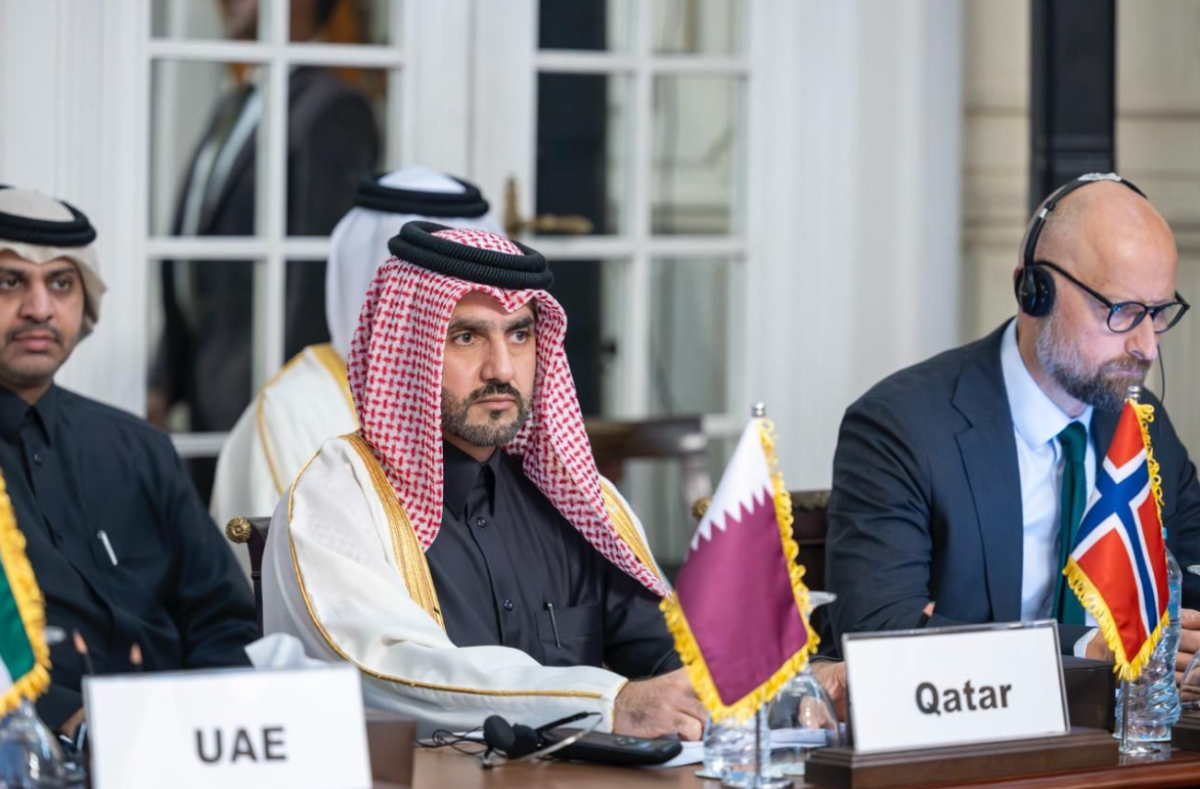

Cairo, Egypt – The State of Qatar participated in the Fifth Consultative Meeting on Enhancing Coordination of Peace Initiatives and Efforts for Sudan, held in Egypt this week. The meeting, attended by representatives from various nations and organizations, focused on bolstering collaborative strategies to address the ongoing conflict and promote a lasting resolution. Qatar’s delegation, led by Director of the Arab Affairs Department at the Ministry of Foreign Affairs HE Nayef bin Abdullah Al Emadi, underscored the nation’s commitment to stability in the region.
The meeting convened as violence continues to grip Sudan, particularly between the Sudanese Armed Forces (SAF) and the paramilitary Rapid Support Forces (RSF). The conflict, which erupted in April 2023, has led to a significant humanitarian crisis and displacement of millions of people. Discussions centered on coordinating existing peace efforts and identifying new avenues for dialogue and mediation.
Qatar’s Role in Sudan Peace Efforts
Qatar has consistently advocated for a peaceful and inclusive solution to the crisis in Sudan. The country’s participation in the Cairo meeting demonstrates its ongoing dedication to supporting regional stability and alleviating the suffering of the Sudanese people. According to the Qatari Ministry of Foreign Affairs, the goal is to strengthen coordination among all concerned parties.
The current situation in Sudan is deeply concerning, with reports of widespread human rights violations and a collapsing healthcare system. The United Nations estimates that over 8 million people have been displaced since the conflict began, creating immense pressure on neighboring countries. This has led to increased regional instability and a growing need for international assistance.
Previous Mediation Attempts
Prior to the current escalation, Qatar played a role in mediating between the Sudanese government and various armed groups. These efforts, while not fully successful in preventing the recent conflict, laid some groundwork for future dialogue. The current meeting builds upon these past initiatives, seeking a more comprehensive and coordinated approach.
However, previous attempts at mediation have been hampered by a lack of trust between the warring factions and external interference. The complex political landscape of Sudan, with its diverse ethnic and regional interests, presents a significant challenge to any peace process. The involvement of multiple actors, both regional and international, further complicates the situation.
Meanwhile, Egypt has been actively involved in seeking a ceasefire and facilitating talks between the SAF and RSF. As the host of the Fifth Consultative Meeting, Egypt aims to leverage its regional influence to bring the parties closer to a negotiated settlement. The African Union and the Intergovernmental Authority on Development (IGAD) are also key players in the ongoing efforts to resolve the conflict.
The meeting participants reportedly discussed the need for a unified international stance on Sudan, emphasizing the importance of respecting the country’s sovereignty and territorial integrity. They also highlighted the necessity of addressing the root causes of the conflict, including economic grievances and political marginalization. A sustainable peace will require inclusive governance and equitable distribution of resources.
In contrast to direct mediation, the focus of this meeting was on coordination. Participants aimed to avoid duplication of efforts and ensure that their respective initiatives complement each other. This collaborative approach is seen as crucial for maximizing the impact of peace efforts and creating a more conducive environment for dialogue. The humanitarian situation in Sudan remains dire, requiring urgent and sustained assistance.
The ongoing conflict has also had a significant impact on Sudan’s economy, disrupting trade and investment. The country is facing a severe shortage of essential goods and services, exacerbating the humanitarian crisis. Addressing the economic challenges will be essential for long-term stability and recovery in Sudan. The situation requires a comprehensive strategy addressing both immediate needs and long-term development.
Looking ahead, the next steps will likely involve continued diplomatic engagement with the SAF and RSF, as well as efforts to mobilize international support for a ceasefire and political transition. A key challenge will be to ensure that all stakeholders are represented in any future negotiations. The success of these efforts remains uncertain, and the situation in Sudan could continue to deteriorate if a political solution is not found soon. Further meetings are expected in the coming months, with a potential deadline for a more concrete action plan by the end of the year, though this is subject to change based on developments on the ground and the progress of diplomatic initiatives. The international community will be watching closely for any signs of de-escalation and a commitment to peaceful dialogue.