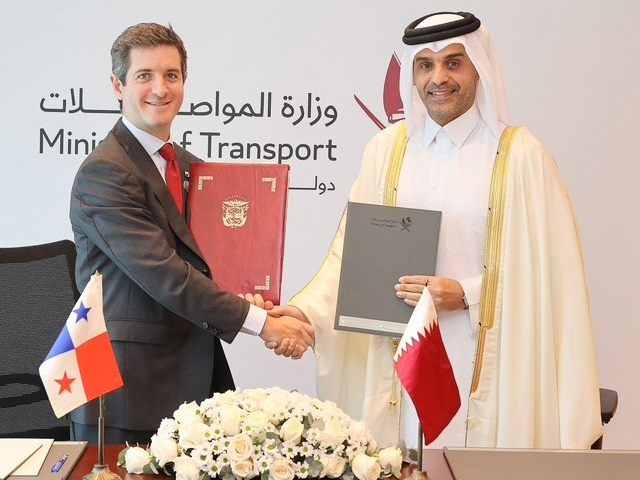

Doha, Qatar – A new agreement between Qatar and Panama will streamline the process for seafarer certification, enhancing maritime trade and upholding international standards. The Memorandum of Understanding (MoU) was signed on December 7, 2023, by Qatar’s Minister of Transport, HE Sheikh Mohammed bin Abdullah bin Mohammed Al-Thani, and Panama’s Deputy Minister of Foreign Affairs, HE Carlos Arturo Hoyos. This collaboration aims to facilitate the recognition of qualifications for maritime personnel between the two nations.
The signing took place in Doha and represents a significant step towards greater cooperation in the global shipping industry. According to the Ministry of Transport, the agreement is designed to align with the International Convention on Standards of Training, Certification and Watchkeeping for Seafarers (STCW Convention), a key international treaty governing maritime education and training. This will improve crew competency and safety standards.
Enhancing Seafarer Certification and Maritime Trade
The core purpose of the MoU is to establish a framework for the mutual recognition of seafarer certification issued by Qatar and Panama. This means that qualified seafarers holding certificates from one country will have their credentials recognized by the other, simplifying employment opportunities and reducing administrative burdens. This is particularly important given the increasing globalization of the maritime sector and the need for a skilled, internationally mobile workforce.
Scope of the Agreement
The agreement applies to seafarers serving on merchant ships registered in either Qatar or Panama, with the exception of vessels covered under Article 3 of the STCW Convention, which typically includes warships and government-owned vessels. The Ministry clarified that the MoU is intended to complement, not supersede, existing national laws in either country. This ensures that both nations retain their regulatory authority over their respective maritime industries.
Additionally, the agreement focuses on ensuring compliance with the STCW Convention’s amendments. The STCW Convention is periodically updated to reflect advancements in maritime technology and safety practices. By aligning their certification processes, Qatar and Panama demonstrate a commitment to maintaining high standards of maritime training and competency. This commitment is crucial for safe and efficient shipping operations.
Meanwhile, the move is expected to benefit ship owners and operators by expanding the pool of qualified seafarers available for employment. Reduced administrative hurdles related to maritime qualifications will also contribute to smoother crew changes and reduced operational costs. Panama, as a major maritime nation with the Panama Canal, is a key player in global trade, and this agreement strengthens its ties with Qatar, a growing force in the regional economy.
In contrast to previous arrangements, this MoU provides a formalized and streamlined process for recognizing crew certification. Prior to this agreement, seafarers often faced lengthy and complex procedures to have their qualifications validated in foreign countries. This new framework aims to eliminate those obstacles and promote greater efficiency.
The meeting following the signing ceremony saw the Minister of Transport and the Deputy Minister of Foreign Affairs discuss broader bilateral cooperation within the transportation sector. The discussions reportedly covered potential areas for future collaboration, including port development and logistics. This suggests a wider strategic partnership between the two countries beyond just seafarer standards.
Looking ahead, the implementation of the MoU will require detailed procedures and coordination between the maritime authorities of Qatar and Panama. The Ministry of Transport has not yet announced a specific timeline for full implementation, but it is anticipated that the process will involve the development of standardized application procedures and verification mechanisms. Observers will be watching to see how effectively the agreement is integrated into existing maritime regulations and how quickly it translates into tangible benefits for seafarers and the shipping industry. Further details regarding the operational aspects of the agreement are expected to be released in the coming months.
Related secondary keywords used: maritime qualifications, crew certification, seafarer standards.