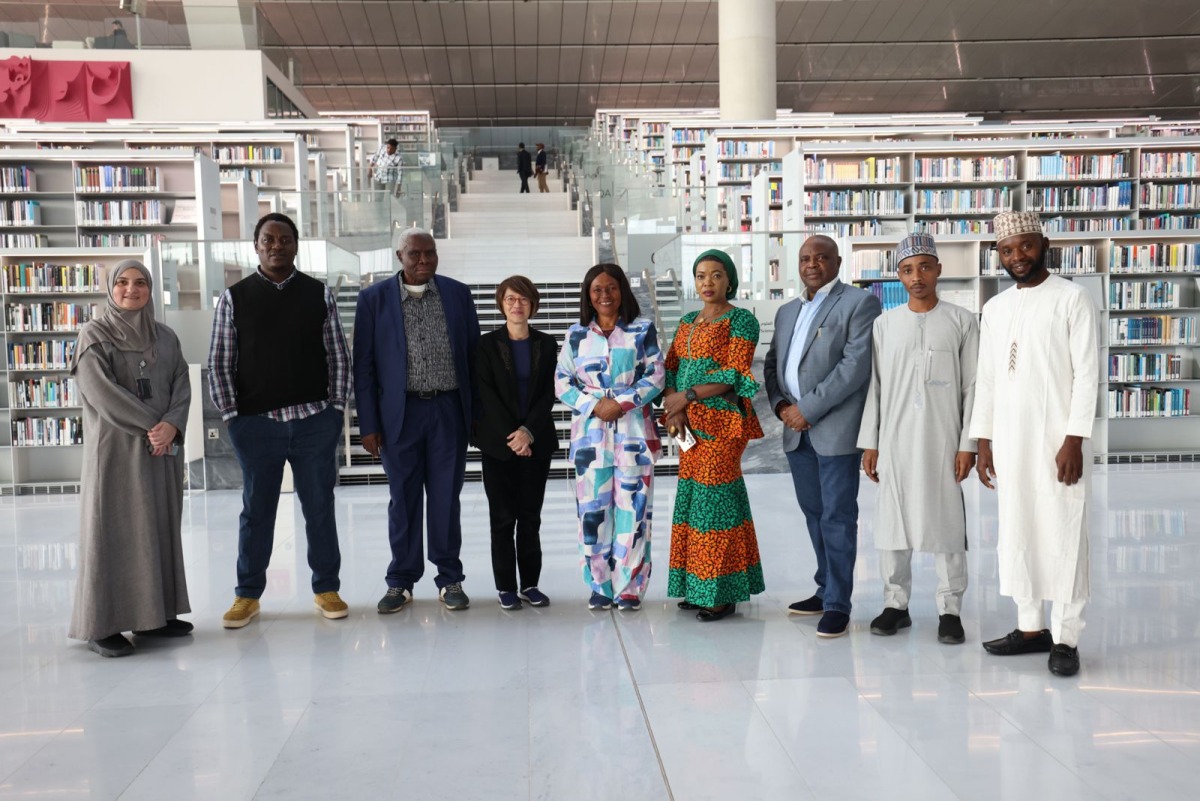

Doha, Qatar – Qatar National Library (QNL) recently hosted a delegation from the National Library of Nigeria for a three-day knowledge exchange, solidifying its position as a leading library hub in the region. The visit, which took place from January 6th to 8th, 2026, focused on strengthening international collaboration in areas like digital transformation, cultural heritage preservation, and modern library services. This exchange underscores the growing importance of shared resources and expertise in the global information landscape.
The delegation, comprised of senior library professionals, engaged in a series of workshops and tours at QNL’s state-of-the-art facilities in Doha. Discussions centered on best practices in information management, access to knowledge, and community outreach. The event highlights Qatar’s commitment to fostering cultural and educational ties with nations across Africa and beyond.
Qatar National Library Strengthens Role as Regional Library Leader
Qatar National Library has been actively expanding its international partnerships in recent years, aiming to contribute to the development of library science and cultural preservation globally. According to QNL officials, these collaborations are crucial for navigating the challenges of the digital age and ensuring equitable access to information for all. The library’s strategic location and advanced infrastructure make it an ideal venue for such exchanges.
The Nigerian delegation received comprehensive tours of QNL’s key departments, including the Preservation and Conservation Center. This allowed for a direct exchange of knowledge regarding the safeguarding of valuable historical documents and artifacts. Both institutions shared insights into their respective approaches to digitization and long-term preservation strategies.
Focus on Digital Innovation and Community Engagement
A significant portion of the knowledge exchange was dedicated to exploring digital library technologies. Sessions covered topics such as digital repositories, e-resource management, and the implementation of smart library systems. These technologies are increasingly vital for modern libraries seeking to enhance user experience and broaden their reach.
Additionally, the delegation examined QNL’s innovative programs for children and its extensive community engagement initiatives. These programs aim to foster a love of reading and learning from a young age, while also providing valuable resources and services to the wider community. The National Library of Nigeria expressed particular interest in replicating some of these successful models.
Tan Huism, Executive Director of Qatar National Library, emphasized the importance of these exchanges. She stated that sharing experiences and strengthening capacity are essential for meeting the evolving needs of modern national libraries. This sentiment was echoed by Prof. Anunobi Chinwe Veronica, Chief Executive Officer of the National Library of Nigeria, who described the visit as “truly inspiring.”
Prof. Veronica highlighted QNL’s exceptional design, innovation, and breadth of services, noting the openness and professionalism of the staff. She expressed a strong desire for continued collaboration, emphasizing the value of shared knowledge in creating a positive impact. The visit also showcased Qatar’s investment in information literacy and its dedication to preserving its cultural heritage.
The collaboration between QNL and the National Library of Nigeria comes at a time when libraries worldwide are adapting to new roles in the digital age. The need for robust knowledge management systems and effective preservation techniques is paramount. This partnership serves as a model for how institutions can learn from each other and collectively address these challenges.
Looking ahead, QNL and the National Library of Nigeria are expected to develop a formal memorandum of understanding outlining specific areas for future collaboration. This may include joint research projects, staff training programs, and the exchange of best practices in areas such as digital archiving and cultural heritage preservation. The timeline for finalizing this agreement remains uncertain, but both institutions have expressed a strong commitment to building a lasting partnership.