
Doha, Qatar – Qatar Museums (QM) is concluding the final phase of its extensive fall-winter 2025 season of exhibitions in February, showcasing a diverse range of artistic and cultural explorations. These exhibits, hosted across various QM venues, focus on themes of national identity, environmental sustainability, and architectural innovation, solidifying Qatar’s position as a regional hub for cultural exchange. The program features both historical retrospectives and immersive contemporary installations, attracting both local residents and international visitors. A key focus of the season is the Qatar Museums exhibitions highlighting the nation’s heritage and future.
The final weeks of the season offer a unique opportunity to experience these thoughtfully curated displays before they close. According to Qatar Museums, the exhibitions aim to foster dialogue and understanding through powerful storytelling and innovative presentation techniques. The program underscores Qatar’s commitment to investing in cultural infrastructure and promoting artistic expression on a global scale.
Exploring Qatar’s Past and Present with Qatar Museums
Among the most prominent exhibitions is “A Nation’s Legacy, A People’s Memory: Fifty Years Told” at the National Museum of Qatar, running until February 7th. This retrospective commemorates the museum’s 50th anniversary, tracing its development from its initial establishment in 1975 within the historic Sheikh Abdullah bin Jassim Palace to its modern incarnation in the Jean Nouvel-designed building, inspired by the desert rose.
The exhibition delves into the museum’s role in preserving and promoting Qatar’s cultural heritage. It showcases how the museum has adapted its methods over the decades, incorporating new technologies and approaches to engage audiences with the nation’s history. Rare archival materials, including photographs and documents, are presented alongside contemporary recreations of beloved elements from the original museum site.
The Evolution of a National Icon
The National Museum of Qatar’s journey reflects the broader transformation of Qatar itself. The exhibition highlights the country’s rapid development and its increasing engagement with the international community. It also emphasizes the importance of cultural institutions in shaping national identity and fostering a sense of belonging.
Visitors can explore recreations of features like the Earth Dome, a popular element of the original museum, offering a nostalgic glimpse into the past. This juxtaposition of old and new underscores the continuity of Qatar’s cultural narrative while acknowledging its dynamic evolution. The exhibition also touches upon the significance of museum architecture in representing national values.
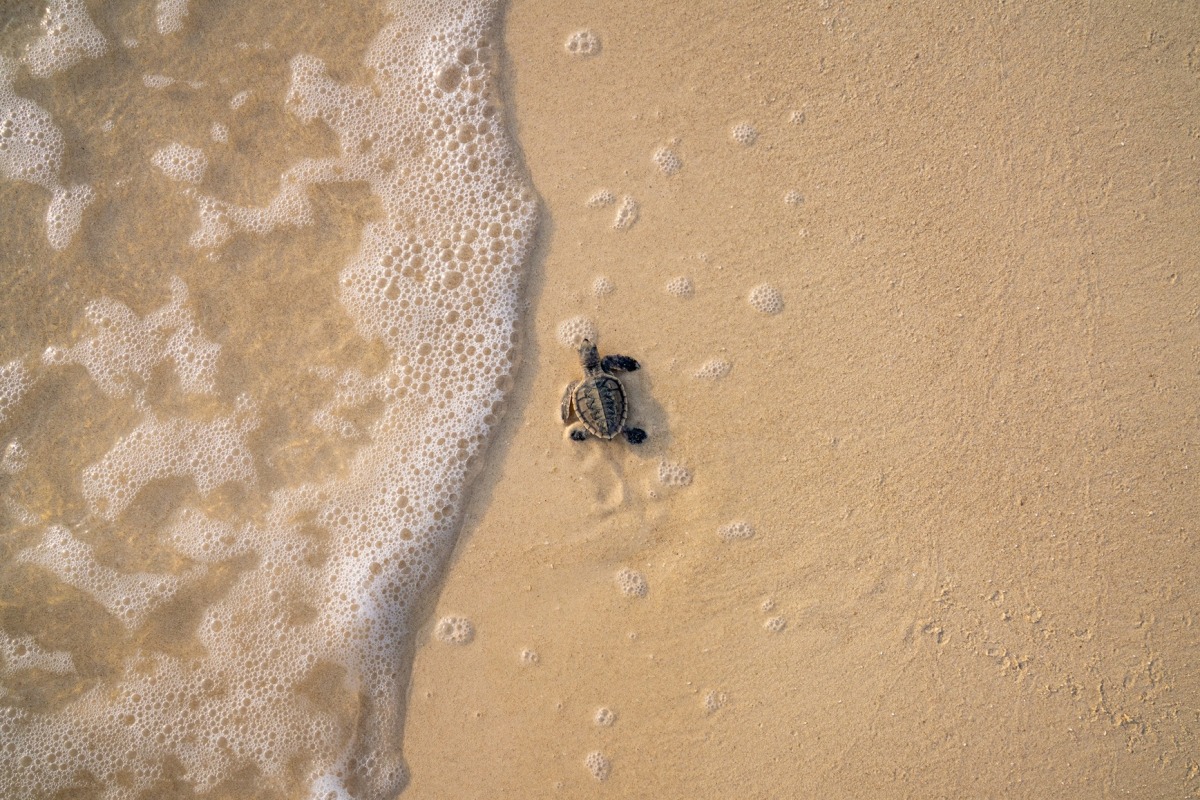
Meanwhile, “Lehmesa: Return by Moonlight” offers a different, yet equally important, perspective. This immersive exhibition focuses on the life cycle of sea turtles, specifically the Hawksbill turtle, which nests along Qatar’s shores. The exhibition aims to raise awareness about the challenges facing these creatures and the importance of marine conservation.
The display addresses critical environmental issues such as habitat loss, pollution, and the impacts of climate change on fragile marine ecosystems. It underscores Qatar’s dedication to protecting its natural environment and ensuring the long-term sustainability of its coastal resources. The exhibition utilizes innovative multimedia installations to create a compelling and educational experience for visitors, promoting environmental awareness.
Qatar Museums has become increasingly recognized for its commitment to both preserving the past and embracing the future. The organization’s initiatives extend beyond exhibitions to include artist residencies, educational programs, and the development of new cultural spaces. This holistic approach aims to cultivate a vibrant and inclusive cultural ecosystem within Qatar.
As the current season draws to a close, Qatar Museums is expected to announce details of its upcoming programming in the coming months. The timing and scope of future exhibitions will likely be influenced by ongoing national development plans and Qatar’s continued efforts to position itself as a global cultural destination. Observers will be watching for announcements regarding potential collaborations with international museums and artists, as well as further initiatives focused on sustainability and cultural preservation.
The success of these exhibitions will be measured by visitor numbers, media coverage, and the extent to which they contribute to public discourse on the featured themes. Qatar Museums’ continued investment in cultural programming remains a key component of the nation’s broader vision for economic diversification and social development.