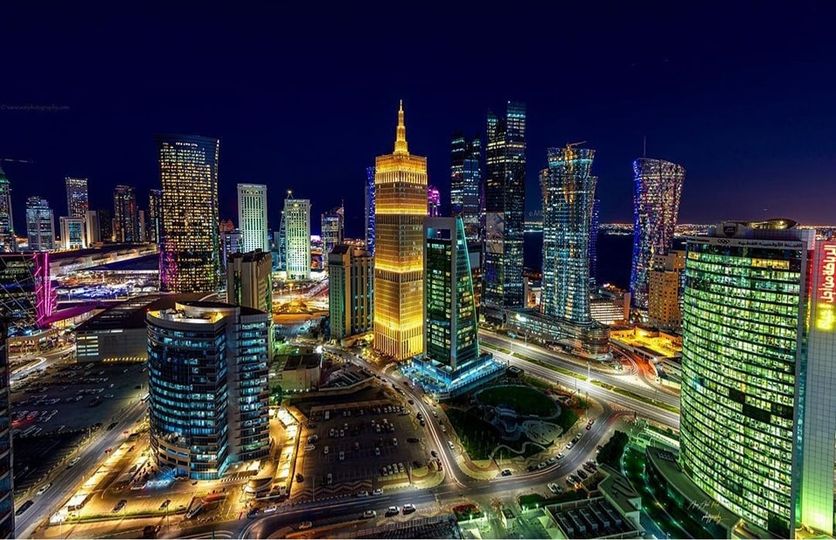

Doha, Qatar will host the Qatar Mediation Forum 2025 on Monday and Tuesday, bringing together international experts to address escalating global conflicts and the evolving landscape of mediation. Organized by the Centre for Conflict and Humanitarian Studies in partnership with the Doha Forum, the event aims to foster discussion on effective peacemaking strategies amidst increasing geopolitical tensions. The forum will convene diplomats, policymakers, and specialists from organizations including the United Nations, African Union, and the International Committee of the Red Cross.
The two-day event, taking place in Doha, comes at a critical juncture as armed conflicts proliferate and traditional diplomatic norms face challenges. According to a statement from the Centre for Conflict and Humanitarian Studies, the forum seeks to develop informed approaches to mediation in a rapidly changing world. Qatar’s role as a facilitator in international disputes has grown in recent years, making it a key location for such discussions.
The Evolving Role of Mediation in Global Conflict Resolution
The forum’s agenda reflects a growing concern over the effectiveness of current peacemaking processes. Dr. Ghassan Al Kahlout, Director of the Centre for Conflict and Humanitarian Studies, emphasized the need to address fundamental questions about the future of mediation. He noted the event will connect practitioners working directly in conflict zones with leading experts in the field of peacebuilding.
This year’s forum builds on the success of previous iterations, demonstrating Qatar’s commitment to promoting global peace and security. The country has actively engaged in diplomatic efforts to resolve regional disputes, including playing a role in negotiations related to conflicts in Sudan and Gaza. This proactive stance underscores Qatar’s ambition to be a central player in international mediation efforts.
Key Discussion Points for 2025
The first day of the forum will focus on the broader international context impacting mediation. Panel discussions will explore the challenges of peacemaking in a changing international system, the potential for regional cooperation involving Gulf States, and the risks associated with great power competition, including nuclear proliferation. These discussions aim to identify new approaches to address complex geopolitical dynamics.
The second day will shift towards practical lessons learned from ongoing conflicts. Panels will address mediation strategies in a multipolar world, where multiple global powers exert influence, and the critical issue of protecting mediators from attacks and ensuring their safety. The safety of peace negotiators is an increasingly pressing concern in many conflict zones, according to reports from the UN.
Additionally, the forum will likely address the increasing influence of non-state actors in conflict resolution. These groups, ranging from civil society organizations to armed factions, often play a significant role in shaping peace processes, requiring mediators to adapt their strategies. Understanding these dynamics is crucial for effective conflict resolution.
Meanwhile, the role of preventative diplomacy will also be a key theme. Experts will discuss strategies to address the root causes of conflict and prevent escalation before it requires full-scale peacekeeping operations. This proactive approach is seen as a more cost-effective and sustainable way to promote peace.
The outcomes of the Qatar Mediation Forum 2025 are expected to inform future policy recommendations and best practices in the field of peacemaking. While concrete deliverables remain to be seen, the forum represents a significant opportunity for dialogue and collaboration among key stakeholders. Further analysis of the discussions and any resulting reports will be available in the weeks following the event, and observers will be watching for indications of how Qatar intends to leverage the forum’s insights in its ongoing diplomatic initiatives.