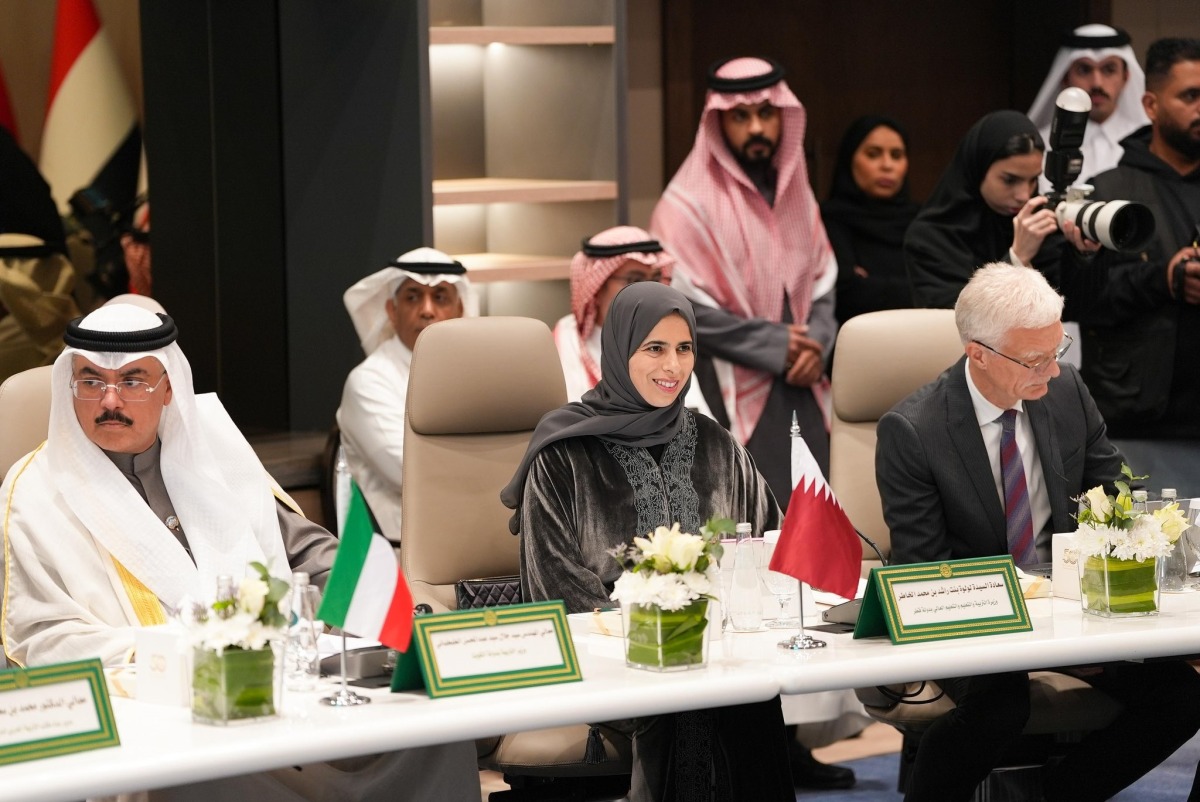

Qatar participated in the 50th-anniversary celebrations of the Arab Bureau of Education for the Gulf States (ABEGS) in Riyadh, Saudi Arabia, this week, reaffirming its commitment to education as a cornerstone of regional development. The event brought together education ministers from the Gulf Cooperation Council (GCC) and representatives from international organizations to discuss the future of education in the region. Qatar’s delegation emphasized the importance of aligning national strategies with global advancements while preserving cultural identity.
Led by Minister of Education and Higher Education HE Lolwah bint Rashid Al Khater, the Qatari delegation engaged in high-level discussions and witnessed the signing of key partnerships. The celebrations highlighted a growing consensus among Gulf states on the need for increased regional cooperation, international collaboration, and the integration of digital technologies within their education systems.
Qatar’s Vision for Education Reform
Qatar views education not only as a means of economic advancement but also as a moral imperative, according to statements made by HE Al Khater during the event. The country is focused on cultivating responsible citizens equipped with leadership skills and a strong sense of national identity. This commitment is reflected in ongoing national initiatives and a forward-looking approach to curriculum development.
National Curriculum Updates and Inclusive Education
The Ministry of Education and Higher Education announced the planned launch of an updated national curriculum in 2025. This revised curriculum aims to integrate current global trends in pedagogy and knowledge while simultaneously safeguarding Qatar’s cultural values. Additionally, the ministry said it remains dedicated to providing equitable access to education for all citizens, including those with disabilities.
Qatar’s dedication to inclusive education aligns with broader regional efforts to ensure that all students have the opportunity to reach their full potential. The country has been investing in resources and training to support students with diverse learning needs, fostering a more inclusive and equitable learning environment.
Embracing Digital Transformation and AI
Qatar is actively embracing digital transformation within its education sector, with a particular focus on the integration of artificial intelligence (AI) technologies. HE Al Khater stated that Qatar aims to become a hub for educational knowledge production, fostering innovation that extends beyond the Gulf region. This push for technological advancement is seen as crucial for preparing students for the demands of the future workforce.
However, the successful implementation of AI in education requires careful consideration of ethical implications and the need for robust data privacy measures. The ministry is reportedly developing guidelines to ensure responsible and equitable use of these technologies.
Regional Collaboration and International Partnerships
The ABEGS anniversary celebrations underscored the importance of regional collaboration in addressing shared educational challenges. The event facilitated the signing of strategic agreements between the Arab Bureau of Education and prominent international organizations, including UNESCO, the Organisation for Economic Co-operation and Development (OECD), and the International Association for the Evaluation of Educational Achievement (IEA). These partnerships are expected to enhance data collection, research capabilities, and the exchange of best practices across the Gulf states.
The OECD has been working with several GCC countries to improve their education systems through policy recommendations and data analysis. UNESCO’s involvement focuses on promoting inclusive and equitable quality education and lifelong learning opportunities for all. These collaborations are vital for ensuring that Gulf states remain competitive in a rapidly changing global landscape.
Looking ahead, the ABEGS will likely focus on implementing the agreements signed during the anniversary celebrations and developing a comprehensive strategic plan for the next 50 years. The success of these efforts will depend on sustained political will, adequate funding, and a continued commitment to innovation and collaboration. Monitoring the progress of the updated national curriculum in Qatar, scheduled for launch in 2025, will also be a key indicator of the country’s commitment to education reform and its vision for the future.