
Doha, Qatar – The National Human Rights Committee (NHRC) of Qatar, in collaboration with the Ministry of Foreign Affairs, hosted a seminar and cultural event commemorating the 60th anniversary of the International Convention on the Elimination of All Forms of Racial Discrimination. The event, held at the Diplomatic Club in Doha, underscored Qatar’s dedication to promoting equality and combating discrimination both domestically and internationally. Discussions focused on the convention’s impact and ongoing challenges in achieving a world free from racism.
The commemoration took place on December 3, 2023, bringing together government officials, human rights experts, and representatives from United Nations bodies. It featured a presentation highlighting Qatar’s existing initiatives focused on justice, equality, and non-discrimination, as well as a panel discussion on the global fight against racism and its evolving forms.
Qatar Reaffirms Commitment to Combating Racial Discrimination
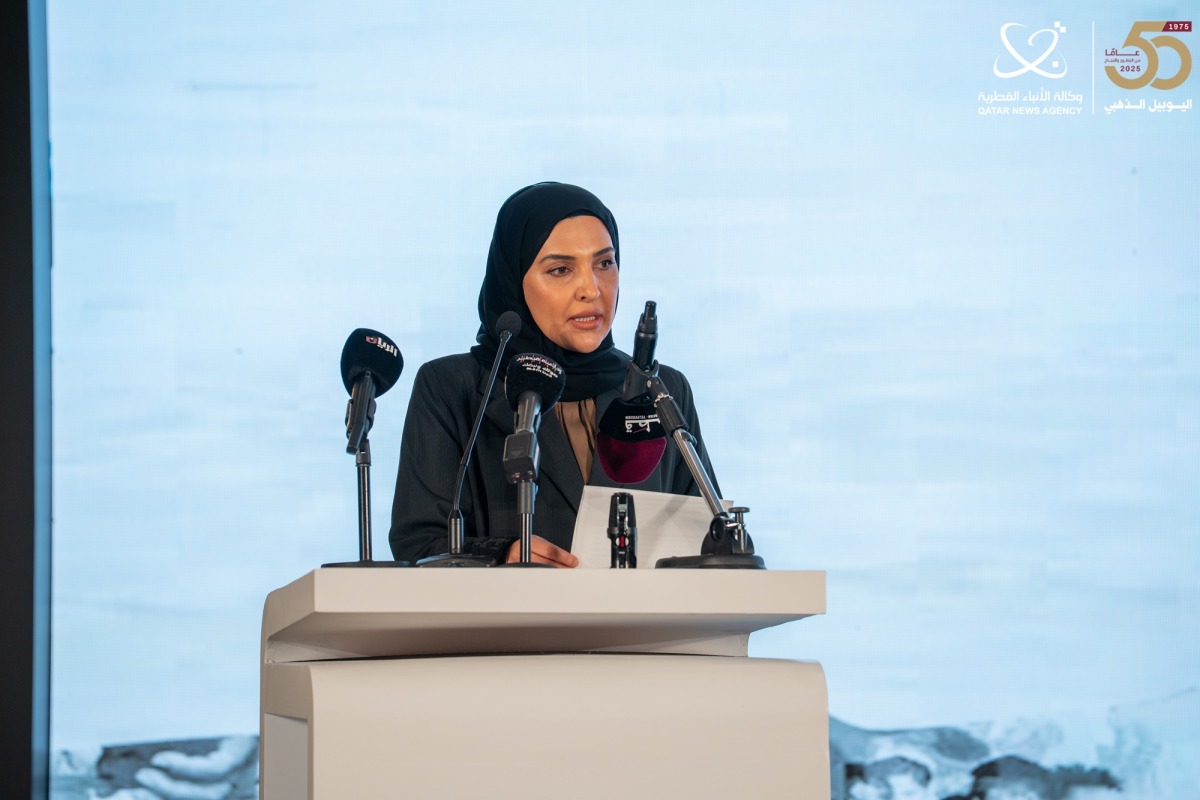
NHRC Chairperson, Her Excellency Maryam bint Abdullah Al Attiyah, emphasized the importance of the anniversary as a moment to renew Qatar’s pledge to building a global community rooted in inclusivity and respect. She described racial discrimination as a significant threat to fundamental human rights and societal harmony. According to Al Attiyah, the principles of equality and non-discrimination are firmly embedded within Qatar’s constitution and serve as guiding tenets of its National Vision 2030.
Al Attiyah further advocated for the enactment of a comprehensive anti-discrimination law and the establishment of a dedicated national entity to proactively address and combat racism. She believes these measures would significantly strengthen Qatar’s legal and institutional framework in safeguarding against discriminatory practices. Additionally, she reiterated Qatar’s support for the Durban Declaration and Programme of Action, a key international framework for combating racism.
The event also addressed the urgent need to condemn racial violence occurring in conflict zones, specifically citing the situations in Gaza and the Darfur region of Sudan. These instances, participants noted, represent stark reminders of the devastating consequences of unchecked prejudice and discrimination.
National Efforts to Promote Equality
Her Excellency Sarah Al Saadi, Acting Director of the Human Rights Department at the Ministry of Foreign Affairs, stated that Qatar prioritizes the promotion of equality across all sectors. However, she stressed that effectively combating discrimination requires a collective effort from all members of society. The ministry has implemented national programs designed to raise awareness about the harms of discrimination and to provide training to government officials on upholding human rights standards.
Representatives from the UN Human Rights Training and Documentation Centre acknowledged Qatar’s constructive engagement with international human rights institutions. They also praised the country’s efforts to integrate equality principles into its education system, labor practices, and the delivery of public services. These initiatives are seen as crucial steps towards fostering a more inclusive and equitable society.
Global Challenges and the Role of the UN
Dr. Sheikha bint Abdullah Al Misnad, a member of the UN Committee on the Elimination of Racial Discrimination, explained the committee’s mandate, which includes reviewing state reports, issuing recommendations, and providing early warning mechanisms to address emerging cases of racism. She emphasized that eradicating discrimination necessitates not only policy reforms but also fundamental shifts in societal attitudes and perceptions. The committee’s work is vital in holding states accountable to their obligations under the convention.
Experts representing various Qatari ministries – including Foreign Affairs, Interior, and Labor – as well as academics and NHRC officials, detailed specific measures undertaken to mitigate discrimination in areas such as law enforcement, employment, and access to services. These presentations highlighted the multi-faceted approach Qatar is taking to address this complex issue.
The event concluded with an open forum for discussion among national and international attendees, resulting in a set of recommendations aimed at bolstering anti-racism frameworks both within Qatar and on a global scale. These recommendations will be considered by relevant stakeholders as they refine their strategies for combating discrimination. The topic of ICERD implementation remains an area of ongoing scrutiny and development.
Looking ahead, the NHRC is expected to present a detailed report outlining the recommendations from the seminar to the government within the next quarter. Further advancements in national legislation addressing racial discrimination are anticipated, along with continued cooperation with international organizations to promote human rights and equality worldwide. The success of these efforts will be a key indicator of Qatar’s long-term commitment to building a just and inclusive society.
The ongoing monitoring of Qatar’s progress by the UN Committee on the Elimination of Racial Discrimination will also be crucial. Future reports and recommendations from the committee will provide valuable insights into the effectiveness of Qatar’s anti-discrimination measures and identify areas for further improvement. Further information on the ICERD can be found on the OHCHR website.
Related secondary keywords include: human rights, international law, and equality.