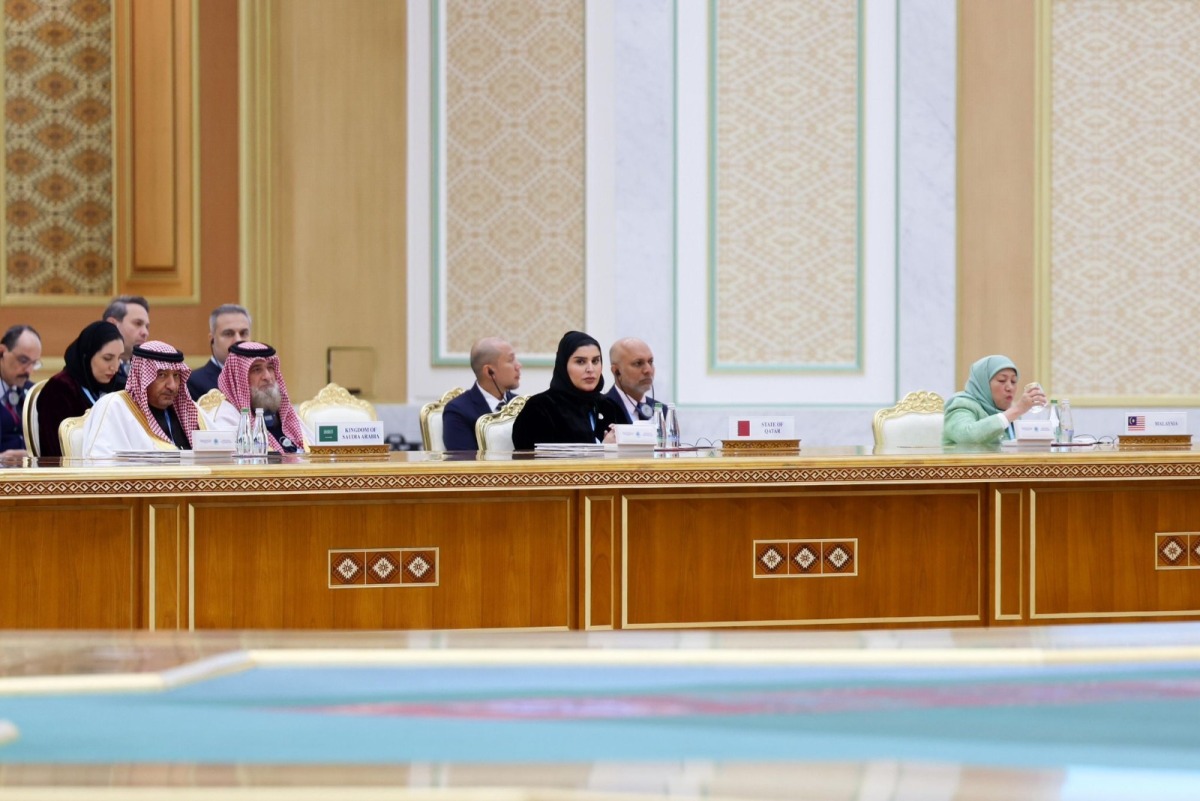

Ashgabat, Turkmenistan – The State of Qatar actively participated in a high-level international forum commemorating the International Year of Peace and Trust and the 30th Anniversary of Turkmenistan’s Permanent Neutrality. The event, held Friday in the Turkmen capital, brought together representatives from numerous nations to discuss global peace initiatives and the role of neutrality in international relations. Qatar’s presence underscores its commitment to multilateral diplomacy and fostering international cooperation for a more stable world order.
The forum featured discussions on conflict prevention, sustainable development, and the strengthening of trust-building measures between states. Minister of State for International Cooperation, HE Maryam bint Ali bin Nasser Al Misnad, led the Qatari delegation, emphasizing the nation’s dedication to peaceful resolutions and its support for the United Nations’ efforts in maintaining global security. The event also included a ceremonial laying of flowers at the Neutrality Tower in Ashgabat.
Qatar’s Role in Promoting International Cooperation
Qatar has consistently advocated for dialogue and diplomacy as primary tools for resolving international disputes. This participation in the Ashgabat forum aligns with Qatar’s long-standing policy of constructive engagement in global affairs, particularly within the framework of the United Nations. The country has previously hosted and supported numerous peace talks and mediation efforts, demonstrating its proactive stance on conflict resolution.
Turkmenistan’s permanent neutrality, recognized by the UN in 1995, provides a unique platform for fostering dialogue and building trust. This status allows Turkmenistan to act as a neutral intermediary in regional and international conflicts, offering a space for parties to engage in constructive negotiations. The 30th anniversary celebration highlights the significance of this policy and its potential for wider adoption.
The Significance of Turkmenistan’s Neutrality
Permanent neutrality, as practiced by Turkmenistan, involves abstaining from participation in military alliances and maintaining equal relations with all states. This approach, according to the Turkmen government, contributes to regional stability and prevents the escalation of conflicts. However, critics argue that neutrality can sometimes hinder a nation’s ability to respond effectively to threats or to take a firm stance on human rights issues.
The forum provided an opportunity for participating nations to share their experiences and perspectives on neutrality and its impact on peacebuilding. Discussions likely centered on the challenges and benefits of maintaining a neutral stance in a complex geopolitical landscape. The event also served as a reminder of the importance of upholding the principles of the UN Charter and promoting a rules-based international order.
Qatar’s involvement in the ceremony at the Neutrality Tower symbolized its respect for Turkmenistan’s foreign policy and its commitment to the ideals of peace and neutrality. The tower itself is a prominent landmark in Ashgabat, representing the country’s dedication to these principles. It stands as a physical embodiment of Turkmenistan’s commitment to avoiding involvement in international conflicts.
The broader context of this forum is the ongoing need for enhanced diplomatic efforts in a world facing numerous challenges, including regional conflicts, terrorism, and climate change. The international community is increasingly recognizing the importance of preventative diplomacy and the need to address the root causes of conflict. Qatar’s participation signals its willingness to contribute to these efforts.
Looking ahead, the outcomes of the Ashgabat forum are expected to inform future discussions on peace and security at the United Nations and other international organizations. The extent to which the principles of neutrality and trust-building are integrated into global policy remains to be seen, and will likely depend on evolving geopolitical dynamics. Further observation of Qatar’s continued engagement in these initiatives will be crucial in assessing its long-term impact.
The United Nations designated 2024 as the International Year of Peace and Trust, aiming to amplify the importance of these values in achieving sustainable peace. The forum in Ashgabat represents one of many events planned throughout the year to promote these goals.