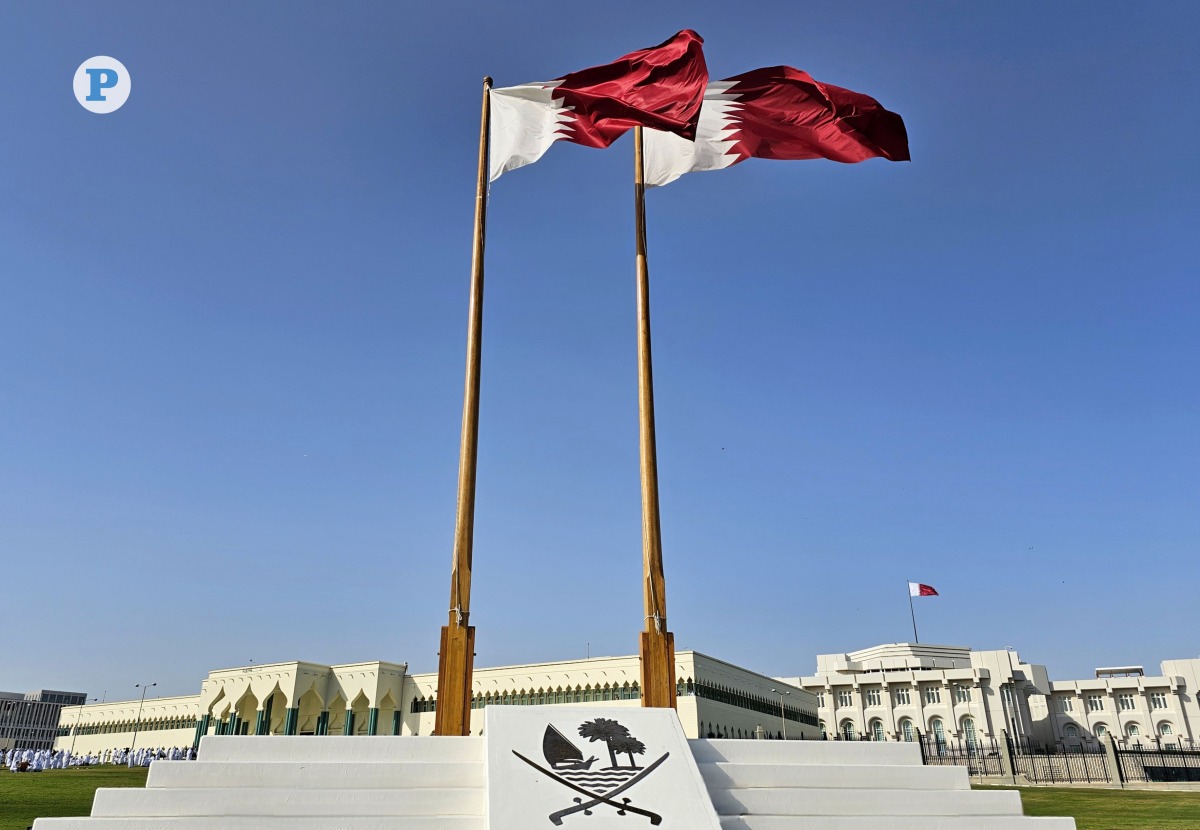

Doha, Qatar – Qatar is actively involved in diplomatic efforts to facilitate the reopening of the Rafah border crossing and increase the flow of humanitarian aid into Gaza, according to a statement from the Ministry of Foreign Affairs. The ongoing negotiations aim to secure a second phase of a potential ceasefire in the region, building on previous agreements. These discussions highlight Qatar’s continued role as a key mediator in the Israeli-Palestinian conflict.
Dr. Majed Al Ansari, Advisor to the Prime Minister and Official Spokesperson for the Ministry of Foreign Affairs, announced the country’s engagement during a press conference on January 6, 2026. He stated that Qatar is working closely with international partners to address logistical and political hurdles preventing consistent aid delivery to the Gaza Strip. The situation remains highly volatile, and success hinges on the cooperation of all parties.
Qatar’s Push for a Gaza Ceasefire and Aid Access
Qatar’s diplomatic push centers on achieving a more sustainable ceasefire and ensuring unimpeded humanitarian access to Gaza. This follows periods of conflict and mediated pauses that have offered limited relief to the civilian population. The current efforts are particularly focused on the Rafah crossing, which has been a critical entry point for aid but has faced frequent closures and restrictions.
According to Al Jazeera, Dr. Al Ansari emphasized Qatar’s firm stance against the politicization of humanitarian assistance. He asserted that aid should be delivered based on need, not used as leverage in ongoing negotiations. This principle underscores Qatar’s commitment to alleviating the suffering of civilians in Gaza.
The Importance of Rafah Crossing
The Rafah crossing connects Gaza to Egypt and, crucially, to the outside world. Its closure severely restricts the movement of essential supplies, including food, medicine, and fuel. The United Nations and other aid organizations have repeatedly warned of the dire humanitarian consequences of limited access through Rafah.
Currently, aid deliveries are significantly below pre-conflict levels, and the population faces widespread shortages. The report indicates that Qatar is advocating for a mechanism to ensure a predictable and sufficient flow of aid, independent of the fluctuating security situation. This includes streamlining customs procedures and guaranteeing the safety of aid workers.
Mediation Efforts and Regional Dynamics
Qatar has historically played a significant mediating role in the Israeli-Palestinian conflict, maintaining lines of communication with both sides. This position allows Qatar to facilitate dialogue and propose solutions acceptable to all parties. However, the complexity of the situation and the involvement of multiple actors present considerable challenges.
Additionally, the broader regional context influences the negotiations. The involvement of Egypt, the United States, and other international stakeholders is crucial for achieving a lasting resolution. Qatar is coordinating its efforts with these partners to create a unified approach to the crisis. The ongoing conflict in the region has also led to increased discussions about long-term security arrangements and a potential two-state solution.
The current focus is on securing an extended ceasefire that allows for the release of hostages held by Hamas and the resumption of more substantial aid deliveries. Negotiations are reportedly addressing the terms of a phased withdrawal of Israeli forces and the establishment of a monitoring mechanism to prevent a recurrence of violence. The success of these talks will depend on the willingness of both sides to compromise.
While a definitive timeline remains unclear, Qatar hopes to see progress towards a second phase of the ceasefire within the coming weeks. The primary obstacle continues to be reaching an agreement on the terms of a lasting cessation of hostilities and ensuring the security of all parties involved. Observers will be closely watching for any breakthroughs in the negotiations and the potential for increased humanitarian access to Gaza, as well as the broader implications for regional stability and the pursuit of a lasting peace.
The situation is further complicated by the ongoing discussions surrounding post-conflict reconstruction and governance in Gaza. Qatar has previously pledged significant financial assistance for reconstruction efforts, but the delivery of these funds is contingent on a stable security environment and a clear plan for sustainable development. The international community is also debating the role of various actors in the future governance of the territory, a key factor in preventing a return to violence and fostering long-term stability. The need for a comprehensive approach addressing both immediate humanitarian needs and long-term political solutions remains paramount.
Al Jazeera continues to provide comprehensive coverage of the situation, and updates from the Qatari Ministry of Foreign Affairs are expected as negotiations progress. The focus on humanitarian aid and a durable ceasefire underscores the urgency of the crisis and the international community’s commitment to finding a resolution. The potential for escalation remains a significant concern, and continued diplomatic efforts are essential to prevent further loss of life and suffering.