
Qatar continues to play a central role in diplomatic efforts to secure a lasting ceasefire in the Gaza Strip, alongside Egypt, Turkey, and the United States. Officials reaffirmed the nation’s commitment to the implementation of the agreement’s second phase, focusing on reopening the Rafah crossing and ensuring the unimpeded delivery of vital humanitarian aid to Palestinians. These efforts come amid ongoing negotiations and persistent obstacles to a full resolution.
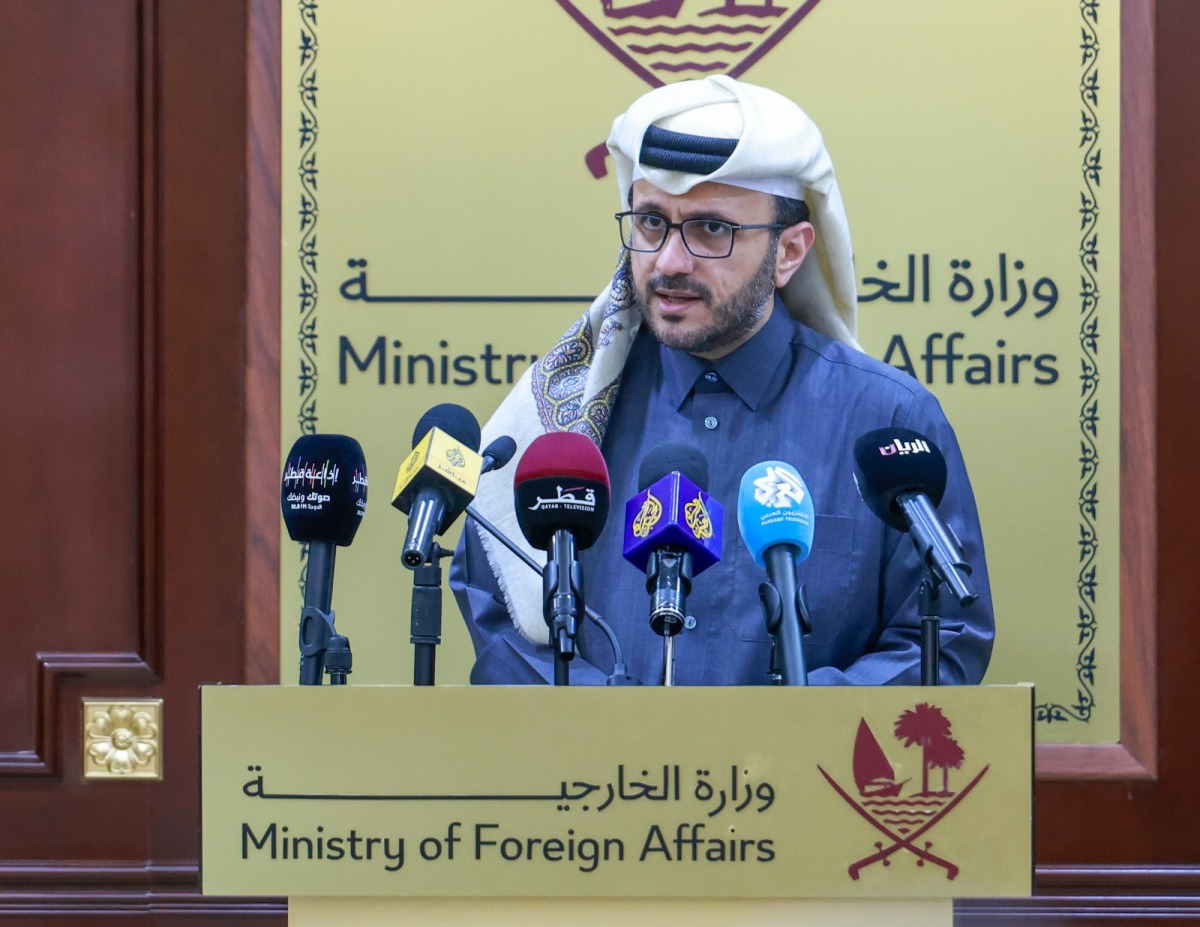
During a weekly media briefing on Tuesday, Dr. Majid bin Mohammed Al Ansari, Advisor to the Prime Minister and Official Spokesperson for the Ministry of Foreign Affairs, detailed Qatar’s ongoing engagement in multiple regional issues, from Yemen and Venezuela to Sudan and escalating tensions in the Middle East. The ministry emphasized its dedication to peaceful resolutions and humanitarian assistance.
Qatar’s Role in the Gaza Ceasefire Negotiations
Negotiations for the second phase of the ceasefire agreement are ongoing, but face challenges, according to Dr. Al Ansari. While agreements have been reached on some points, obstacles remain under discussion. Qatar has consistently maintained that humanitarian aid should not be leveraged as a political tool in any conflict, a principle it is actively upholding in the current situation. The focus remains on establishing a sustainable framework for aid delivery and a lasting cessation of hostilities.
Regional Stability and De-escalation
Beyond Gaza, Qatar is actively involved in de-escalation efforts across the region. Regarding recent events in Venezuela, the ministry reiterated its call for restraint, dialogue, and adherence to international law. Qatar supports any initiatives aimed at a peaceful resolution to the crisis, emphasizing the importance of resolving disputes through diplomatic channels. This stance reflects Qatar’s broader commitment to regional stability and peaceful conflict resolution.
The situation in Sudan was described as the largest humanitarian catastrophe of the year, prompting Qatar to urge all parties to prioritize resolving the crisis and facilitating humanitarian access, particularly to conflict zones. Qatar continues to communicate with various Sudanese factions and provide aid, ensuring it remains impartial and does not support any political or military agenda. The ongoing conflict has created a dire humanitarian situation, requiring urgent international attention.
Yemen Peace Process and GCC Coordination
Qatar welcomed the efforts of the Yemeni government to advance the Yemeni-Yemeni dialogue process, specifically praising the invitation to a conference in Riyadh hosted by Saudi Arabia. The ministry stressed the importance of inclusive participation from all Yemeni political components, including those representing the southern region, in the Riyadh conference. Qatar values Saudi Arabia’s support for this dialogue, viewing it as a crucial step towards a comprehensive political settlement.
Additionally, Dr. Al Ansari highlighted coordination among Gulf Cooperation Council (GCC) countries to support Yemen in reaching a settlement and de-escalating the conflict. He noted the strong existing relationships within the GCC, suggesting a unified approach to regional challenges. Qatar continues to provide aid to Yemen through UN agencies and in collaboration with its regional partners, while also supporting broader international efforts.
Concerning escalating tensions involving Iran, Qatar emphasized that any regional escalation poses a threat not only to stability but also to international peace and security. Doha maintains open communication channels with both Tehran and Washington, advocating for dialogue to prevent further escalation. The ministry believes there is still room for diplomatic solutions to address the underlying issues.
Recent diplomatic activity includes a meeting between Prime Minister and Minister of Foreign Affairs Sheikh Mohammed bin Abdulrahman bin Jassim Al-Thani and a delegation of US Congress members, where they discussed strengthening strategic relations and regional developments, particularly in Gaza. Minister of State for International Cooperation Dr. Maryam bint Ali bin Nasser Al Misnad also participated in the opening of the Republic of Cyprus presidency of the Council of the European Union, exploring bilateral cooperation opportunities.
Looking ahead, the successful implementation of the second phase of the Gaza ceasefire remains the immediate priority. The timeline for achieving this, however, is uncertain and dependent on overcoming the remaining obstacles in negotiations. Continued diplomatic engagement by Qatar and its partners will be crucial in the coming weeks to secure a lasting resolution and prevent further escalation in the region. The international community will be watching closely for progress on both the humanitarian front and the broader political settlement.
Source: The Peninsula Qatar
Source: Ministry of Foreign Affairs Qatar