
Doha, Qatar – Qatar continues to play a central role in diplomatic efforts to maintain the fragile ceasefire in the Gaza Strip, actively monitoring implementation and working to address reported violations. The State of Qatar is coordinating closely with regional and international partners, including the United States, to prevent a collapse of the agreement and push for a second phase of negotiations. These efforts come as tensions remain high and the humanitarian situation in Gaza remains dire.
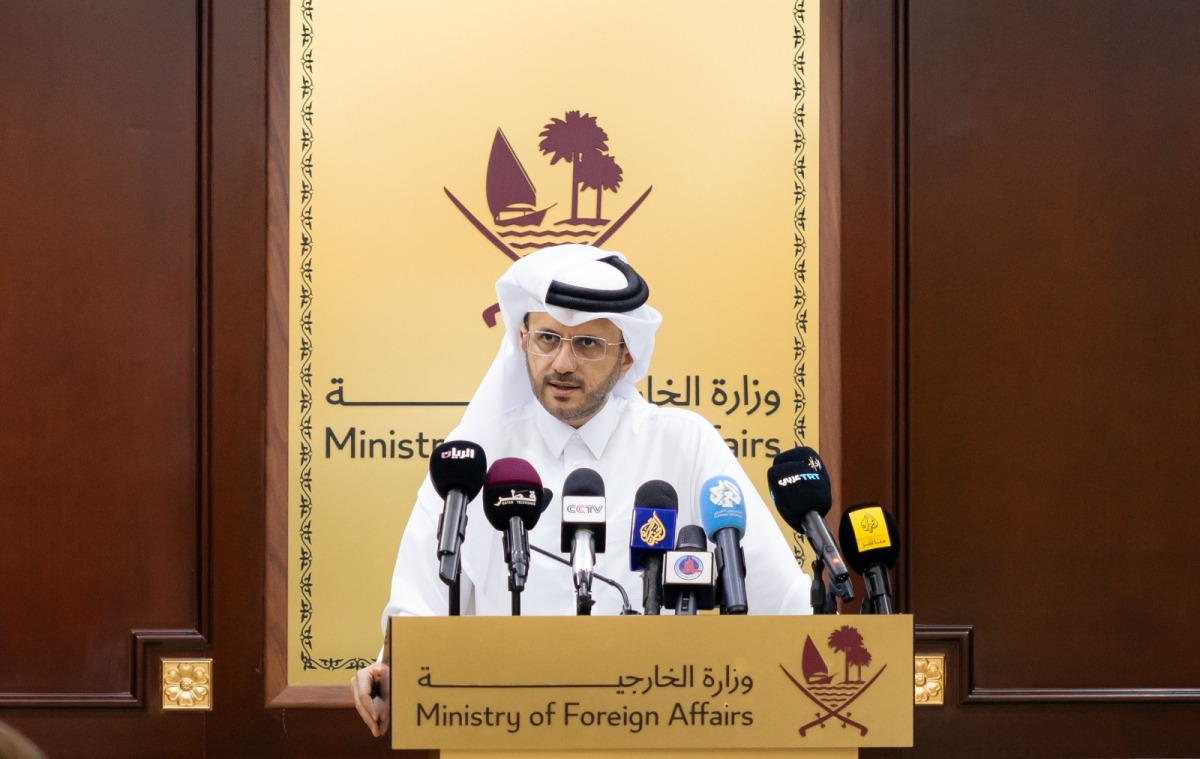
During a weekly media briefing, Dr. Majed Mohammed Al Ansari, Advisor to the Prime Minister and Official Spokesperson for the Ministry of Foreign Affairs, emphasized Qatar’s commitment to the ongoing truce and its concern over breaches. He stated that the current ceasefire, while imperfect, represents the longest period of calm since the start of the conflict between Israel and Hamas.
Qatar’s Intensive Efforts to Secure the Gaza Ceasefire
According to the Ministry of Foreign Affairs, Qatar is actively monitoring the ceasefire through a Joint Monitoring Room in Cairo. This collaborative effort involves various mediation partners and aims to ensure adherence to the terms of the agreement. Dr. Al Ansari noted that reported violations are being taken seriously and are being shared with all relevant parties.
Addressing Ceasefire Violations
The Qatari government views any violation of the truce as a threat not only to the immediate stability of Gaza but also to broader regional peace. The ministry has expressed its concerns to its partners and is working to de-escalate tensions. However, the situation remains delicate, and the possibility of renewed conflict remains a significant concern.
Progress Towards a Second Phase
While no new developments regarding a second phase of the agreement were announced, communications between the parties are ongoing at multiple levels. Dr. Al Ansari highlighted recent statements from US officials expressing support for extending the ceasefire, indicating a shared interest in de-escalation. Qatar is confident in the US President’s plan and the American position supporting the truce.
Beyond the Gaza conflict, Qatar is also engaged in other significant diplomatic initiatives. The country played a mediating role in recent tensions between Venezuela and the United States, facilitating the exchange of hostages. Qatar has consistently advocated for dialogue and peaceful resolutions to international disputes, offering its assistance to facilitate communication between conflicting parties. This commitment to diplomacy extends to the Russia-Ukraine crisis, where Qatar has supported global mediation efforts and successfully reunited over 115 children with their families.
Meanwhile, preparations are underway for the 46th Gulf Cooperation Council (GCC) Summit in Manama, Bahrain. The summit is expected to address a wide range of regional issues, building on the GCC states’ substantial roles in addressing crises both within and beyond the region. A recent Joint Gulf Defense Council meeting underscored the heightened security challenges facing the region, further emphasizing the importance of this gathering. Qatar’s Minister of State for Foreign Affairs recently participated in preparatory meetings for the summit in Bahrain.
The Ministry of Foreign Affairs also addressed the safety of journalists covering the conflict in Gaza, condemning the targeting of media workers. Qatar, along with its international partners, continues to call for the protection of press freedom and the prevention of direct attacks on journalists. This highlights the importance of transparency and accountability in conflict zones.
Looking ahead, the focus remains on solidifying the current ceasefire in Gaza and advancing towards a second phase of the agreement. The success of these efforts will depend on the continued commitment of all parties to de-escalation and dialogue. The international community will be closely watching for further developments and assessing the potential for a more sustainable resolution to the conflict. The next few days will be critical in determining whether the current truce can be extended and expanded to address the underlying causes of the conflict.