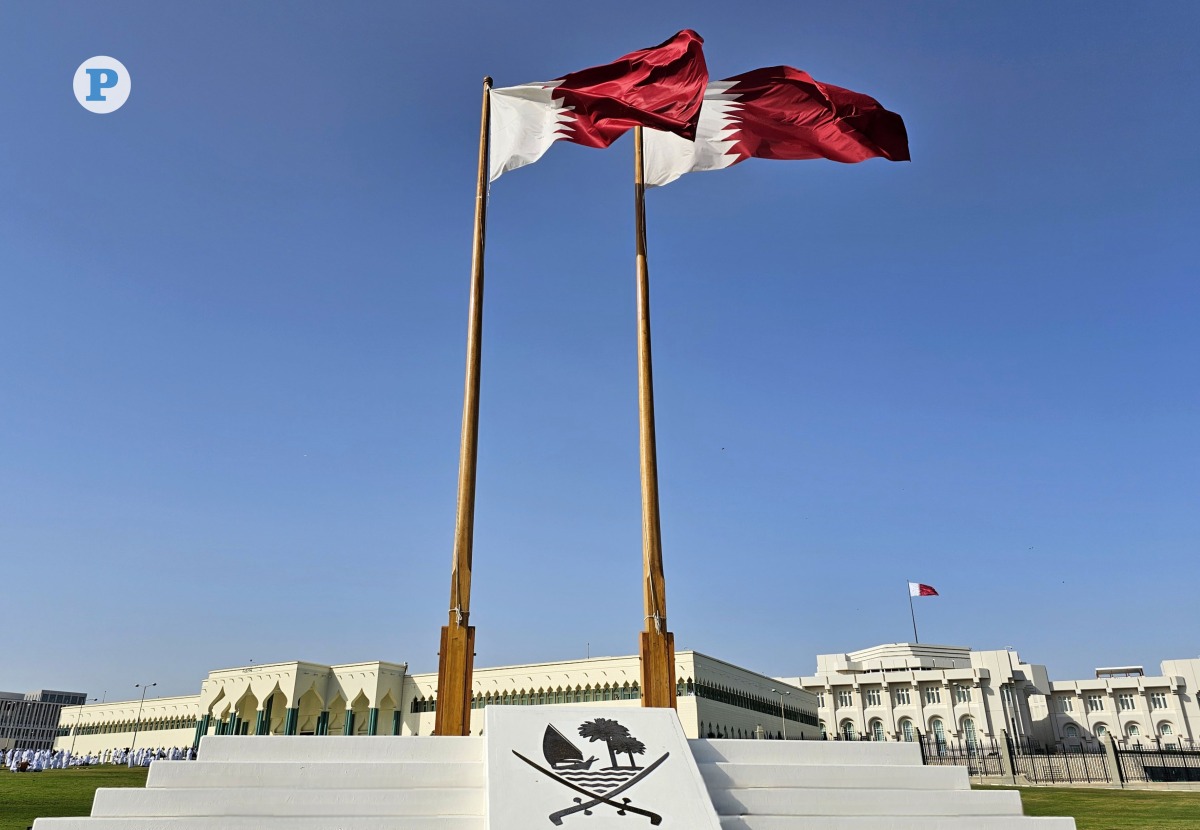

The State of Qatar has strongly condemned recent violent attacks in Balochistan province, Pakistan, expressing solidarity with the nation following the deadly incidents. The Qatar condemnation, issued Saturday, underscores the country’s consistent stance against all forms of violence and terrorism. The attacks, which occurred on October 12, 2024, resulted in multiple fatalities and injuries, prompting international responses.
Qatar’s Ministry of Foreign Affairs released a statement reiterating its firm rejection of violence, terrorism, and criminal acts, irrespective of motivation. The statement extended sincere condolences to the families of the victims and wished a swift recovery to those injured in the attacks. This response highlights Qatar’s commitment to regional stability and its opposition to extremism.
Qatar’s Response to the Balochistan Attacks
The Qatar condemnation comes amidst heightened security concerns in Balochistan, a region in southwestern Pakistan that has experienced ongoing unrest for years. The province borders Afghanistan and Iran, and has been a focal point for separatist movements and militant groups. According to reports, the attacks targeted security forces, though specific details remain fluid.
Regional Implications and Pakistan’s Security Situation
The Balochistan region has long faced challenges related to economic development and political marginalization, contributing to the grievances exploited by extremist groups. Pakistan’s military has conducted numerous operations in the province aimed at suppressing insurgency, but violence persists. The recent attacks raise concerns about a potential escalation of conflict ahead of upcoming elections.
Additionally, the timing of the attacks is significant, occurring shortly before a planned visit by a delegation from the International Monetary Fund (IMF) to discuss a new loan program for Pakistan. The security situation could potentially impact investor confidence and economic stability. Pakistan is currently navigating a challenging economic landscape, and maintaining internal security is crucial for attracting foreign investment.
Qatar’s Foreign Policy and Counter-Terrorism Efforts
Qatar has consistently advocated for peaceful resolutions to regional conflicts and actively participates in international counter-terrorism efforts. The country has been a key mediator in various disputes and has emphasized the importance of dialogue and diplomacy. However, Qatar also maintains strategic relationships with various actors in the region, balancing its commitment to stability with its own national interests.
In contrast to some regional powers, Qatar has generally pursued a policy of engagement with diverse groups, including those with differing political ideologies. This approach has been criticized by some, but Qatar maintains it is necessary for fostering dialogue and preventing further radicalization. The Ministry of Foreign Affairs statement reflects this broader policy of rejecting violence regardless of its source.
The Qatar condemnation aligns with its broader stance on terrorism, as demonstrated by its participation in the Global Coalition to Defeat ISIS and its support for international initiatives aimed at combating terrorist financing. Qatar has also implemented stricter domestic laws to counter terrorism and money laundering, according to government reports. This commitment to security is often highlighted in diplomatic engagements.
The attacks in Balochistan also underscore the broader issue of cross-border terrorism in the region. Pakistan has repeatedly accused Afghanistan of harboring militants who launch attacks within its territory, a claim that the Afghan Taliban government denies. The situation requires coordinated efforts from regional and international stakeholders to address the root causes of instability and prevent further violence. The Qatar condemnation serves as a signal of its concern regarding regional security.
Looking ahead, the Pakistani government is expected to launch a thorough investigation into the attacks and implement measures to enhance security in Balochistan. The outcome of the IMF negotiations will also be closely watched, as will the political climate leading up to the elections. Further developments in the region, and any potential diplomatic initiatives from Qatar, will be key indicators of the evolving situation. The long-term impact of these events on Pakistan’s stability and regional security remains uncertain.