
Doha, Qatar – Katara Cultural Village served as a central hub for celebrations surrounding the FIFA Arab Cup Qatar 2025, further solidifying its position as a leading cultural destination in the region. Throughout December, Katara hosted over 45 events blending sports, art, and heritage, attracting both football fans and culture enthusiasts. The village’s diverse programming throughout 2025 consistently highlights Qatar’s commitment to cultural diplomacy and the promotion of artistic expression.
The extensive program of events at Katara in December was designed to complement the football tournament, offering a rich cultural experience for visitors. Activities included live performances, art exhibitions, and fan zones, transforming the village into a vibrant and engaging space for all. This builds on Katara’s year-round dedication to showcasing both Qatari traditions and international artistry.
Katara’s Role in the Arab Cup 2025 Festivities
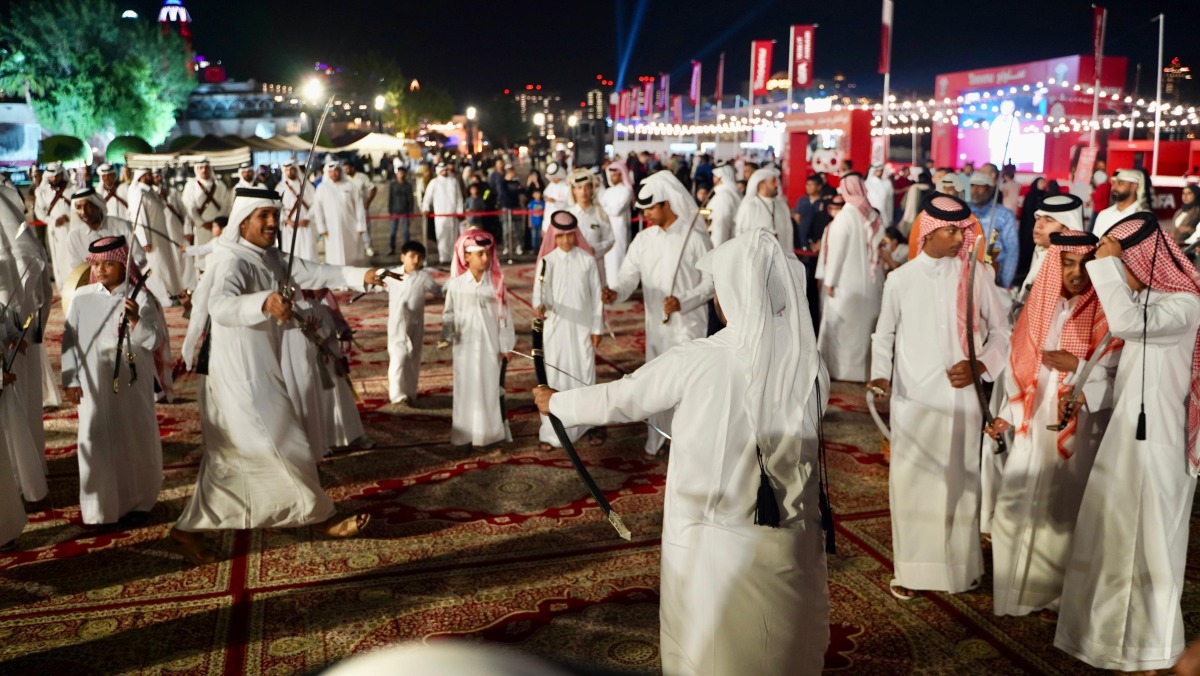
The FIFA Arab Cup 2025 provided a significant opportunity for Katara to demonstrate its capacity for large-scale cultural events. From December 1st to 18th, the Corniche area featured daily theatrical performances, live music, and folk dance troupes, all celebrating Arab identity and diversity. Al Hikma Square became a popular gathering spot with large-screen match viewings in a dedicated fan zone.
A Year of Cultural Highlights
The Arab Cup celebrations were the culmination of a busy year for Katara, which consistently hosts events throughout the calendar. The year began with the Katara Oud Festival in January, a celebration of the traditional Arabic instrument featuring performances and workshops. This event drew music lovers from across the region, showcasing the importance of the oud in Arab musical heritage.
During the holy month of Ramadan, Katara offered a program focused on family participation and religious reflection. This included religious lectures at the Katara Mosque, the Holy Quran Memorisation Competition, and the traditional Al-Musahar walk. Sporting competitions and a crafts market added to the festive atmosphere.
Eid al-Adha in June was marked with fireworks, street art, folk performances, and traditional cuisine along the Katara Corniche. These celebrations are a key part of Katara’s mission to preserve and promote Qatari traditions.
The summer months saw the Qatar Fine Arts Society host its Summer 2025 Fine Art Exhibition, displaying over 70 works. This exhibition provided a platform for local artists to showcase their talent and contribute to the country’s growing art scene. Additionally, Katara hosted the Qatar International Arts Festival in December, themed “Sustainability and Innovation in Art,” featuring over 450 artists from 70 countries.
Beyond visual and performing arts, Katara also hosted the inaugural Doha Tattoo International Military Music Festival in December. This unique event brought military bands and marching performances from around the world, adding another dimension to the village’s diverse cultural offerings. The festival highlighted Qatar’s openness to international collaboration and its ability to host events of global significance.
The village’s commitment to cultural exchange is a key component of Qatar National Vision 2030, which aims to diversify the economy and promote a knowledge-based society. Qatar National Vision 2030 emphasizes the importance of investing in the creative industries and showcasing Qatar’s cultural identity on the world stage.
Looking ahead, Katara is expected to continue its role as a cultural leader in Qatar, with plans for further events and initiatives throughout 2026. The success of the Arab Cup celebrations demonstrates the village’s capacity to host major international events, and future programming will likely build on this momentum. Ongoing investment in the arts and cultural infrastructure will be crucial to maintaining Katara’s position as a regional hub for cultural experiences and tourism.
Further details regarding specific events and long-term development plans for Katara are anticipated to be released by the Ministry of Culture in the coming months. The continued growth of Katara will likely be influenced by broader economic trends and the evolving landscape of arts and culture in the region.