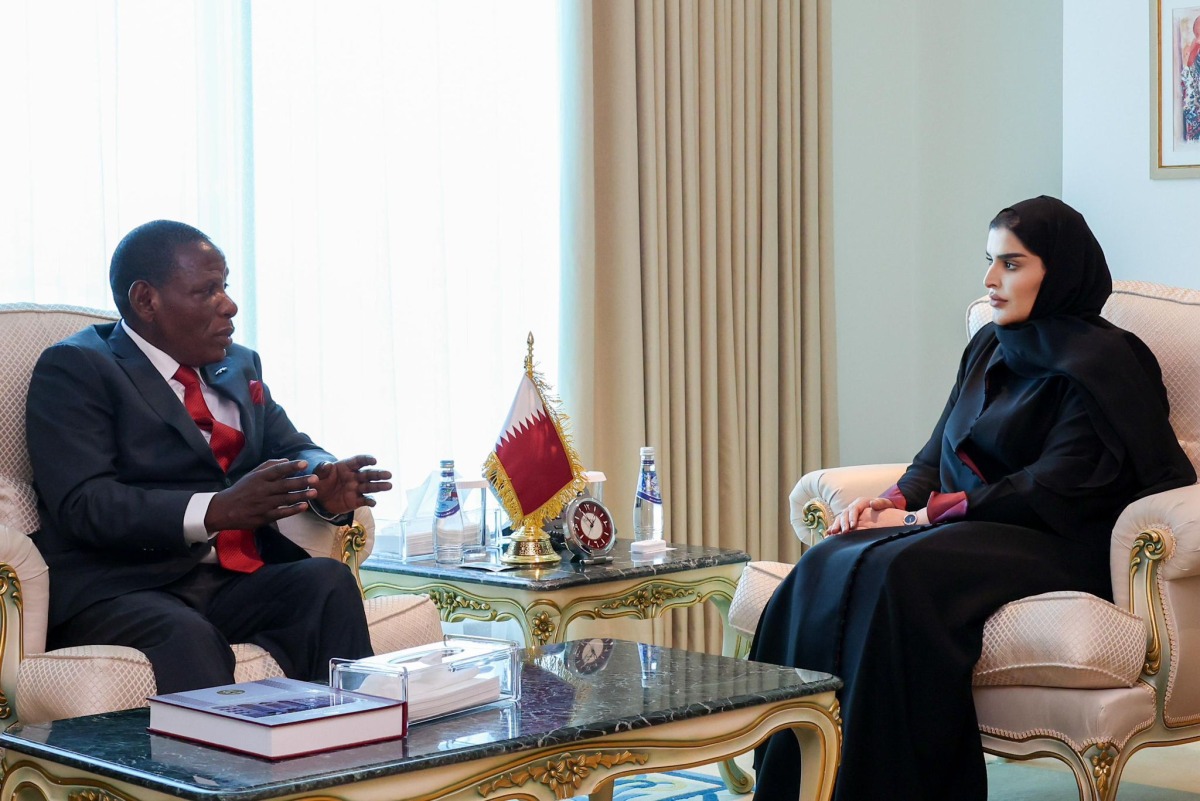

Doha, Qatar – Discussions focused on strengthening Qatar-Malawi relations took place this week as Minister of State for International Cooperation, HE Dr. Maryam bint Ali bin Nasser Al Misnad, met with Malawi’s Minister of Finance, Economic Planning and Development, HE Joseph Mwanamvekha, during his official visit to Doha. The meeting, held on December 22, 2023, centered on exploring opportunities for increased collaboration between the two nations, particularly in areas crucial for Malawi’s economic growth. Both countries expressed a commitment to fostering a more robust partnership.
The talks, which occurred in Doha, involved a review of existing bilateral ties and a detailed examination of potential avenues for enhanced cooperation. According to a statement from the Qatari Ministry of State for International Cooperation, key areas of focus included economic planning, sustainable development initiatives, and capacity building programs designed to support Malawi’s long-term objectives. The ministers also addressed a variety of issues of mutual concern.
Expanding Qatar’s Role in African Economic Development
Qatar has been steadily increasing its engagement with African nations, viewing the continent as a significant area for investment and strategic partnership. This meeting with Malawi represents a continuation of this trend, aligning with Qatar’s broader foreign policy goals of promoting international cooperation and supporting developing economies. The focus on economic planning suggests Qatar may be interested in sharing its expertise in areas like infrastructure development and diversification of revenue streams.
Areas of Potential Collaboration
Several specific areas were identified as holding promise for future collaboration. Sustainable development, a key pillar of Qatar’s National Vision 2030, was highlighted as a priority, potentially involving joint projects in renewable energy, environmental conservation, and responsible resource management. Capacity building initiatives could encompass training programs for Malawian professionals in fields such as finance, education, and healthcare.
Additionally, the discussion likely touched upon potential Qatari investment in Malawi’s agricultural sector, a vital component of the Malawian economy. Malawi is a major producer of tobacco and tea, but faces challenges in diversifying its agricultural exports and improving food security. Qatar’s sovereign wealth fund, the Qatar Investment Authority, has a history of investing in diverse sectors globally, and Malawi could present new opportunities.
However, the specifics of any potential investment or projects remain undisclosed at this time. The meeting served primarily as a platform for initial discussions and establishing a framework for future negotiations. The ministers reportedly agreed on the importance of continued dialogue to identify concrete areas for collaboration.
The Republic of Malawi, a landlocked country in southeastern Africa, has been actively seeking international partners to support its economic development plans. The country faces significant challenges, including poverty, limited infrastructure, and vulnerability to climate change. Increased foreign aid and investment are crucial for Malawi to achieve its sustainable development goals.
Qatar’s involvement could also contribute to Malawi’s efforts to improve its economic diversification, reducing its reliance on traditional agricultural exports. This aligns with international development best practices that emphasize building resilient and diversified economies. The Ministry of Finance, Economic Planning and Development in Malawi is currently working on a new national development plan, and input from experienced partners like Qatar could be valuable.
The outcome of this meeting is expected to lead to further technical-level discussions between Qatari and Malawian officials in the coming months. These discussions will likely focus on developing detailed project proposals and identifying specific funding mechanisms. While no firm commitments were made during the ministerial meeting, the positive tone and expressed willingness to cooperate suggest a promising outlook for bilateral trade and investment.
Looking ahead, the progress of these discussions will be a key indicator of the strength of the emerging partnership. It remains to be seen whether concrete projects will materialize and what impact they will have on Malawi’s economic development. Observers will be watching for announcements regarding specific investment plans or aid packages in early 2024.