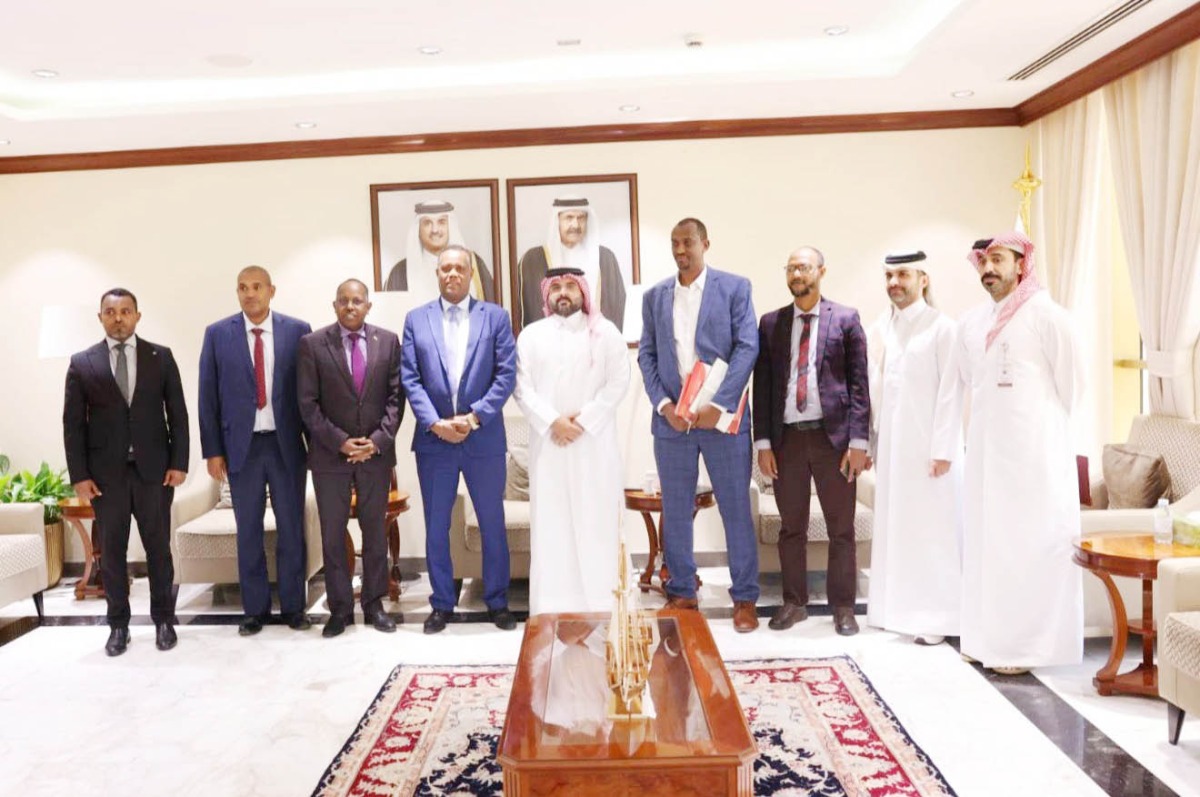

Qatar and Ethiopia are exploring increased collaboration in the agricultural sector, with a particular focus on livestock and fisheries resources. This development follows a meeting between Qatar’s Undersecretary of the Ministry of Municipality, H.E. Ali bin Mohammed Al-Ali, and Ethiopia’s State Minister for Livestock and Fisheries Resources, H.E. Dr. Fikru Regassa, held recently. Discussions centered on identifying opportunities for mutual benefit and bolstering ties between the two nations in key areas of food security.
The meeting, which took place at the Ministry of Municipality in Qatar, signifies a growing interest in strengthening economic partnerships with African countries. Both parties reportedly expressed a commitment to advancing cooperation, though specific details of potential projects were not immediately disclosed. This initiative aims to support Qatar’s food security goals and contribute to the development of Ethiopia’s agricultural capabilities.
Strengthening Qatar-Ethiopia Collaboration in Livestock Production
Qatar has been actively seeking to diversify its food sources and reduce reliance on imports, particularly in the wake of regional political shifts. Ethiopia, possessing substantial livestock resources, presents a compelling opportunity for collaboration. The country is estimated to have one of the largest livestock populations in Africa, including cattle, sheep, and goats.
According to the Ministry of Agriculture of Ethiopia, the nation’s livestock sector plays a crucial role in its economy, providing livelihoods for a significant portion of the population. However, this sector often faces challenges related to infrastructure, animal health management, and access to international markets. Cooperation with Qatar could potentially address these issues through investment and knowledge transfer.
Potential Areas of Focus
The partnership is expected to explore several avenues for development. These may include joint ventures in livestock farming, the establishment of modern slaughterhouses and processing facilities, and the implementation of advanced animal breeding programs. Supply chain improvements and enhanced veterinary services are likely to be key components of the collaborative efforts.
Beyond livestock, the discussions also extended to fisheries resources, another area of strategic importance for Qatar’s food security. Ethiopia, despite being a landlocked country, has significant potential in aquaculture development, utilizing existing water bodies for sustainable fish production. This offers an alternative source of seafood for Qatar.
This increased cooperation aligns with Qatar’s broader strategy to invest in agricultural projects abroad, as outlined in the Qatar National Vision 2030. The vision emphasizes the importance of achieving self-sufficiency in food production and minimizing dependence on external sources. This approach includes seeking partnerships with countries that possess complementary resources and expertise in food and climate change efforts.
Furthermore, this development comes amid increasing trade relations between Qatar and Ethiopia. Qatar Airways, for example, currently operates daily flights to Addis Ababa, facilitating the movement of goods and people. This existing infrastructure will likely support the future expansion of agricultural trade between the two countries.
The implications of this partnership extend beyond mere food supply. Investment in Ethiopia’s livestock and fisheries sectors could contribute to job creation, economic growth, and improved rural livelihoods within the African nation. It also potentially reduces Qatar’s food import bill.
Following the initial meeting, a joint technical committee is anticipated to be formed to further explore specific project proposals and develop a detailed framework for collaboration. A timeline for the establishment of this committee and the subsequent implementation of projects has not been announced. Observers will be watching for details on investment amounts and the specific types of agricultural technologies that may be transferred as part of this evolving partnership.
The success of this initiative will depend on factors such as political stability in Ethiopia, effective resource management, and the ability of both countries to navigate potential logistical challenges. Future reports will track the progress of these discussions and assess their ultimate impact on Qatar’s food security and Ethiopia’s agricultural development.
While this development highlights a strategic move toward bolstering food security, the long-term effects of the partnership are still uncertain and will require sustained commitment from both nations.