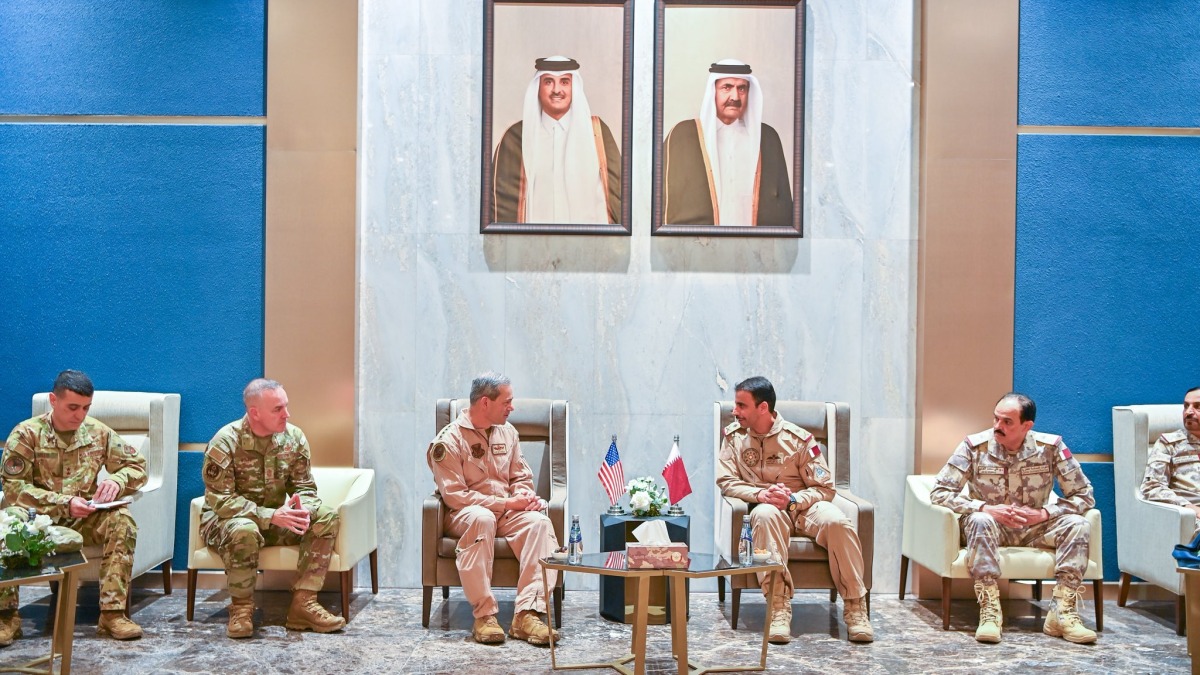

A high-level delegation from the United States Air Force, led by Chief of Staff General Kenneth Wilsbach, recently concluded an official visit to Qatar, signaling continued strengthening of defense ties between the two nations. The visit, which occurred this week, focused on discussions with the Qatar Amiri Air Force regarding regional security and potential areas of collaboration. This US Air Force visit to Qatar underscores the importance of the Gulf region in American strategic planning.
General Wilsbach met with the Commander of the Qatar Amiri Air Force, Major General (Pilot) Faisal Khalid Al-Ghanim, during the trip. While specific details of the discussions haven’t been publicly released, the meeting likely covered topics such as joint training exercises, aircraft maintenance, and the sharing of intelligence. The visit took place in Doha, Qatar, and represents a continuation of frequent engagements between the two air forces.
Strengthening Qatar-US Military Cooperation
The United States and Qatar have maintained a robust military partnership for decades, built on shared security interests and a commitment to regional stability. Qatar hosts Al Udeid Air Base, a critical hub for US military operations in the Middle East, and has been a key ally in counterterrorism efforts. This latest US Air Force visit to Qatar is a demonstration of the ongoing commitment to this alliance.
Regional Security Concerns
The Gulf region remains a focal point for international security concerns, including tensions with Iran and the ongoing conflicts in Syria and Yemen. Qatar’s strategic location and its role in mediating regional disputes make it a valuable partner for the United States. Discussions between the two air forces likely addressed these challenges and explored ways to enhance their collective response capabilities.
Recent Defense Agreements
In recent years, the US and Qatar have signed several significant defense agreements, including a deal in 2023 to enhance security cooperation. This agreement included provisions for increased arms sales and joint military exercises. The timing of this US Air Force visit to Qatar suggests a focus on implementing these agreements and identifying new opportunities for collaboration, particularly in air defense systems.
Additionally, Qatar has been actively modernizing its own air force, investing in advanced aircraft and training programs. This modernization effort aligns with US efforts to bolster the defense capabilities of its allies in the region. The US has provided Foreign Military Sales (FMS) to Qatar, including F-15 fighter jets and other military equipment.
Meanwhile, the visit also comes amid broader efforts by the US to reassure its partners in the Middle East following shifts in US foreign policy and a perceived reduction in US engagement. Maintaining strong relationships with key allies like Qatar is seen as crucial for preserving US influence and promoting stability in the region. The presence of the Chief of Staff of the US Air Force signals a high level of importance placed on this relationship.
In contrast to some other regional relationships, the US-Qatar partnership has remained relatively stable and cooperative. Qatar has played a constructive role in various diplomatic initiatives, and its commitment to counterterrorism has been consistently recognized by the US government. This positive dynamic likely contributed to the productive nature of General Wilsbach’s visit.
The Qatari Ministry of Defense confirmed the visit, stating it reflects the “depth of the strategic partnership” between the two countries. The ministry also emphasized the importance of continued dialogue and cooperation in addressing shared security challenges. Further details regarding specific agreements or commitments made during the visit are expected to be released in the coming weeks. The Peninsula Qatar reported on the initial meeting.
Looking ahead, the focus will likely shift to the practical implementation of any agreements reached during the US Air Force visit to Qatar. Observers will be watching for announcements regarding joint training exercises, technology transfers, and increased military personnel exchanges. The ongoing geopolitical landscape and evolving security threats will continue to shape the dynamics of this important alliance, and future engagements are anticipated as both nations work to maintain regional stability and address common security concerns. The next major event to watch for is the upcoming Qatar National Day celebrations, where further diplomatic engagements may occur.
The development of US Air and Space Forces capabilities is also a key factor in these partnerships.
Qatar’s investment in defense cooperation with the US is expected to continue.
The impact of this visit on broader US-Qatar relations remains to be seen.