


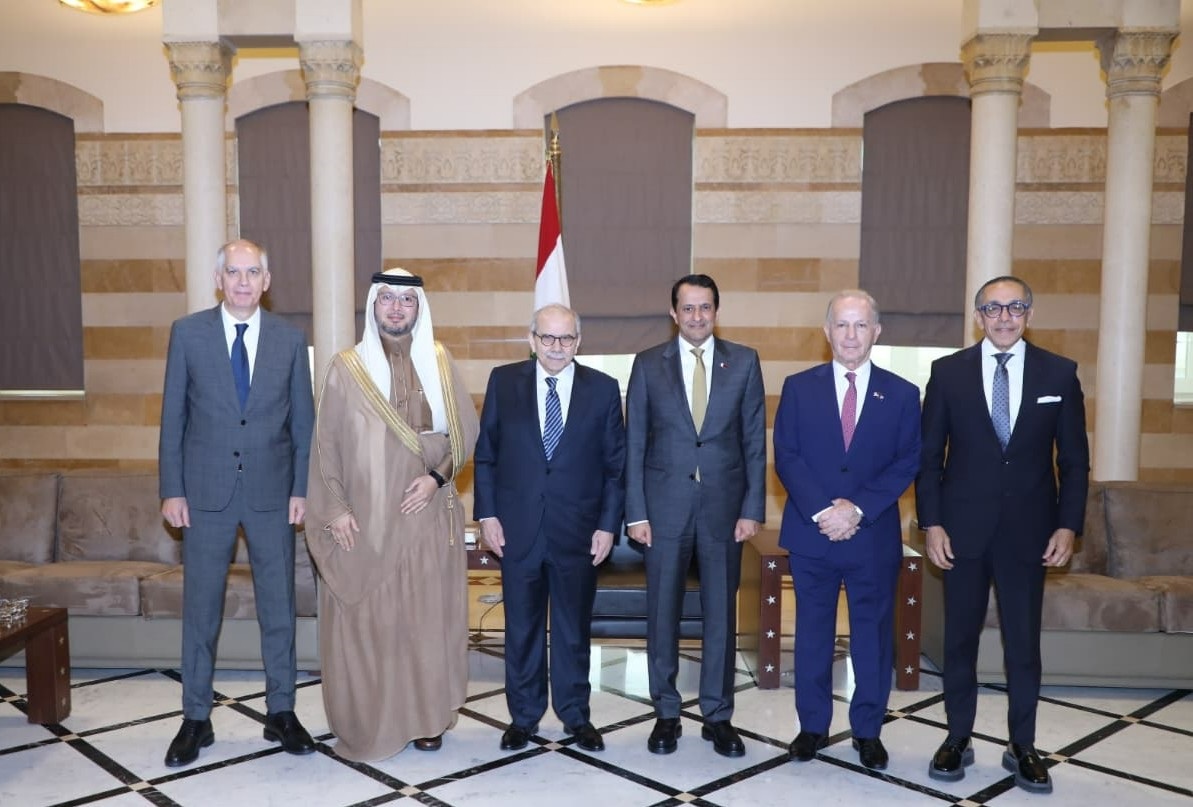

Qatar’s Ambassador to Lebanon, Sheikh Saud bin Abdulrahman Al-Thani, participated in a crucial meeting with Lebanese Prime Minister Dr. Nawaf Salam alongside representatives from the Quintet Committee this week. The discussions centered on the evolving Lebanon political situation and broader regional security concerns. This engagement underscores Qatar’s continued diplomatic efforts to foster stability in the region and support ongoing dialogue within Lebanon.
The meeting, held in Beirut, Lebanon, involved ambassadors from the United States, France, Saudi Arabia, Egypt, and Qatar – collectively known as the Quintet Committee. These nations are key international stakeholders actively working to facilitate a resolution to Lebanon’s protracted political and economic crises. The talks represent a renewed push for progress amid ongoing challenges.
The Quintet Committee and Lebanon’s Political Landscape
The Quintet Committee was established to coordinate international efforts aimed at assisting Lebanon in overcoming its multifaceted challenges. These include a severe economic downturn, a stalled political system, and regional security threats. According to sources familiar with the committee’s work, the group focuses on encouraging Lebanese leaders to implement necessary reforms and elect a president.
Recent Political Impasse
Lebanon has been without a president since Michel Aoun’s term ended in October 2022, exacerbating the country’s existing political paralysis. Repeated attempts to elect a successor have been thwarted by disagreements among various political factions. This vacuum has hindered the implementation of crucial economic reforms demanded by international lenders, including the International Monetary Fund (IMF).
Additionally, the ongoing conflict in Gaza and tensions along the Lebanese-Israeli border have added to the country’s instability. The Quintet Committee is reportedly urging all parties to exercise restraint and avoid actions that could escalate the situation. The potential for spillover effects from the regional conflict remains a significant concern.
However, the Lebanese political system is notoriously complex, characterized by sectarian divisions and power-sharing arrangements. This makes consensus-building exceptionally difficult, even with external pressure from international actors. The committee’s role is to encourage internal dialogue and provide a framework for constructive engagement.
Qatar’s Role in Lebanese Stability
Qatar has historically maintained close ties with Lebanon and has provided significant humanitarian and economic assistance. This support has included financial aid, food security initiatives, and assistance to the Lebanese army. Qatar’s involvement in the Quintet Committee demonstrates its commitment to a long-term solution for the Lebanon crisis.
The country’s diplomatic approach often emphasizes mediation and dialogue, seeking to bridge divides between different political groups. This strategy aligns with the Quintet Committee’s broader objective of fostering a more inclusive and stable political environment. Qatar’s financial contributions have also been vital in addressing immediate humanitarian needs within Lebanon.
Meanwhile, other international actors, such as the United States and France, are also actively engaged in diplomatic efforts. The U.S. has repeatedly called for the election of a president and the implementation of economic reforms, while France has been a key advocate for a comprehensive political settlement. These combined efforts aim to create a more conducive environment for regional stability.
Implications and Future Outlook
The outcome of the Quintet Committee’s efforts remains uncertain. The deep-seated political divisions within Lebanon and the complex regional dynamics pose significant challenges. However, continued international engagement is seen as crucial to preventing further deterioration of the situation. The IMF’s proposed bailout package, contingent on reforms, offers a potential pathway to economic recovery, but its implementation requires political consensus.
The next few weeks will be critical as the Quintet Committee continues its diplomatic push. A key focus will be on encouraging Lebanese political leaders to prioritize national interests and engage in constructive dialogue. Observers will be watching for any signs of progress towards a presidential election and the implementation of necessary economic reforms. The situation in Gaza and its potential impact on Lebanon will also remain a central concern for the international community.
Source: The Peninsula Qatar
Source: Reuters
Source: Al Mayadeen