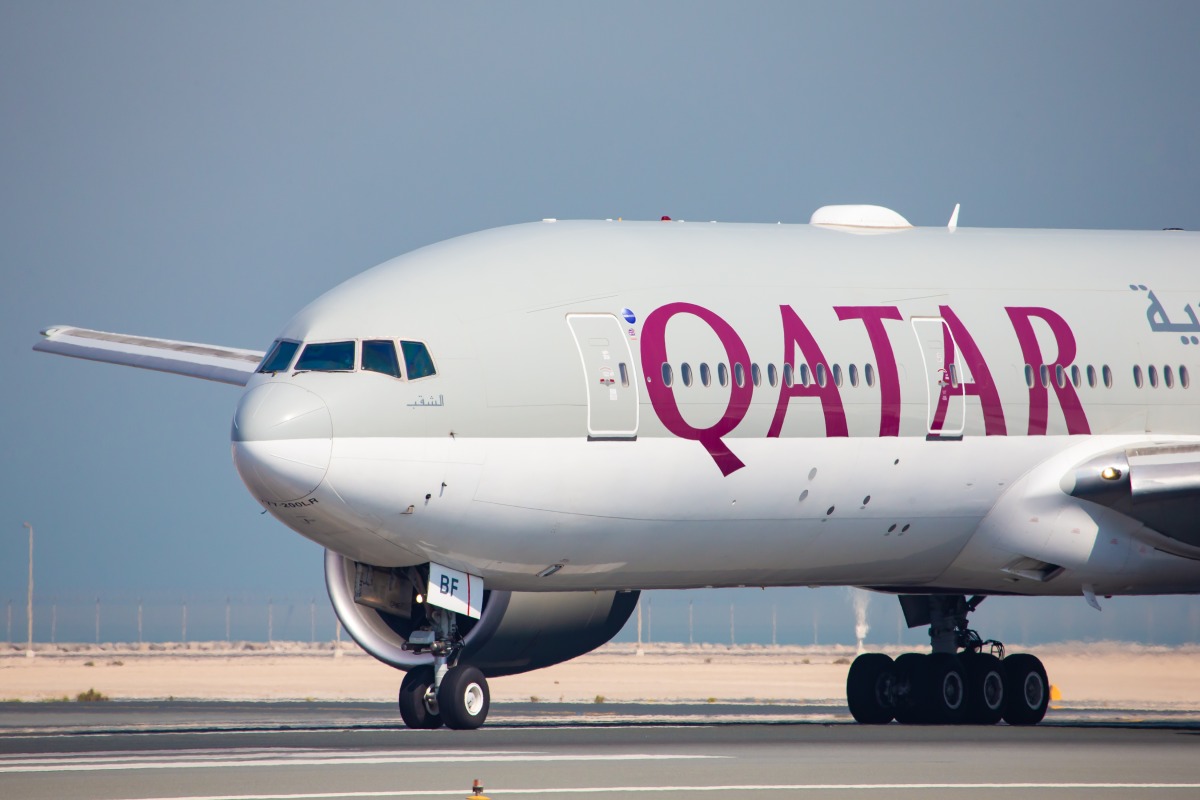

Doha, Qatar – Qatar Airways has confirmed the completion of necessary inspections and updates on its Airbus A320 fleet following a global safety alert issued by the aircraft manufacturer. The airline acted swiftly after Airbus notified operators on November 28th that up to 6,000 A320 family aircraft could be affected by a potential issue, prompting precautionary measures worldwide. Qatar Airways reports minimal disruption to its flight schedule during the process.
The alert stemmed from a technical malfunction experienced on a JetBlue A320 flight in October, which prompted Airbus to investigate and subsequently issue guidance for operators. The issue relates to a potential problem with a locking pin within the aircraft’s seat rails, potentially affecting seat movement. Qatar Airways was among the first carriers to publicly address the situation and outline its response.
Qatar Airways Addresses Airbus A320 Safety Concerns
The immediate priority for Qatar Airways, and airlines globally, was to assess and rectify any potential issues on their A320 fleets. According to the airline, the required updates were implemented efficiently, minimizing impact on passenger travel. This proactive approach underscores the airline’s commitment to maintaining the highest safety standards.
Scope of the Airbus Alert
Airbus’s alert requested airlines to conduct inspections of all A320 family aircraft – including the A319, A320, and A321 models – as soon as possible. The manufacturer advised operators to take “immediate precautionary action,” which included checking the locking pins on all passenger seats. The potential for seat movement during flight, while considered low probability, prompted the urgent response.
However, the exact nature of the malfunction and the specific number of aircraft requiring repair remained unclear in the initial stages. Different airlines have varying fleet sizes and maintenance schedules, leading to a staggered response to the alert. The Federal Aviation Administration (FAA) also issued its own Airworthiness Directive, mirroring Airbus’s recommendations and mandating the inspections for US-based carriers.
Meanwhile, other major airlines, including EasyJet and Wizz Air, also confirmed they were implementing the required checks. Reports indicate that the disruption to global air travel has been relatively contained, with airlines working to manage the inspections during routine maintenance checks whenever possible. The focus has been on preventative measures to ensure passenger safety.
Impact on Flight Schedules and Passenger Confidence
Qatar Airways emphasized that its flight schedule experienced only slight adjustments as a result of the inspections. The airline prioritized maintaining service levels while adhering to the safety directives. This swift action aimed to reassure passengers and maintain confidence in the airline’s operations.
Additionally, the incident highlights the robust safety protocols in place within the aviation industry. The rapid response from Airbus, regulatory bodies like the FAA, and airlines demonstrates a commitment to proactively addressing potential safety concerns. The industry relies on a system of reporting and investigation to continuously improve safety measures.
In contrast to some initial reports, Qatar Airways stated that the issue did not involve a structural defect in the aircraft itself, but rather a component within the seating system. This clarification helped to alleviate some concerns regarding the overall airworthiness of the A320 fleet. The airline’s transparent communication strategy further contributed to maintaining passenger trust.
Looking ahead, airlines will continue to monitor their A320 fleets and adhere to any further guidance issued by Airbus and aviation authorities. The long-term implications of the alert remain to be seen, but the immediate focus is on ensuring all aircraft meet the required safety standards. The industry will be watching for any further reports of similar incidents and assessing the effectiveness of the implemented preventative measures. The completion of the initial inspections represents a significant step, but ongoing vigilance is crucial for maintaining aviation safety and the reliability of Airbus A320 operations.
Related secondary keywords used: aircraft maintenance, aviation safety, flight disruptions.