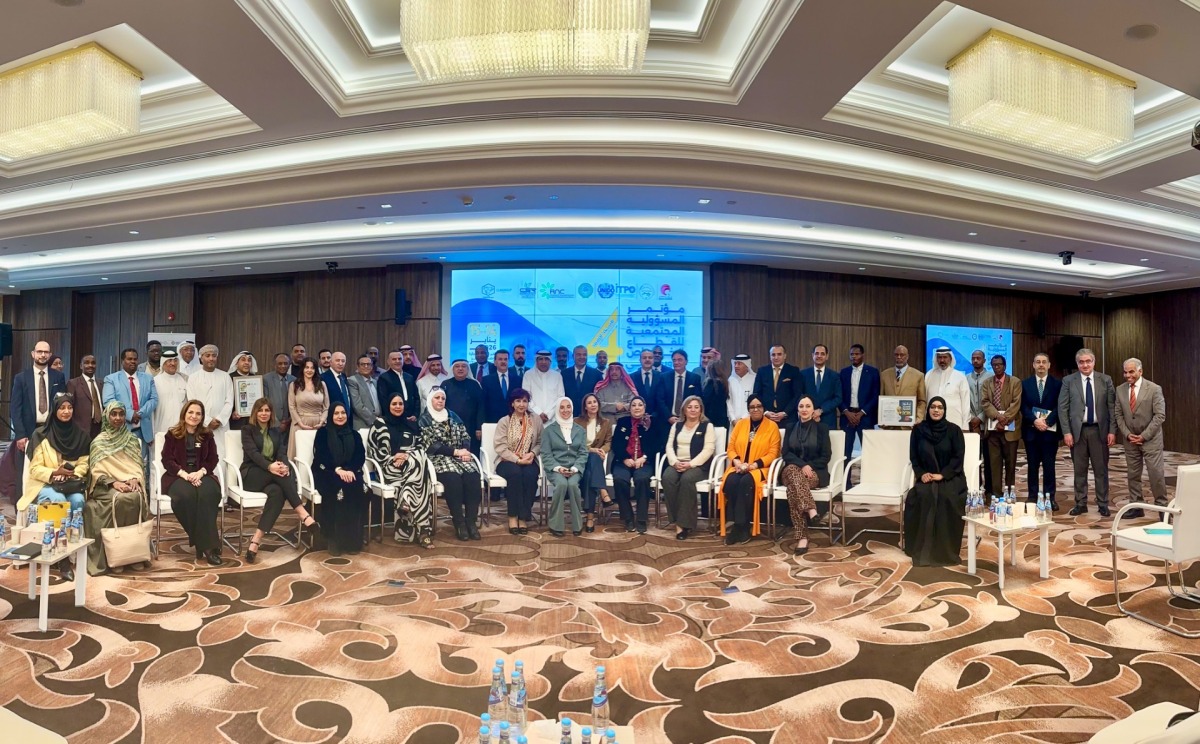

Doha, Qatar – The 4th Private Sector Social Responsibility and Its Role in Sustainable Development Conference concluded yesterday with the adoption of the Doha Declaration 2026. This declaration outlines a strategic roadmap for businesses in the Arab world to integrate corporate social responsibility (CSR) with long-term profitability and positive social impact. The conference, hosted by the Qatar Chamber, brought together leaders to discuss evolving best practices in sustainability.
Held from Wednesday through Thursday, the event drew business leaders, policymakers, and international partners from across the region. Organized jointly by the Qatar Chamber, the Union of Arab Chambers, the League of Arab States, the Regional Network Consultancy, and the United Nations Industrial Development Organization (UNIDO), the conference focused on transitioning towards more robust and standardized approaches to social and environmental responsibility.
The Doha Declaration and the Future of Corporate Social Responsibility
The Doha Declaration 2026 centers on several key recommendations designed to elevate corporate social responsibility standards. A primary focus is the establishment of unified professional classifications for CSR initiatives, with the Arab CSR Index proposed as a regional benchmark for measuring impact. This move aims to provide greater transparency and accountability in how companies report and assess their social and environmental performance.
Strengthening Governance and Investment
Participants emphasized the need for stronger governance of global value chains to ensure ethical and sustainable practices throughout the supply chain. Additionally, the declaration calls for increased investment in innovation, particularly in areas like artificial intelligence and green technologies, to drive efficiency and reduce carbon footprints. These investments are seen as crucial for both environmental protection and long-term economic competitiveness.
The conference also highlighted the importance of family-owned businesses, a significant component of the Arab economy, in adopting Environmental, Social, and Governance (ESG) practices. Integrating ESG considerations into operations is viewed as essential for attracting investment and building resilience in a rapidly changing global landscape.
Promoting Social Impact Initiatives
Beyond environmental concerns, the Doha Declaration stresses the importance of social initiatives. These include supporting programs focused on digital education, community health, women’s empowerment, youth engagement, and the fostering of social entrepreneurship. The aim is to create a more inclusive and equitable society while simultaneously driving economic growth.
A key theme throughout the conference was a shift away from traditional, often philanthropic, CSR approaches towards a more integrated ESG model. This model aligns business practices with internationally recognized sustainability standards, such as those promoted by the United Nations Sustainable Development Goals (SDGs). According to attendees, this integration is vital for ensuring long-term business viability and attracting responsible investors.
The declaration also underscored the importance of humanitarian solidarity, proposing the creation of joint Arab funds to support research and development, as well as initiatives promoting digital entrepreneurship. This collaborative approach is intended to accelerate innovation and address shared challenges across the region.
Participants consistently described social responsibility as a fundamental pillar of good governance. They argued that the private sector has a central role to play in achieving the SDGs and in building trust between businesses and the communities they serve. This trust, they believe, is essential for fostering a stable and prosperous economic environment.
To further promote the exchange of knowledge and best practices, the conference recommended launching an International Observatory for Sustainability and Social Responsibility. Complementing this would be professional exchange and twinning programs designed to strengthen institutional capacity and cultivate a culture of social responsibility among younger generations. These initiatives aim to ensure the long-term sustainability of CSR efforts.
The organizers stated that the Doha Declaration represents a collective commitment to translating the conference’s vision into concrete policies. The next step involves national and regional stakeholders developing implementation plans based on the declaration’s recommendations. While a firm deadline for these plans has not been set, observers anticipate initial proposals within the next six months. The success of the declaration will depend on the willingness of governments and businesses to prioritize sustainability and actively integrate ESG principles into their operations, a process that may face challenges related to resource allocation and differing national priorities.
Related topics discussed included sustainable development and the role of ESG investing in the region.