

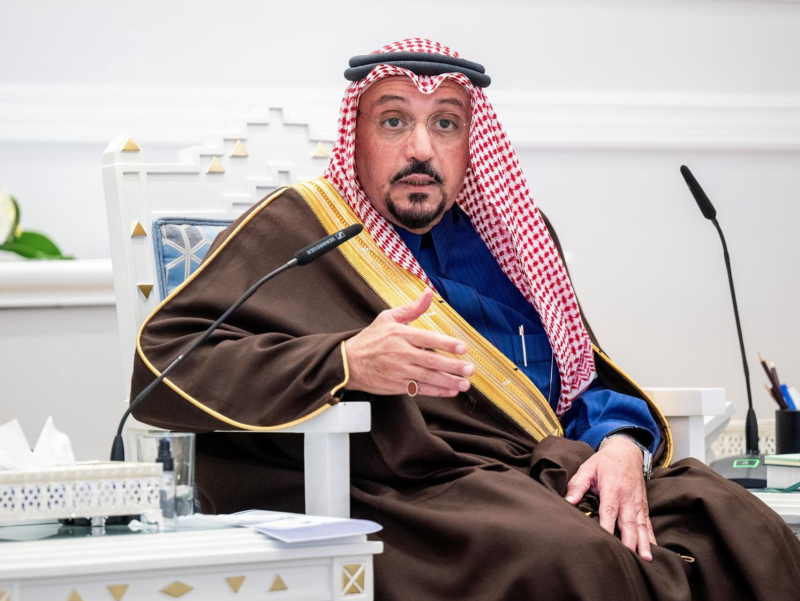

The Qassim region of Saudi Arabia is emerging as a leader in environmental sustainability with its ambitious Saudi Green Initiative efforts. Emir of Qassim, Prince Faisal bin Mishaal, recently participated in a dialogue session focused on the region’s strategy for achieving the goals of the national initiative, highlighting collaborative successes between government, private sector, and community stakeholders. The session, held Monday, was organized by the National Center for the Development of the Non-Profit Sector, demonstrating a commitment to broad participation in the kingdom’s green transformation.
The dialogue session, attended by Deputy Emir Prince Fahd bin Saad, provided a platform to discuss the Qassim Region Governorate’s specific mechanisms for contributing to the broader Saudi Green Initiative. Officials reported significant progress in planting initiatives and resource management, positioning Qassim as a potential model for other regions in the country and beyond. This engagement occurred alongside the Professional Volunteering Initiative for Their Highnesses and Excellencies, emphasizing the importance of leadership involvement.
Qassim’s Implementation of the Saudi Green Initiative
The Qassim Green Land program, a key component of the region’s contribution to the Saudi Green Initiative, has focused on increasing vegetation cover and promoting sustainable water practices. The program operates under the umbrella of the national initiative, launched in 2021 with the goal of reducing carbon emissions, protecting natural resources and enhancing the quality of life. The kingdom has committed to ambitious targets, including planting 10 billion trees.
A significant aspect of Qassim’s success has been fostering interagency collaboration. Prince Faisal emphasized that multiple government departments have worked together effectively to implement projects and overcome challenges. This coordinated approach is credited with streamlining processes and maximizing impact, according to statements made during the session.
Community and Private Sector Engagement
The Qassim region has actively sought to involve both community members and private sector entities in its environmental endeavors. Approximately 7.5 million seedlings have been planted across various areas, including parks, roadsides, gardens, and other public spaces. This level of community participation, lauded by Salman Al-Suwainee, Director of the Ministry of Environment, Water and Agriculture in Qassim, has been instrumental in the program’s advancement.
Additionally, the initiative has attracted investment and expertise from the private sector. Faisal Al-Fadl, Secretary-General of the Saudi Green Building Forum, described Qassim’s approach as a best practice for attracting non-governmental support. This public-private partnership model is seen as crucial for long-term sustainability and scalability.
International Recognition and Sustainable Development
The Qassim Green Land program recently received international recognition at the UN High-Level Political Forum on Sustainable Development in New York. The presentation of the program at the forum resulted in commendation for its innovative approach to transforming environmental resources into economic opportunities. This acknowledgement highlights the potential for Saudi Arabia’s sustainability efforts to serve as a template for other nations facing similar environmental challenges.
Furthermore, the program has made strides in water conservation through the increased use of treated wastewater. Prince Mutaib bin Fahd bin Faisal, Chairman of the Environment Committee, highlighted this achievement as laying the groundwork for long-term environmental stability. Addressing water scarcity is a major component of the overall Saudi Vision 2030 plan, and the Qassim region’s efforts align closely with these national objectives.
The regional government is also focusing on broader ecological concerns, including biodiversity conservation and waste management. The Ministry of Environment, Water and Agriculture’s involvement has guided efforts to promote responsible land use. The integration of these elements signifies a comprehensive approach to environmental stewardship.
While planting trees is a visible aspect of the Saudi Green Initiative, officials stress that the program’s success rests on a more holistic strategy. This includes optimizing resources, promoting circular economy principles, and investing in green technologies. These elements, they argue, are vital for ensuring lasting environmental benefits.
Looking ahead, the Qassim Region Governorate plans to expand the Green Land program to encompass more ambitious targets for carbon reduction and sustainable development. The next phase will likely involve a detailed assessment of the program’s impact to date and the identification of areas for improvement. Long-term monitoring of the planted vegetation, along with continued collaboration with stakeholders, will be critical to the continued success of the initiative, and whether the region can become a truly sustainable hub within the Kingdom remains to be seen.
The specific timelines for expansion and further investment remain subject to change based on funding availability and ongoing environmental assessments. The Ministry of Environment, Water and Agriculture will be closely tracking progress and issuing periodic reports on the implementation of the Saudi Green Initiative throughout the country.