
Bahrain is making significant strides in water resource management, demonstrated by the impressive production of treated water in 2025. The Ministry of Works reported exceeding 95 million cubic meters of treated water generated, a testament to the nation’s growing commitment to sustainability and environmental responsibility. This achievement highlights the successful implementation of advanced technologies and strategic initiatives aimed at conserving precious freshwater supplies and fostering a greener future for the Kingdom.
Bahrain’s Increasing Treated Water Production in 2025
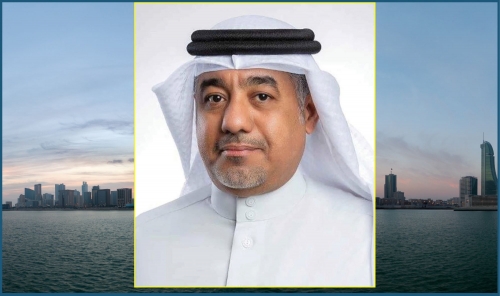
According to Assistant Undersecretary for Sanitary Engineering, Engineer Fathi Abdullah Al Farea, the 95+ million cubic meter output represents a substantial increase in the nation’s capacity to effectively reuse wastewater. This isn’t simply about volume; it’s about employing cutting-edge methods to ensure the water meets stringent quality standards. The technologies utilized include advanced filtration and disinfection processes, aligning with leading international environmental benchmarks.
This focus on quality is paramount. Wastewater received by the Ministry undergoes a comprehensive treatment process, integrating physical, chemical, and biological methods. This multi-stage approach guarantees the safety and suitability of the treated water for its intended applications.
The Importance of Water Reuse for Sustainability
The core principle driving this initiative is water conservation. Bahrain, like many countries in the arid Gulf region, faces inherent challenges in securing sufficient freshwater resources. Reusing treated wastewater alleviates pressure on these limited supplies, promoting a more sustainable approach to water management.
The applications of this recycled water are carefully considered. Currently, the majority is directed towards vital sectors like agriculture, where it provides a reliable irrigation source, and landscaping, enhancing the aesthetic appeal of streets and public spaces. Controlled irrigation projects also benefit, ensuring efficient water delivery and minimizing waste.
This commitment to reuse isn’t just environmentally sound; it’s economically beneficial. By reducing reliance on desalination and other energy-intensive freshwater production methods, Bahrain can lower costs and improve its overall resource efficiency.
Supporting Innovation in Irrigation Technology
The Ministry of Works isn’t resting on its current successes. It’s actively fostering innovation through initiatives like the Irrigation Innovation Competition, launched under the direction of His Royal Highness Prince Salman bin Hamad Al Khalifa. This competition is designed to attract groundbreaking solutions from both individuals and institutions, specifically focused on improving irrigation efficiency and maximizing the benefits of treated water.
The goal is to identify and implement technologies that can further reduce water consumption in agriculture and landscaping, leading to increased green spaces and a more resilient water system. This proactive approach demonstrates Bahrain’s dedication to long-term water security and environmental stewardship. The competition also encourages research and development within the Kingdom, building local expertise in this critical field.
Key Facilities and Network Infrastructure
The Tubli Wastewater Treatment Plant plays a pivotal role in Bahrain’s wastewater treatment capabilities. As the largest facility of its kind in the country, it generated approximately 45 million cubic meters of treated water in 2025 alone. This substantial output directly supports irrigation needs across numerous farms and along major roadways throughout the Kingdom.
However, production is only one part of the equation. A robust infrastructure is essential for effectively delivering treated water to its end users. Currently, Bahrain boasts a dedicated treated water network spanning around 70 kilometers in transmission lines and 167 kilometers in distribution lines.
Ensuring Reliable Delivery
To maintain the integrity and reliability of this network, 14 pumping stations are strategically located throughout the system. These stations undergo regular, preventative maintenance to guarantee uninterrupted pumping, transport, and distribution of treated water. This proactive maintenance schedule minimizes disruptions and ensures a consistent supply for agricultural and landscaping purposes. Investing in this infrastructure is crucial for realizing the full potential of water reuse.
Looking Ahead: Bahrain’s Water Future
Bahrain’s achievement of over 95 million cubic meters of treated water production in 2025 is a significant milestone in its journey towards water sustainability. The combination of advanced technology, strategic initiatives like the Irrigation Innovation Competition, and a well-maintained distribution network positions the Kingdom for continued success in this vital area.
The ongoing investment in water management and reuse demonstrates a clear commitment to protecting the environment and ensuring a secure water future for generations to come. As the population grows and the climate continues to change, the importance of these efforts will only increase. Bahrain’s experience can also serve as a valuable model for other arid and semi-arid regions facing similar water challenges.