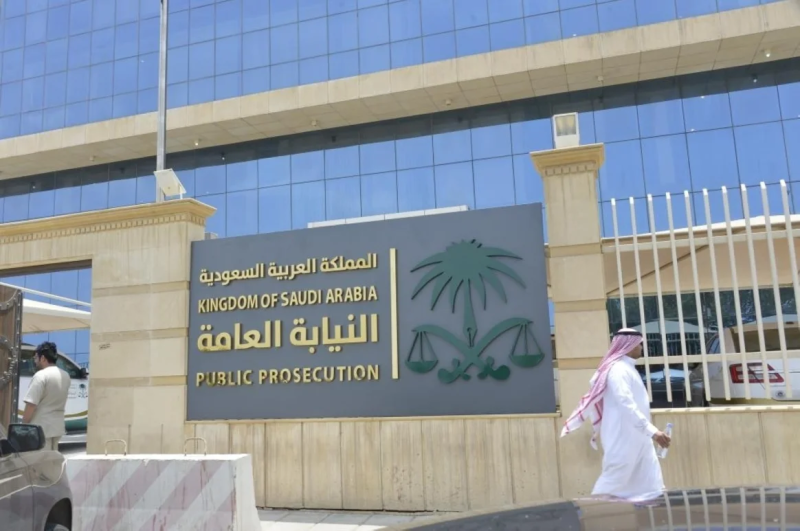

Saudi Arabia’s Public Prosecution recently issued a strong warning regarding the crime of cyber harassment, clarifying that actions considered harassment extend to online interactions. The announcement, made via the official X (formerly Twitter) account, underlines the legal consequences of utilizing digital platforms – including social media and applications – to engage in unwelcome, sexually suggestive conduct. This move reaffirms the Kingdom’s commitment to protecting individuals in both physical and online spaces.
The warning, released from Riyadh, focuses on defining and criminalizing acts that violate a person’s bodily autonomy, reputation, or modesty through any form of communication or gesture. According to the Public Prosecution, these offenses are punishable under Saudi law, regardless of whether they occur in person or via technological means. This expanded definition of harassment demonstrates a proactive approach to addressing evolving forms of misconduct.
Understanding the Scope of Cyber Harassment in Saudi Arabia
The Public Prosecution’s statement arrives as part of a broader effort to enforce the Anti-Harassment Law, enacted in 2018. This legislation aimed to provide a legal framework for addressing harassment in all its forms, recognizing the significant impact it can have on victims and society as a whole. The recent clarification specifically addresses the growing prevalence of harassment occurring through digital channels.
Previously, legal interpretations often focused on physical acts of harassment. However, the increasing use of social media and online communication has necessitated a more comprehensive understanding of what constitutes a criminal offense. The Public Prosecution’s announcement seeks to eliminate ambiguity and ensure consistent application of the law.
What Behaviors are Considered Harassment?
The definition of harassment outlined by the Public Prosecution is intentionally broad. It encompasses any unwanted statement, action, or gesture of a sexual nature. This includes, but is not limited to, sending inappropriate images or messages, making unwanted sexual advances online, or engaging in online stalking.
The law also protects against actions that damage a person’s reputation or dignity. This could involve spreading false or malicious rumors online, or posting embarrassing or private information without consent. The emphasis is on the impact of the behavior on the victim, rather than the intent of the perpetrator.
Furthermore, the Public Prosecution highlighted that the Anti-Harassment Law is designed to safeguard individual privacy and personal freedom. This aligns with broader social reforms underway in Saudi Arabia, which aim to empower individuals and promote a more respectful society. The Kingdom has been actively working to modernize its legal system and align it with international standards.
Penalties for cyber harassment in Saudi Arabia can be severe, ranging from fines to imprisonment. The specific punishment will depend on the nature and severity of the offense, as well as the perpetrator’s prior record. The Public Prosecution encourages anyone who has been subjected to harassment to report the incident to the authorities.
The announcement also comes amidst increasing global concern over online safety and the protection of vulnerable individuals. Many countries are grappling with the challenge of regulating online behavior and addressing the rise of digital abuse. Saudi Arabia’s proactive stance reflects a growing international trend.
Meanwhile, the focus on societal values underscores the cultural context of the law. The Public Prosecution emphasized the importance of respecting established norms and traditions, particularly in the digital space. This is consistent with the Kingdom’s efforts to balance modernization with the preservation of its cultural heritage.
The implications of this warning extend beyond individual criminal cases. It is expected to have a chilling effect on perpetrators of online harassment, potentially reducing the incidence of such behavior. Businesses and social media platforms operating in Saudi Arabia may also need to strengthen their policies and procedures to prevent harassment on their platforms.
Additionally, the Public Prosecution’s clarification is likely to increase awareness among the public about what constitutes harassment. This is a crucial step in fostering a culture of respect and accountability. Educational campaigns may follow to further disseminate information about the law and its provisions.
In contrast to some regions where defining online harassment remains a complex debate, Saudi Arabia appears intent on a firm and understandable enforcement position. This clarity extends to a desire to secure a safe online environment while prioritizing cultural sensitivities. Other areas of concern involving internet safety are also being actively addressed by the Saudi government, including combating online fraud and disinformation.
The authorities have not specified a timeframe for increased enforcement activity; however, experts anticipate a rise in investigations and prosecutions related to online harassment in the coming months. It remains to be seen how effectively the law will be implemented and whether it will achieve its intended goals of protecting individuals and promoting positive behavior in the digital sphere. Further developments in legal interpretations and enforcement strategies will be closely monitored.
Looking ahead, the Public Prosecution’s approach highlights a continued focus on digital rights and responsibilities in Saudi Arabia. Ongoing discussions around data privacy and online expression will likely shape future legislative efforts and enforcement priorities. The success of the Anti-Harassment Law will depend on consistent application and adapting to the ever-evolving landscape of online communication.