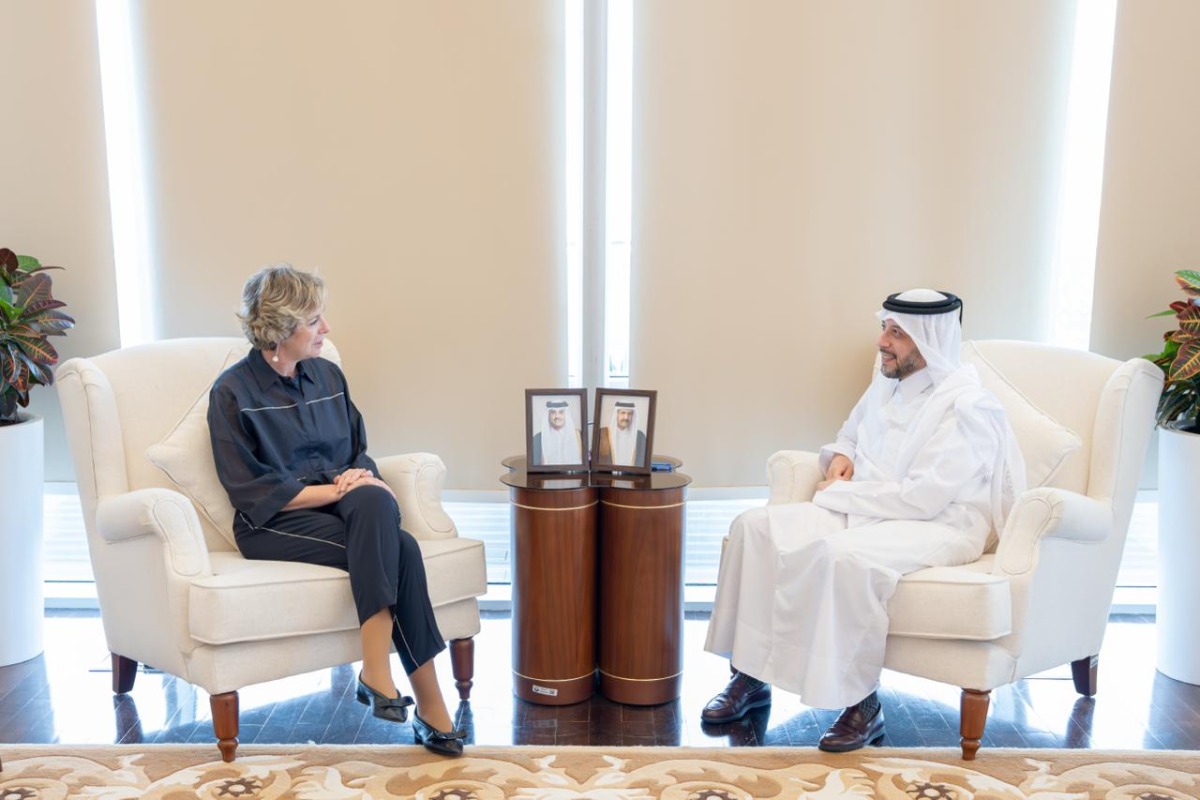

Doha, Qatar – Qatar’s Minister of Public Health, HE Mansoor bin Ebrahim Al Mahmoud, engaged in a series of bilateral meetings on Sunday, December 7, focused on bolstering healthcare cooperation with Albania, the World Health Organization (WHO), and Microsoft. The discussions took place on the sidelines of the 23rd Doha Forum, an annual global policy and dialogue platform. These meetings signal Qatar’s continuing commitment to strengthening its position as a regional leader in public health innovation and international partnerships.
The meetings brought together key figures in global health, including Albania’s Minister of Health and Social Protection, HE Dr. Evis Sala, WHO Regional Director for the Eastern Mediterranean, HE Dr. Hanan Balkhy, and Microsoft co-founder, HE Bill Gates. Details released by The Peninsula Qatar indicate the conversations centered on collaborative efforts within the health sector and topics relevant to the broader Doha Forum agenda.
Strengthening Healthcare Cooperation with Albania
The meeting with Albanian Minister of Health and Social Protection, Dr. Evis Sala, highlighted a mutual desire to enhance bilateral ties in healthcare. Qatar and Albania have seen increasing cooperation in recent years, and further collaboration is expected to focus on knowledge sharing and potential joint initiatives. The specific areas of cooperation were not disclosed but likely include workforce development and access to medical technology, according to analysts following Qatar’s health initiatives.
Expanding Medical Services
Increased collaboration on medical services could benefit both nations. Qatar’s advanced medical infrastructure and expertise may be shared to support improvements in Albania, while Albania’s unique challenges and approaches could offer valuable lessons for Qatar. The Ministry of Public Health did not specify any immediate action items at the time of reporting.
WHO Partnership Focused on Regional Health Security
Qatar’s engagement with the World Health Organization (WHO) reaffirmed its dedication to regional health security and pandemic preparedness. Discussions with Dr. Hanan Balkhy, the WHO Regional Director for the Eastern Mediterranean, likely centered on ongoing initiatives to strengthen health systems across the region, especially in the wake of the COVID-19 pandemic. Qatar has consistently been a strong supporter of the WHO’s efforts, contributing financially and strategically.
The Eastern Mediterranean region faces unique public health challenges, including conflicts, displacement, and emerging infectious diseases. Qatar’s collaborative efforts with the WHO aim to address these issues through improved surveillance, response mechanisms, and capacity building. These discussions also likely touched on the WHO’s 13th General Programme of Work, which prioritizes universal health coverage and achieving better health for all.
Exploring Technological Advancements with Microsoft
The meeting between Minister Al Mahmoud and Bill Gates, co-founder of Microsoft, suggests a potential exploration of leveraging technology to improve healthcare delivery and outcomes in Qatar. Microsoft has been increasingly involved in the health sector, developing innovative solutions for data analytics, artificial intelligence, and telemedicine. This alignment with Qatar’s National Vision 2030, which prioritizes a knowledge-based economy, is apparent.
The potential applications of Microsoft’s technologies in Qatar’s healthcare system are vast. They could range from improving electronic health records and streamlining administrative processes to developing personalized medicine approaches and enhancing public health surveillance systems. However, no specific projects or agreements were publicly announced following the meeting. Microsoft’s healthcare solutions are increasingly being adopted globally.
The Doha Forum, which serves as the backdrop for these meetings, is a platform for discussing pressing global challenges, including health security and technological innovation. Qatar’s proactive engagement with international partners at the forum underscores its commitment to playing a constructive role in addressing these issues. The forum’s focus on dialogue and collaboration is expected to yield further opportunities for healthcare cooperation in the future.
Looking ahead, the Ministry of Public Health is expected to provide further details on any concrete agreements or initiatives stemming from these discussions in the coming weeks. The success of these partnerships will depend on effective implementation and a sustained commitment from all parties involved. Observers will be watching for announcements regarding pilot projects or funding allocations related to these new avenues for healthcare cooperation and public health initiatives. The long-term impact on Qatar’s health sector and regional health security remains to be seen.
Further information on the Doha Forum can be found at the official Doha Forum website.