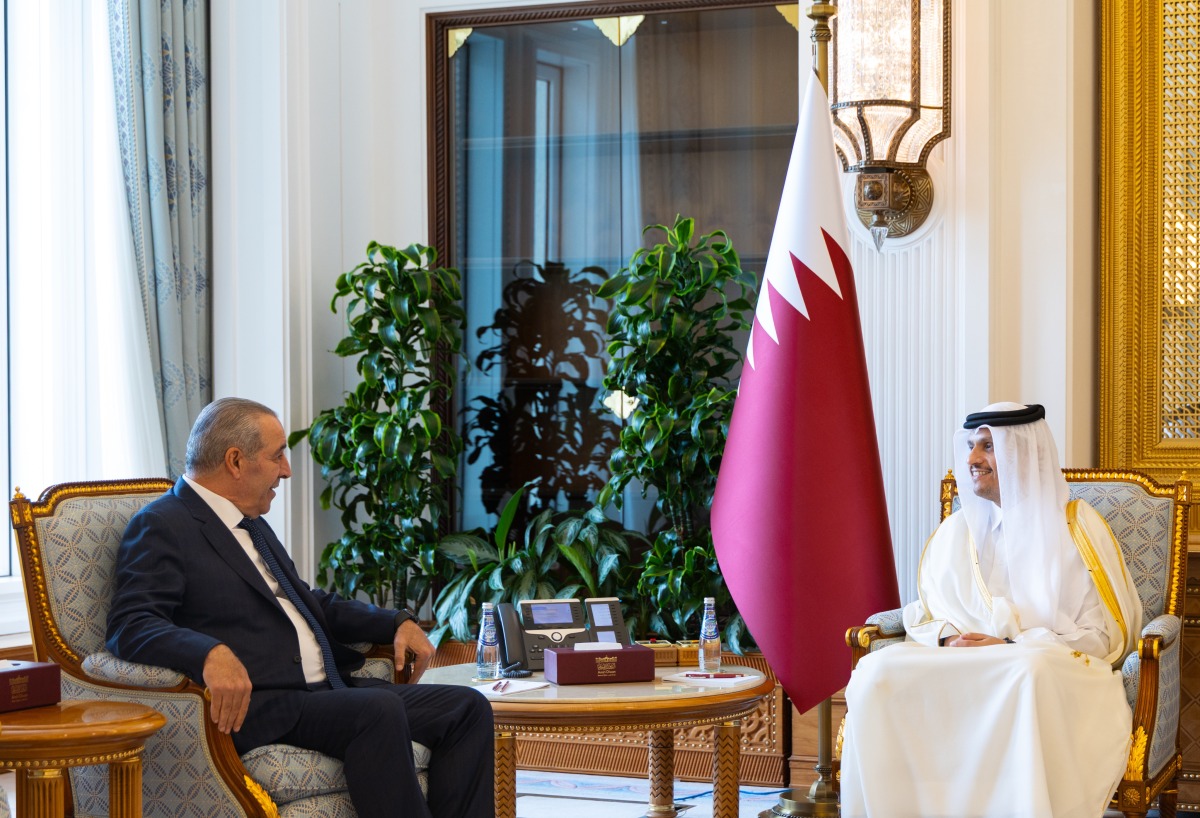

Doha, Qatar – Qatar’s Prime Minister and Minister of Foreign Affairs, Sheikh Mohammed bin Abdulrahman bin Jassim Al-Thani, met with Palestinian Vice President Hussein Al-Sheikh on December 15, 2025, to discuss ongoing efforts to address the crisis in Gaza and strengthen Qatar-Palestine relations. The meeting, held in Doha, focused on the deteriorating humanitarian situation and potential pathways toward a lasting resolution to the Israeli-Palestinian conflict. Qatar has been a key mediator in the region, particularly regarding hostage negotiations and aid delivery.
The discussions centered on the urgent need for a ceasefire in the Gaza Strip and increased humanitarian assistance for the affected population. Al-Sheikh’s visit comes amid heightened international pressure for a de-escalation of violence and a return to negotiations. The Qatari government reiterated its commitment to supporting a two-state solution, a cornerstone of its foreign policy regarding the Palestinian issue.
Strengthening Qatar-Palestine Relations Amidst Conflict
The meeting between Sheikh Mohammed and Al-Sheikh provided an opportunity to review existing cooperation between Qatar and Palestine across various sectors, including economic development, healthcare, and education. Qatar has historically provided significant financial aid to the Palestinian Authority and has invested in infrastructure projects in the West Bank and Gaza, though aid delivery to Gaza has been severely hampered by the current conflict. Both sides expressed a desire to enhance these ties further, despite the challenging circumstances.
According to a statement released by the Qatari Ministry of Foreign Affairs, the Prime Minister emphasized Qatar’s unwavering support for the Palestinian cause, grounded in international law and the pursuit of an independent Palestinian state. This position aligns with broader Arab consensus on the conflict. The two leaders also addressed a number of other issues of mutual concern, though details were not publicly disclosed.
The Situation in Gaza
The primary focus of the talks was the escalating violence in Gaza, which began following the October 7, 2023 attacks by Hamas on Israel. The conflict has resulted in a significant loss of life and widespread destruction, creating a severe humanitarian crisis. The report indicates that Qatar is actively working with regional and international partners to facilitate the delivery of aid and secure the release of hostages held in Gaza.
Qatar’s mediation efforts have been crucial in brokering temporary ceasefires and enabling the entry of humanitarian supplies. However, these pauses have been insufficient to address the immense needs of the civilian population. The international community continues to call for a sustained ceasefire and unfettered access for humanitarian organizations. The ongoing conflict has also raised concerns about regional stability and the potential for wider escalation, a key consideration for Qatar’s diplomatic initiatives.
Qatar’s Role in Regional Diplomacy
Qatar has long played a prominent role in mediating conflicts in the Middle East, leveraging its relationships with various actors, including Hamas and Israel. This position allows Qatar to serve as a vital channel for communication and negotiation. The country’s commitment to a two-state solution and its financial support for the Palestinian people have solidified its standing as a key advocate for Palestinian rights.
Additionally, Qatar has been vocal in its criticism of Israel’s actions in Gaza, calling for an end to the collective punishment of Palestinians and adherence to international humanitarian law. This stance has sometimes placed Qatar at odds with other regional powers, but it remains steadfast in its commitment to the Palestinian cause. The country’s diplomatic strategy is often characterized by quiet diplomacy and a focus on practical solutions.
The discussions between Sheikh Mohammed and Al-Sheikh also touched upon the broader political landscape in the occupied Palestinian territories, including the challenges facing the Palestinian Authority. Qatar has consistently supported efforts to strengthen the Palestinian Authority and promote good governance. The future of the Palestinian Authority is considered a critical component of any long-term peace settlement.
Looking ahead, Qatar is expected to continue its mediation efforts and advocate for a just and lasting resolution to the Israeli-Palestinian conflict. The timing and scope of any future ceasefires or negotiations remain uncertain, dependent on the evolving dynamics on the ground and the positions of all parties involved. The international community will be closely watching Qatar’s role in the coming weeks and months as it seeks to de-escalate the crisis and pave the way for a more peaceful future for the region, and further develop bilateral ties with Palestine. The success of these efforts will likely hinge on sustained international pressure and a renewed commitment to the principles of international legitimacy and a two-state solution.
Further developments regarding humanitarian aid to Gaza and potential diplomatic breakthroughs are anticipated as Qatar continues to engage with regional and international stakeholders.