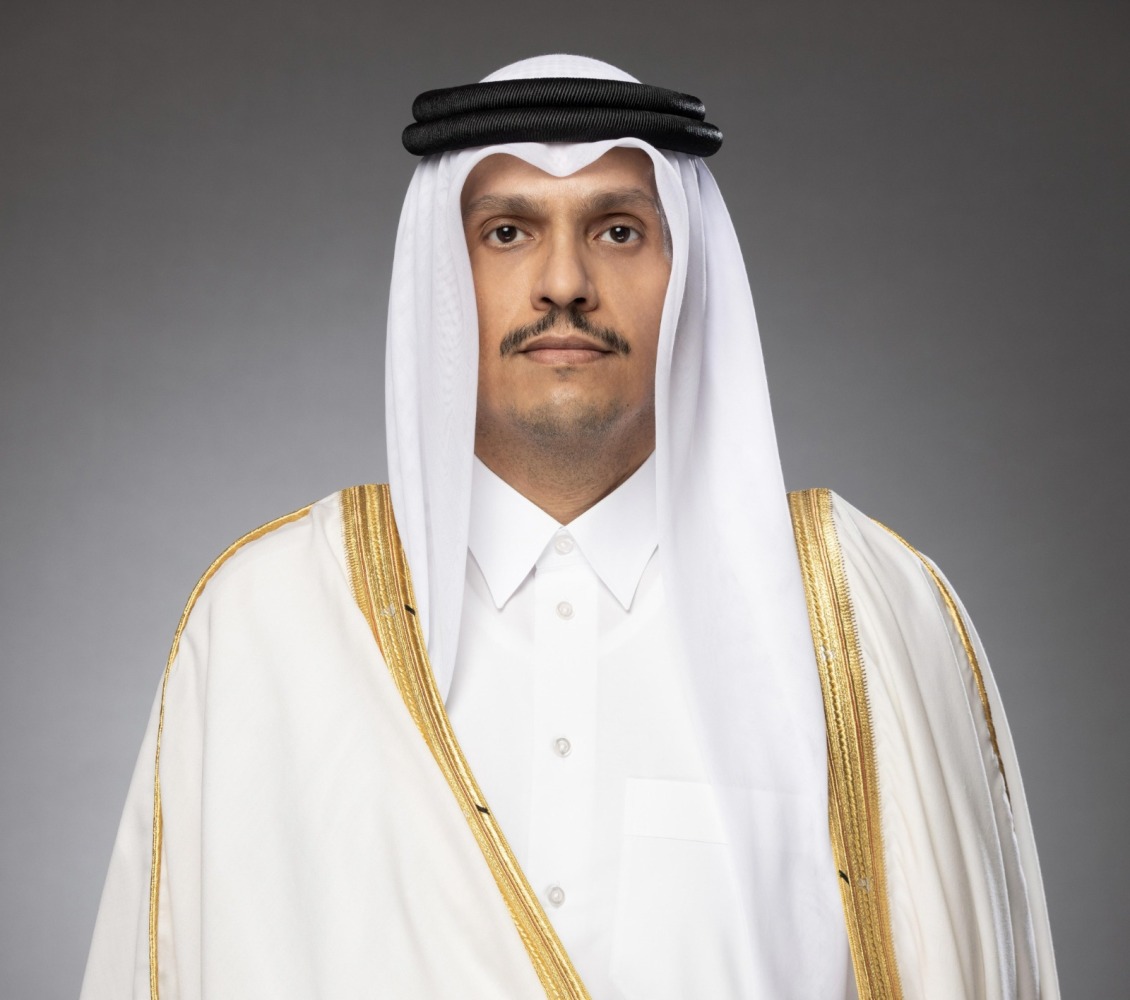

Doha, Qatar – Qatar’s Prime Minister and Minister of Foreign Affairs, Sheikh Mohammed bin Abdulrahman bin Jassim Al-Thani, spoke with United Nations Secretary-General Antonio Guterres today, January 13, 2024. The phone call focused on strengthening Qatar-UN relations and addressing the escalating humanitarian crisis in Gaza and the occupied Palestinian territories. Discussions also encompassed a range of pressing regional and international concerns, according to the official Qatar News Agency.
The conversation between the Qatari Prime Minister and the UN Secretary-General took place as international efforts to secure a ceasefire in Gaza continue. While details of the call were not exhaustive, the focus on Gaza underscores Qatar’s prominent role in ongoing mediation attempts and its commitment to a peaceful resolution of the conflict. The timing of the call is significant given the increasing urgency of the situation and the growing calls for increased humanitarian aid.
Strengthening Qatar-UN Cooperation
Qatar and the United Nations have maintained a collaborative relationship for decades, particularly in areas of humanitarian assistance, conflict resolution, and sustainable development. The call between Sheikh Mohammed and Guterres served as an opportunity to review existing partnerships and explore new avenues for cooperation. This includes potential joint initiatives related to global health, education, and climate change, areas of increasing importance on the international stage.
Qatar’s Role in Regional Diplomacy
Qatar has consistently positioned itself as a key mediator in regional disputes, and this role was likely a central theme in the discussion with the UN Secretary-General. The country’s independent foreign policy and established channels of communication with various actors have made it a valuable partner for the UN in addressing complex geopolitical challenges. This diplomatic engagement extends beyond the Israeli-Palestinian conflict to include issues in Sudan, Yemen, and other areas of instability.
The situation in Gaza has dominated international attention in recent weeks, with a significant increase in civilian casualties and a severe shortage of essential supplies. Qatar has been actively involved in delivering humanitarian aid to the region and advocating for a ceasefire. The country has also been working to facilitate the release of hostages held by Hamas, a process that has seen limited success to date. The ongoing conflict represents a major challenge to regional stability.
Additionally, the call addressed broader international affairs. These likely included discussions on the war in Ukraine, tensions in the Red Sea impacting global shipping, and the broader implications of these conflicts for international security. Qatar’s perspective on these issues is valued by the UN due to its unique position and relationships within the Middle East and beyond.
However, the specifics of the discussions regarding these wider international issues remain undisclosed. The focus on Gaza suggests a prioritization of immediate humanitarian concerns and the need for a de-escalation of violence. The UN has repeatedly called for a ceasefire and unimpeded access for humanitarian aid, and Qatar’s support for these goals is well-established.
In contrast to some other nations in the region, Qatar maintains diplomatic relations with a wide range of countries, including those with differing viewpoints on the conflicts in the Middle East. This allows it to act as a neutral facilitator and build consensus among key stakeholders. The country’s commitment to multilateralism and its strong relationship with the UN are central to its foreign policy approach.
Looking ahead, further engagement between Qatar and the UN is anticipated in the coming days and weeks. The immediate priority will be to continue working towards a ceasefire in Gaza and ensuring the delivery of life-saving aid to the affected population. The success of these efforts remains uncertain, dependent on the willingness of all parties to compromise and prioritize the well-being of civilians. Monitoring the progress of diplomatic initiatives and the evolving humanitarian situation will be crucial in assessing the impact of this ongoing Qatar diplomacy.
The Ministry of Foreign Affairs has not announced any specific follow-up meetings or deadlines at this time. However, given the urgency of the situation, continued dialogue between Qatar and the UN is expected to be a key component of the international response to the crisis. The evolving dynamics of the conflict and the potential for further escalation will likely shape the nature and intensity of these discussions.
United Nations official website
Qatar’s Ministry of Foreign Affairs
The Peninsula Qatar – Source Article