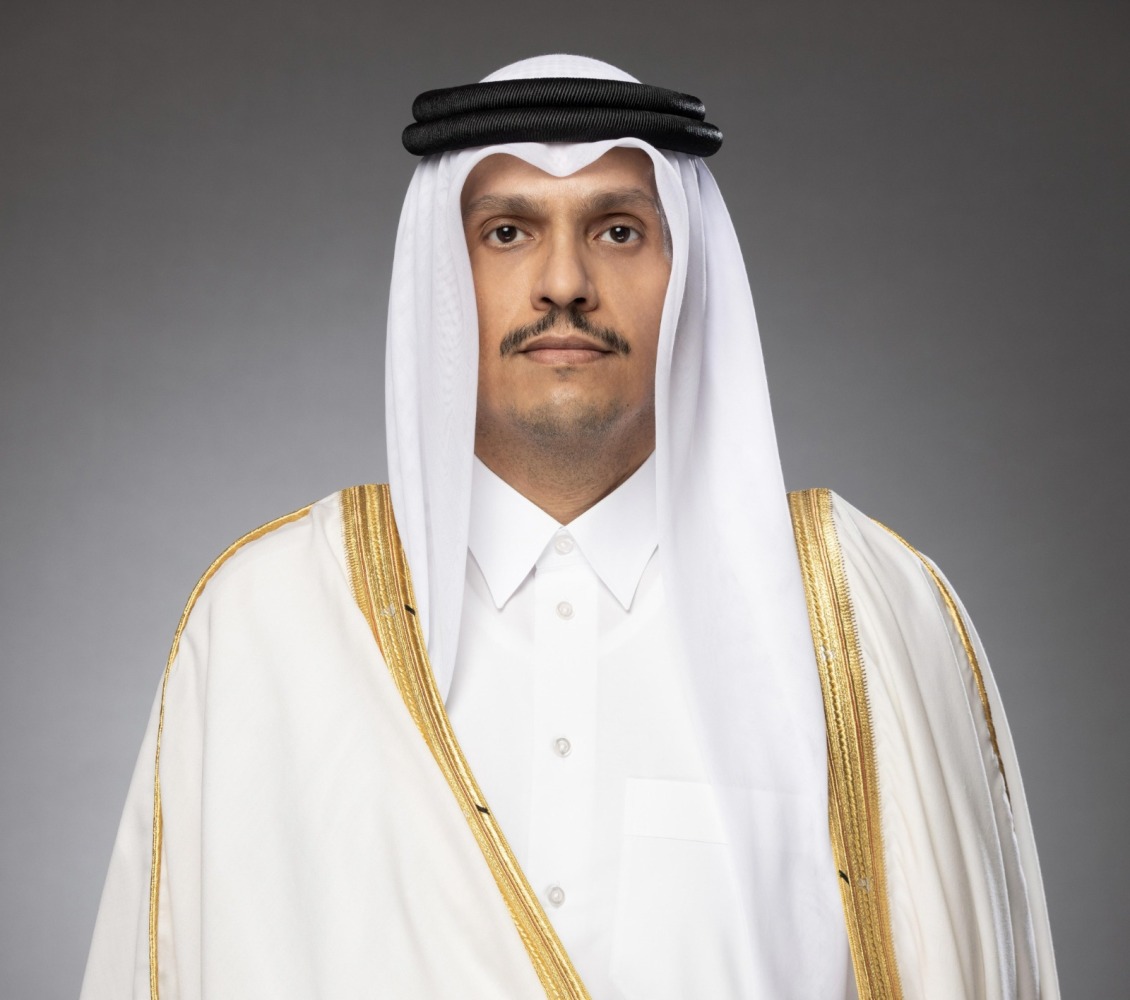

Doha, Qatar – Qatar’s Prime Minister and Minister of Foreign Affairs, Sheikh Mohammed bin Abdulrahman bin Jassim Al Thani, held a phone conversation with Egyptian Foreign Minister, Immigration and Egyptian Expatriates, Dr. Badr Abdelatty, on January 13, 2024. The discussion centered on strengthening Qatar-Egypt relations and addressing the escalating tensions in the Gaza Strip and wider Palestinian territories. Both officials underscored the urgent need for a sustained ceasefire and de-escalation through diplomatic channels.
The call took place amidst ongoing international efforts to solidify the recent truce in Gaza and prevent further regional instability. According to a statement released by the Qatari Ministry of Foreign Affairs, the leaders reviewed existing cooperation between Doha and Cairo and explored avenues for enhanced collaboration. The conversation also focused on the humanitarian crisis unfolding in Gaza and the importance of delivering aid to affected civilians.
Strengthening Qatar-Egypt Ties and Regional Stability
The dialogue between Sheikh Mohammed and Dr. Abdelatty highlights the close strategic partnership between Qatar and Egypt. Both nations have played key roles in mediating regional conflicts, particularly concerning the Israeli-Palestinian situation. This ongoing communication is crucial for coordinating diplomatic initiatives and ensuring a unified approach to complex challenges. Additionally, economic cooperation between the two countries continues to grow, with significant Qatari investment in Egypt.
Focus on the Gaza Ceasefire
A primary focus of the conversation was the fragile ceasefire agreement currently in place in Gaza. Both ministers emphasized the necessity of fully implementing the terms of the truce, including the release of hostages and the provision of humanitarian assistance. The report indicates that they agreed on the importance of intensifying regional and international efforts to achieve a lasting resolution to the conflict.
However, the situation remains volatile. Sporadic clashes and continued tensions threaten to derail the ceasefire. The leaders reportedly discussed potential mechanisms for monitoring the truce and preventing further escalation. They also acknowledged the critical role of international actors in facilitating a sustainable peace process.
Addressing Wider Regional Concerns
Beyond Gaza, the discussion extended to broader regional developments. The officials exchanged views on the potential for wider conflict and the need to de-escalate tensions through dialogue and peaceful means. The situation in the Red Sea, with increasing attacks on commercial vessels, was likely also a topic of concern, given its potential impact on regional stability and global trade. The leaders also likely discussed the ongoing conflicts in Sudan and Yemen, both of which pose significant humanitarian challenges.
In contrast to some regional actors, Qatar and Egypt have consistently advocated for a two-state solution to the Israeli-Palestinian conflict. This position underscores their commitment to a long-term, just, and comprehensive peace. The two countries have also been vocal in their condemnation of violence against civilians and have called for adherence to international law.
The ongoing diplomatic efforts between Qatar and Egypt are part of a wider international push to stabilize the region. The United States, the European Union, and several Arab nations are actively engaged in mediation efforts. The success of these initiatives hinges on the willingness of all parties to engage in good-faith negotiations and prioritize the needs of civilians. The regional conflict requires a multifaceted approach, addressing both the immediate humanitarian crisis and the underlying political issues.
Looking ahead, continued dialogue between Qatar and Egypt is expected. The immediate priority remains solidifying the ceasefire in Gaza and ensuring the uninterrupted delivery of humanitarian aid. However, the long-term prospects for peace remain uncertain. The next few weeks will be critical in determining whether the current truce can be transformed into a more durable and comprehensive agreement. Observers will be watching closely for any signs of renewed escalation and the progress of ongoing international mediation efforts.