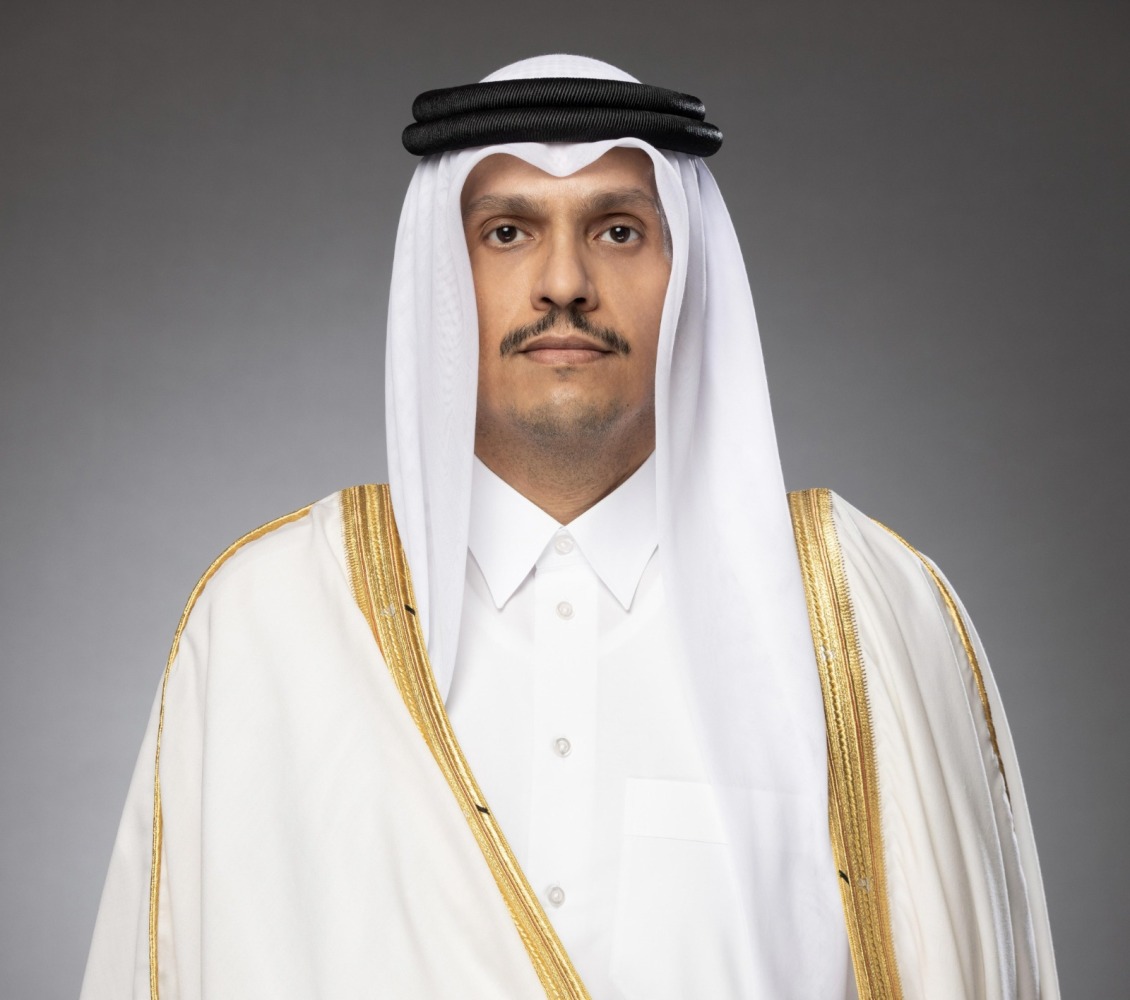

Doha, Qatar – Qatar’s Prime Minister and Minister of Foreign Affairs, Sheikh Mohammed bin Abdulrahman bin Jassim Al-Thani, held a phone conversation with Iraqi Deputy Prime Minister and Minister of Foreign Affairs, Fuad Hussein, on Sunday. The discussion centered on strengthening Qatar-Iraq relations and addressing pressing regional issues. This communication underscores Qatar’s continued diplomatic engagement in the Middle East and its commitment to stability in Iraq.
The phone call, which took place on January 14, 2024, involved a review of existing bilateral ties and exploration of avenues for enhanced cooperation. Both officials also exchanged views on current events impacting the region, according to a statement released by the Qatari Ministry of Foreign Affairs. The conversation highlights the ongoing dialogue between Doha and Baghdad regarding shared interests and challenges.
Strengthening Qatar-Iraq Relations
Qatar has consistently expressed its support for Iraq’s efforts to achieve lasting stability, development, and prosperity. This latest communication reaffirms that commitment. According to previous statements, Qatar views a stable and secure Iraq as crucial for regional peace and security. This support manifests in various forms, including economic investment and diplomatic initiatives.
Economic Cooperation
Recent years have seen increased economic ties between Qatar and Iraq, particularly in the areas of infrastructure development and energy. Qatari investments in Iraq aim to bolster the Iraqi economy and create opportunities for growth. These investments are seen as a key component of Qatar’s broader strategy to support Iraq’s reconstruction efforts.
Regional Stability
The discussion also touched upon broader regional developments, including ongoing conflicts and humanitarian crises. Qatar and Iraq share concerns regarding the potential for instability in the region and are working together to find peaceful resolutions to disputes. This collaboration extends to counter-terrorism efforts and addressing shared security challenges.
However, the specific details of the regional issues discussed during the call were not disclosed. The timing of the conversation is noteworthy, occurring amidst heightened tensions in the Red Sea and ongoing efforts to mediate conflicts in other parts of the Middle East. This suggests a focus on coordinating diplomatic strategies.
Meanwhile, Qatar’s role as a mediator in regional disputes has been increasingly prominent. The country has successfully facilitated talks between various parties in the past, and its continued engagement is seen as vital for de-escalating tensions. This diplomatic approach is a cornerstone of Qatar’s foreign policy.
In contrast to some regional actors, Qatar has maintained open communication channels with a wide range of stakeholders, including those with differing political views. This inclusive approach allows Qatar to play a constructive role in resolving conflicts and promoting dialogue. The country’s neutrality is often cited as a key factor in its success as a mediator.
The Iraqi Foreign Ministry has also emphasized the importance of strengthening ties with Qatar, viewing the relationship as beneficial for both countries. Baghdad seeks to leverage Qatar’s economic strength and diplomatic influence to advance its own national interests. This mutual benefit is driving increased cooperation between the two nations. Diplomatic ties between the two nations have been steadily improving in recent years.
Looking ahead, further discussions between Qatari and Iraqi officials are expected in the coming weeks. These meetings will likely focus on implementing concrete measures to enhance bilateral cooperation and address regional challenges. The success of these efforts will depend on continued political will and a shared commitment to finding peaceful solutions. The evolving geopolitical landscape in the Middle East will undoubtedly shape the future of bilateral relations and regional dynamics, and continued monitoring of these developments is crucial. Further details regarding specific agreements or initiatives stemming from this conversation are anticipated in the near future, though a firm timeline remains uncertain. Qatar’s foreign policy continues to prioritize regional stability.