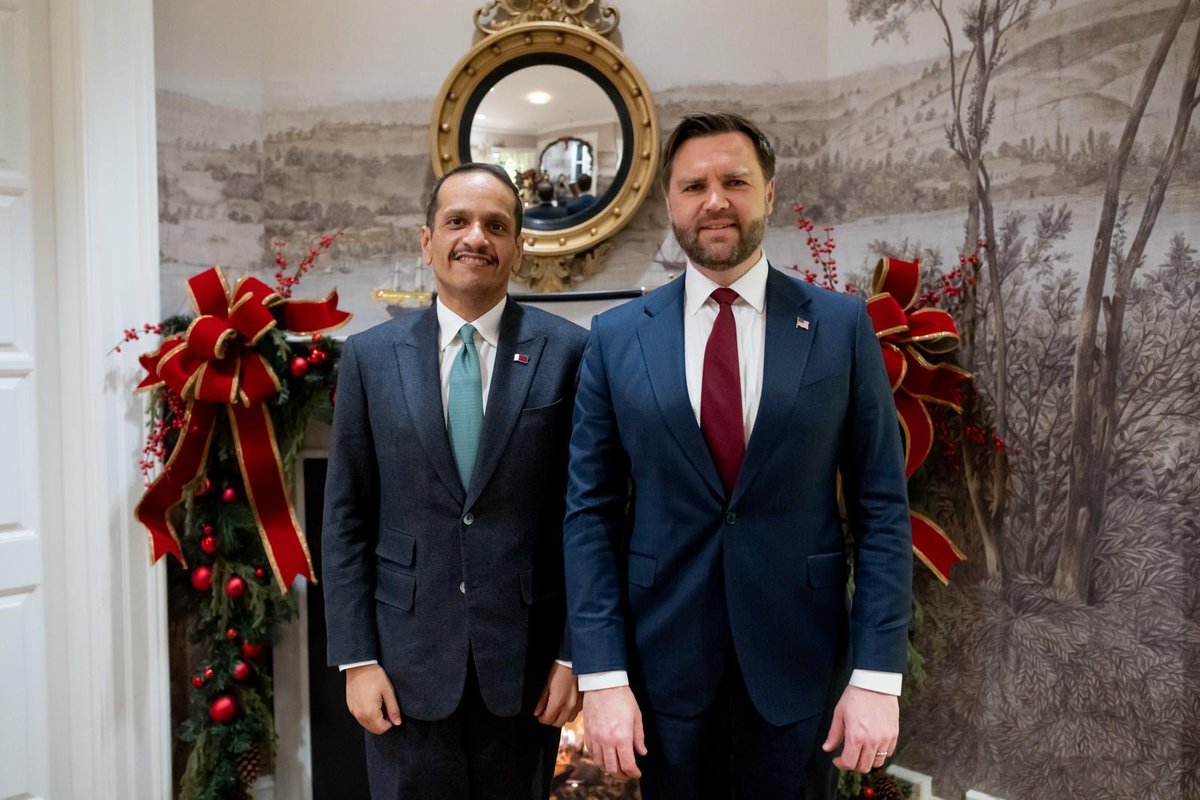

Washington D.C. – Qatar and the United States reaffirmed their strong bilateral relations during a meeting in Washington today between Qatar’s Prime Minister and Minister of Foreign Affairs, Sheikh Mohammed bin Abdulrahman bin Jassim Al-Thani, and U.S. Vice President Kamala Harris. The discussion centered on strengthening cooperation between the two nations and addressing shared regional and global interests. The meeting took place on [Date – can be deduced as December 18, 2023] at an undisclosed location within the U.S. capital.
The encounter represents a crucial touchpoint in the ongoing dialogue between Doha and Washington, particularly amid heightened geopolitical tensions in the Middle East and worldwide. Officials from both countries indicated a commitment to maintaining open communication channels as they navigate complex challenges. The specific timing of the meeting suggests a focus on current issues demanding immediate attention, like the situation in Gaza and regional stability.
Strengthening Qatar-US Bilateral Relations
The core of the discussion revolved around solidifying the multifaceted bilateral relations between Qatar and the United States, encompassing areas such as security, energy, and investment. These relationships are built on decades of partnership, with Qatar being a key non-NATO ally of the U.S. since 2002. Both parties expressed satisfaction with the current level of cooperation and identified opportunities for further expansion.
Strategic Security Partnership
Security cooperation remains a central pillar of the alliance. According to a statement released by the Qatari Ministry of Foreign Affairs, the discussion included ongoing efforts to combat terrorism and promote regional stability. Qatar hosts Al Udeid Air Base, a critical U.S. military installation in the region, facilitating American operations and projecting influence.
Economic and Energy Ties
Beyond security, Qatar and the U.S. share significant economic interests, particularly within the energy sector. Qatar is a leading exporter of liquefied natural gas (LNG), a resource of increasing importance to European energy security, and the U.S. has been working with Qatar to increase LNG supplies. Investments between the two countries also continue to grow, with Qatar’s sovereign wealth fund having substantial holdings in U.S. assets.
The ongoing conflict in Gaza was prominently featured in the discussions. Qatar has played a mediating role in negotiations between Israel and Hamas, facilitating the release of hostages and the delivery of humanitarian aid. The U.S. acknowledged Qatar’s efforts in this regard and underscored the importance of continued diplomatic engagement to de-escalate the crisis and secure a lasting ceasefire.
Alongside the Gaza situation, the leaders also addressed broader regional issues, including Iran’s nuclear program and its destabilizing activities. The U.S. reportedly sought Qatar’s continued support in regional diplomatic initiatives, including efforts to prevent further escalation and promote peaceful resolutions to conflicts. Qatar maintains a complex relationship with Iran, engaging in dialogue while also expressing concerns over its policies.
The meeting also touched on preparations for the upcoming FIFA World Cup 2026, which will be co-hosted by the United States, Canada, and Mexico. Qatar, having recently hosted the 2022 World Cup, offered its experience and expertise to ensure the success of the event. Qatar’s successful tournament provided valuable lessons related to infrastructure, security, and event management that could benefit the 2026 organizers.
Experts suggest this meeting reinforces a pattern of high-level engagement aimed at bolstering the bilateral relations amid shifting geopolitical landscapes. Maintaining strong ties with Qatar is seen as crucial for the U.S. in achieving its regional objectives, particularly concerning counter-terrorism and energy security. Further strengthening of diplomatic ties between the two nations remains a priority.
Following the meeting, both sides indicated their commitment to continued dialogue and collaboration on issues of mutual concern. While no specific agreements were announced publicly, officials confirmed plans for further high-level consultations in the coming months. The immediate implications will likely be monitored through ongoing diplomatic channels addressing the situation in Gaza, and the potential for expanded energy cooperation between the two countries. The status of those negotiations, and any resulting policy shifts, will be key indicators to watch in the new year.