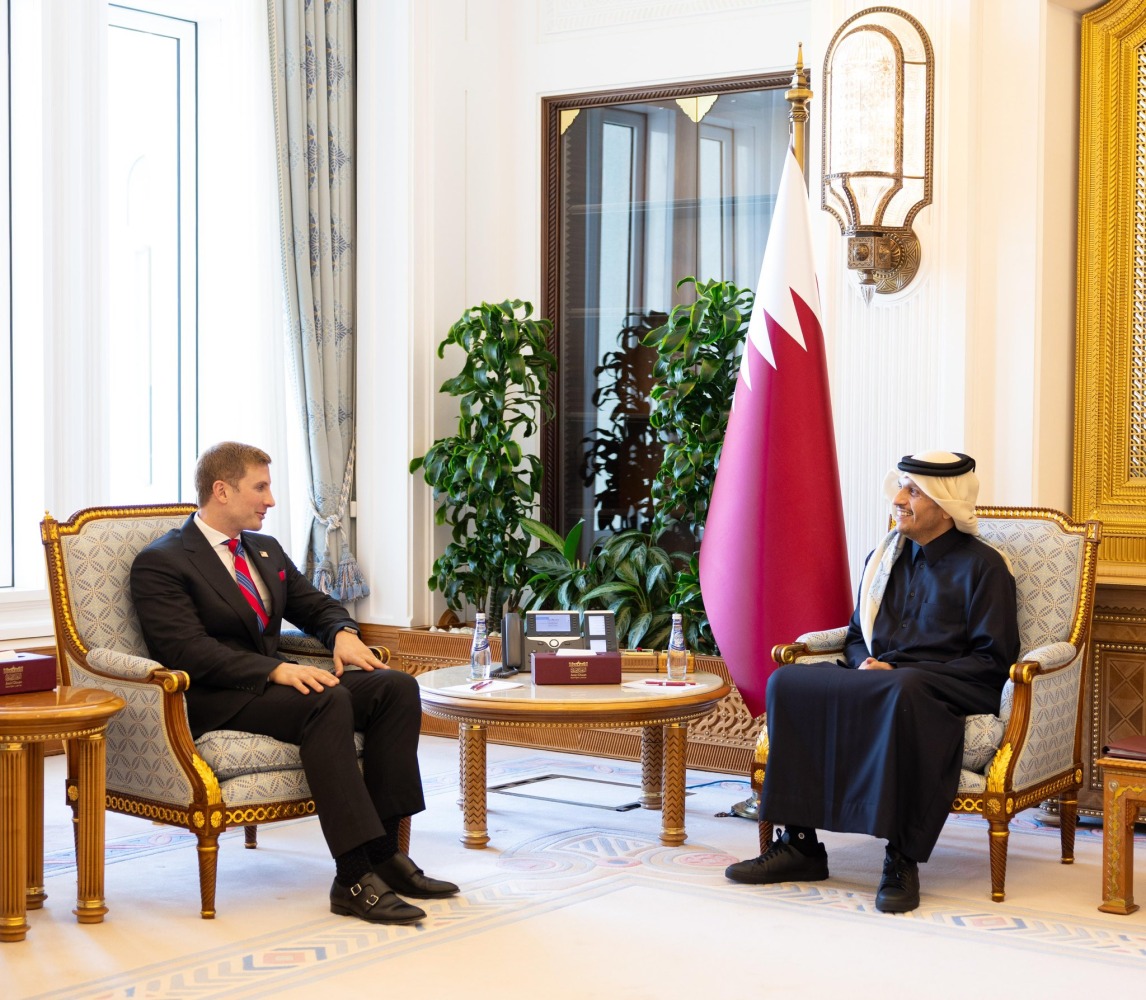

Doha, Qatar – Qatar and the United States reaffirmed their strong strategic partnership during a meeting between Qatari Prime Minister and Minister of Foreign Affairs Sheikh Mohammed bin Abdulrahman bin Jassim Al-Thani and U.S. Under Secretary of State for Economic Affairs Jacob Helberg on January 12, 2026. The discussions focused on bolstering economic ties and addressing mutual interests, signaling continued collaboration between the two nations. This meeting underscores the importance of the U.S.-Qatar relationship in a volatile geopolitical landscape.
The meeting took place in Doha, Qatar, as Helberg conducts a visit to the country. According to a statement released by the Qatari Ministry of Foreign Affairs, the officials reviewed the existing close ties and explored avenues for further strengthening the strategic partnership. Discussions also encompassed a range of topics of common concern, though specific details were not immediately disclosed.
Strengthening the U.S.-Qatar Strategic Partnership
The United States and Qatar have maintained a robust relationship for decades, built on shared security interests and growing economic cooperation. Qatar serves as a key non-NATO ally to the U.S., hosting Al Udeid Air Base, a critical hub for U.S. military operations in the Middle East. This base is central to regional stability and counter-terrorism efforts, making Qatar a vital partner for Washington.
Economic Collaboration and Investment
Beyond security, economic ties are a significant component of the strategic partnership. Qatar has invested heavily in the U.S. economy through the Qatar Investment Authority (QIA), with holdings in various sectors including real estate, technology, and infrastructure. The U.S. is also a major exporter to Qatar, particularly in the areas of defense equipment and machinery.
The visit by Under Secretary Helberg suggests a focus on expanding economic cooperation further. This could involve exploring new investment opportunities, facilitating trade, and addressing potential challenges related to energy markets and global supply chains. Qatar’s role as a major liquefied natural gas (LNG) exporter is particularly relevant given current global energy security concerns.
However, the relationship hasn’t been without complexities. In recent years, Qatar has navigated diplomatic challenges in the region, and the U.S. has sought to balance its relationships with various Gulf states. Despite these hurdles, the consistent high-level engagement, such as this meeting, demonstrates a commitment to maintaining a strong alliance.
Regional Security Discussions
The meeting likely addressed regional security issues, including ongoing conflicts and efforts to de-escalate tensions. Qatar has played a mediating role in several regional disputes, and the U.S. likely sought input on these efforts. The situation in Gaza and broader stability in the Middle East were likely key topics of conversation, given the U.S.’s commitment to regional peace and Qatar’s diplomatic influence.
Additionally, discussions may have touched upon counter-terrorism cooperation and efforts to combat extremist ideologies. Both countries share a common interest in preventing the spread of terrorism and maintaining regional security. The U.S. relies on Qatar’s intelligence sharing and logistical support in these efforts.
Meanwhile, the U.S. and Qatar are also collaborating on issues related to cybersecurity and critical infrastructure protection. As global threats in these areas increase, strengthening cooperation is essential for safeguarding both nations’ interests. This collaboration extends to sharing best practices and developing joint strategies to address emerging challenges.
The strategic partnership between the U.S. and Qatar also extends to areas like education and cultural exchange. These initiatives foster greater understanding and strengthen people-to-people ties, contributing to the long-term sustainability of the relationship. Qatar Foundation, for example, has partnerships with several U.S. universities.
Looking ahead, further details regarding specific agreements or initiatives stemming from the meeting are expected in the coming weeks. The Qatari Ministry of Foreign Affairs and the U.S. State Department will likely release additional statements outlining the outcomes of the discussions. Observers will be watching for any announcements related to new investment projects, security cooperation agreements, or joint diplomatic efforts. The evolving geopolitical landscape and ongoing regional challenges will continue to shape the dynamics of this important alliance.