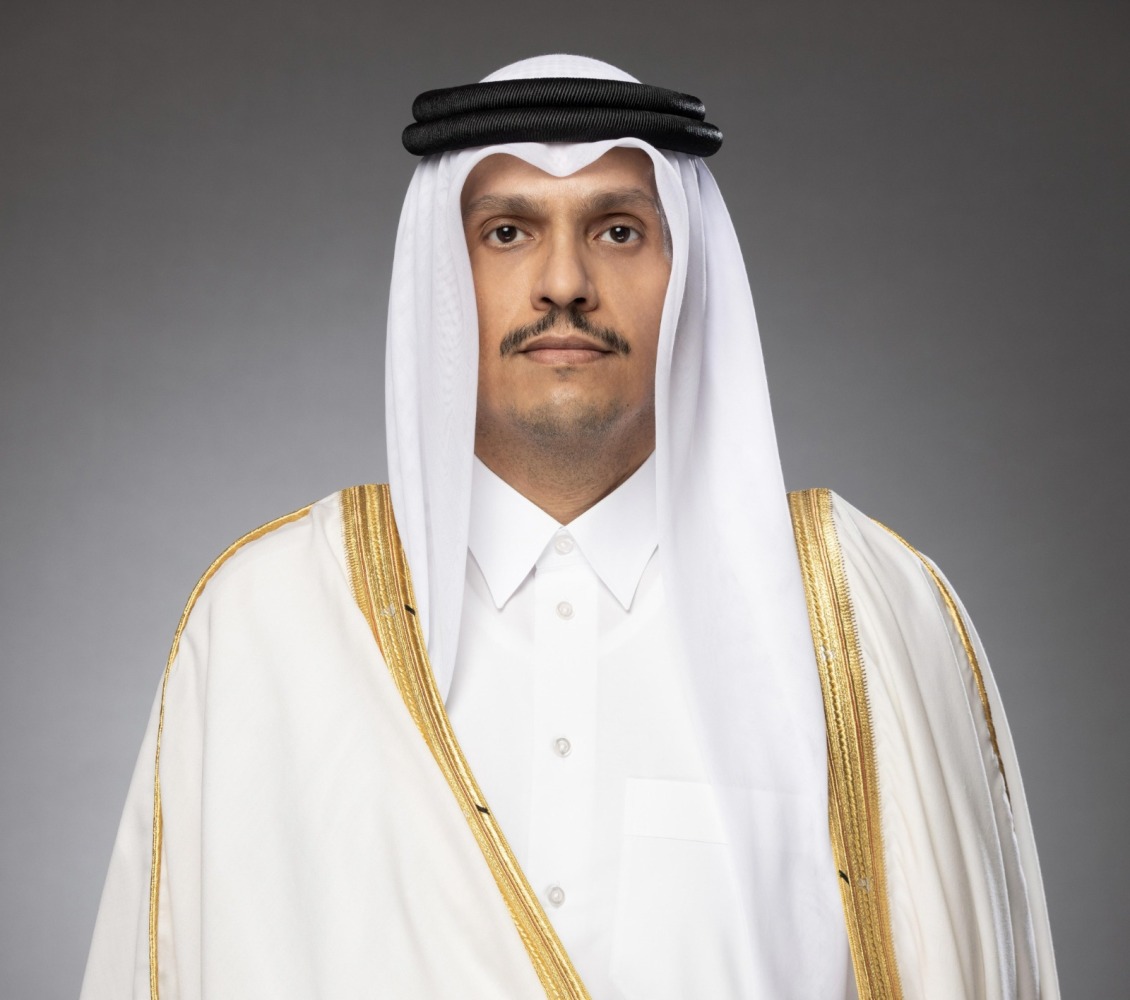

Doha, Qatar – Prime Minister and Minister of Foreign Affairs of Qatar, Sheikh Mohammed bin Abdulrahman bin Jassim Al-Thani, spoke by telephone with Saudi Arabian Foreign Minister Prince Faisal bin Farhan bin Abdullah Al Saud on January 15, 2026. The discussion centered on Qatar-Saudi Arabia relations and collaborative efforts to enhance regional security and stability. This communication underscores the ongoing diplomatic engagement between the two Gulf nations following a period of strained ties.
The call took place as both countries navigate complex geopolitical challenges, including the ongoing conflicts in Yemen and Sudan, and broader concerns about regional security. While details released by the Qatari Ministry of Foreign Affairs were limited, the conversation signals a continued commitment to dialogue and cooperation. This is particularly significant given recent mediation efforts by both nations in various international disputes.
Strengthening Qatar-Saudi Arabia Ties
The focus on bolstering Qatar-Saudi Arabia relations comes after a significant thaw in diplomatic relations in 2021. For several years prior, Saudi Arabia, along with the United Arab Emirates, Bahrain, and Egypt, maintained a blockade against Qatar, alleging support for terrorism – accusations Qatar consistently denied. The lifting of the blockade paved the way for renewed talks and a gradual restoration of economic and political connections.
According to analysts at the Middle East Institute, the recent call is a routine but important part of maintaining momentum in the bilateral relationship. It demonstrates a willingness from both sides to address potential issues proactively and to coordinate policies on matters of mutual concern. This is crucial for the stability of the Gulf Cooperation Council (GCC).
Regional Security Concerns
The discussion regarding regional security likely encompassed several key areas. The situation in Yemen, where both Qatar and Saudi Arabia have been involved in separate diplomatic initiatives, is a primary concern. The ongoing Houthi attacks on commercial shipping in the Red Sea also represent a significant threat to regional stability and trade routes.
Additionally, the ministers likely addressed the evolving dynamics in the Horn of Africa, where both countries are seeking to expand their influence and mediate conflicts. The conflict in Sudan, and the potential for it to destabilize the wider region, was also likely on the agenda. Experts suggest that a unified approach from Qatar and Saudi Arabia is vital for de-escalation and humanitarian assistance in Sudan.
Economic Cooperation and Diversification
Beyond security, economic cooperation is a key pillar of the improving Qatar-Saudi Arabia relations. Both nations are actively pursuing economic diversification strategies, reducing their reliance on hydrocarbon revenues. Collaboration in areas such as tourism, infrastructure development, and investment is expected to increase in the coming years.
The resumption of land and air travel between the two countries has already facilitated increased trade and people-to-people exchanges. Furthermore, joint ventures in the energy sector, including potential investments in renewable energy projects, are being explored. This economic partnership is seen as a way to strengthen their respective economies and promote regional growth.
However, challenges remain. Differing perspectives on certain regional issues, such as the role of political Islam, could potentially create friction. Maintaining a consistent dialogue and finding common ground will be essential for overcoming these obstacles. The normalization of relations with other regional actors, like Iran, also presents a complex dynamic that requires careful management.
The ministers’ conversation also comes amidst ongoing global efforts to mediate a lasting ceasefire in Gaza. While not explicitly mentioned in the official statement, it is reasonable to assume that the situation in Palestine was discussed, given both countries’ active diplomatic roles in the region. Qatar has been a key mediator in negotiations between Israel and Hamas, while Saudi Arabia has been advocating for a two-state solution.
Looking ahead, further high-level meetings between Qatari and Saudi officials are anticipated in the near future. The next major opportunity for dialogue will be the upcoming GCC summit, where leaders are expected to discuss a range of regional issues and reaffirm their commitment to cooperation. The success of these efforts will depend on continued political will and a shared understanding of the challenges facing the region. The long-term impact of this renewed partnership on broader Gulf politics remains to be seen.
Middle East Institute provides further analysis on regional dynamics. The Gulf Cooperation Council website offers information on GCC initiatives. Council on Foreign Relations also provides insights into Middle Eastern affairs.