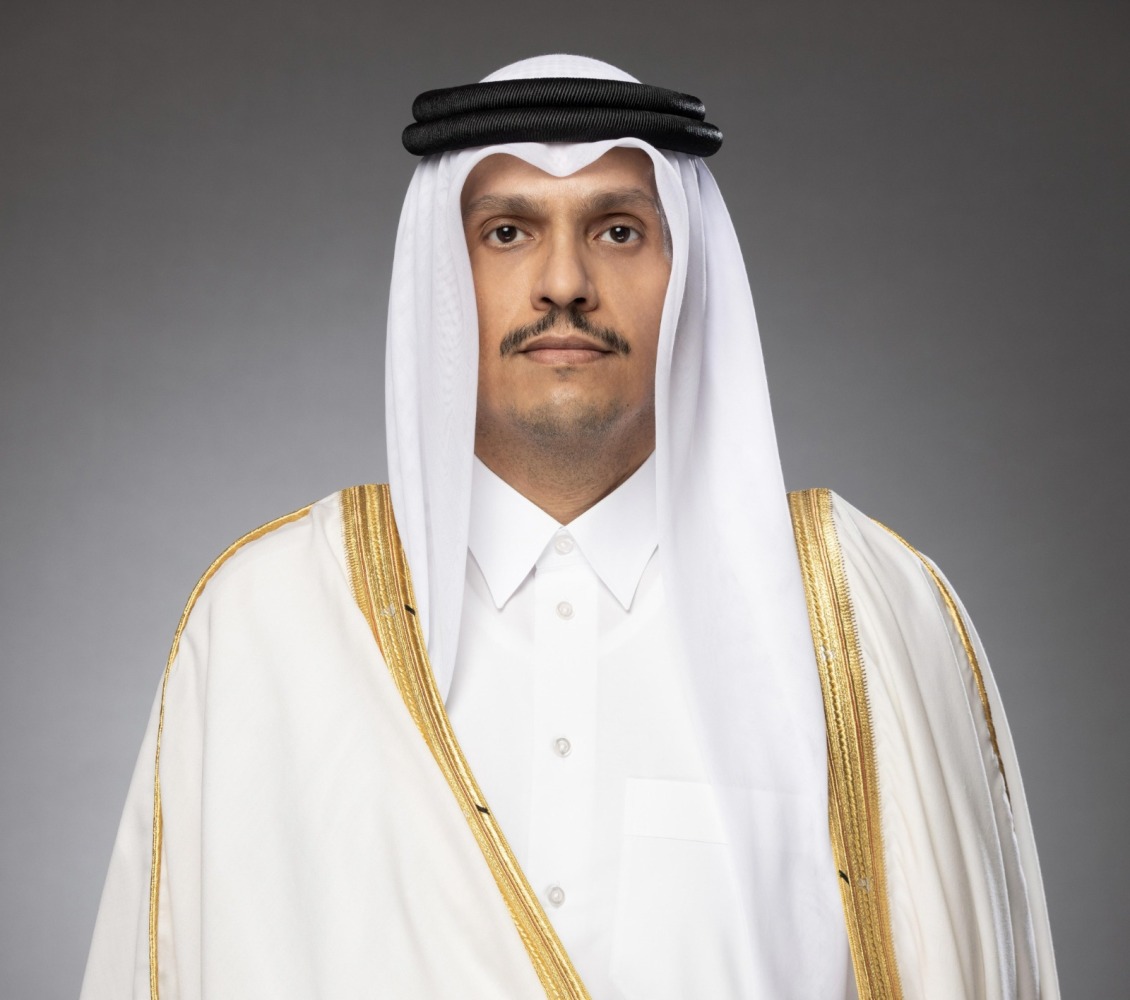

Doha, Qatar – Qatar’s Prime Minister and Minister of Foreign Affairs, Sheikh Mohammed bin Abdulrahman bin Jassim Al-Thani, held a phone conversation with Iranian Foreign Minister Dr. Abbas Araghchi on Monday, focusing on bilateral Qatar-Iran relations and regional stability. The discussion underscored the importance of continued dialogue and cooperation amidst ongoing conflicts in Gaza, the Palestinian territories, and Lebanon. This communication signals Qatar’s ongoing diplomatic efforts to de-escalate tensions in the Middle East.
The call, which took place on January 13th, addressed strengthening ties between Doha and Tehran, as well as pressing regional concerns. According to a statement released by the Qatari Ministry of Foreign Affairs, both ministers emphasized the necessity of coordinated international action to solidify the ceasefire agreements currently in effect and to foster lasting peace. The conversation reflects Qatar’s position as a key mediator in regional disputes.
Strengthening Qatar-Iran Relations
The discussion regarding Qatar-Iran relations comes as both nations have sought to improve diplomatic and economic ties in recent years, despite regional complexities. While historically strained due to differing geopolitical alignments, Qatar and Iran share crucial economic interests, particularly in energy and trade. This latest communication suggests a continued commitment to pragmatic engagement.
Economic Cooperation
Qatar and Iran maintain a shared gas field, the North Field/South Pars, which is a significant source of revenue for both countries. Cooperation on this field, and related energy projects, is a key component of their bilateral relationship. Additionally, trade between the two nations has seen growth, particularly in areas like construction materials and food supplies.
However, the relationship isn’t without its challenges. Regional rivalries and differing stances on conflicts like the Syrian civil war have historically created friction. Qatar’s close alliance with the United States also adds a layer of complexity to its dealings with Iran. Nevertheless, both countries appear to recognize the benefits of maintaining open channels of communication.
Regional Security Concerns
A significant portion of the conversation centered on the deteriorating security situation in Gaza, the occupied Palestinian territories, and Lebanon. Qatar has been a vocal advocate for a lasting ceasefire in Gaza and has played a crucial role in mediating negotiations between Israel and Hamas. The ministers reportedly stressed the urgent need for full implementation of existing agreements to prevent further escalation.
The situation in Lebanon, particularly the ongoing clashes between Hezbollah and Israeli forces, also received attention. Qatar has consistently called for restraint and a diplomatic solution to prevent the conflict from widening. The ministers agreed on the importance of regional and international collaboration to address the root causes of instability and promote a comprehensive peace process. Diplomatic efforts are seen as crucial to preventing a wider regional war.
Meanwhile, the ongoing Houthi attacks in the Red Sea, impacting global shipping, were likely discussed as a contributing factor to regional instability, though not explicitly mentioned in the official statement. These attacks have prompted international naval deployments and raised concerns about supply chain disruptions. Qatar has called for de-escalation and a resolution to the conflict in Yemen, which is linked to the Red Sea crisis.
In contrast to some other regional actors, Qatar maintains open communication channels with a wide range of parties, including Hamas and Iran. This allows Doha to play a unique mediating role, facilitating dialogue and seeking common ground. Qatar’s foreign policy prioritizes dialogue and conflict resolution, aiming to contribute to regional stability.
Looking ahead, further diplomatic engagements between Qatar and Iran are anticipated, particularly regarding the implementation of ceasefire agreements and the pursuit of a broader regional settlement. The success of these efforts remains uncertain, dependent on the willingness of all parties to engage constructively. Observers will be watching for any concrete steps taken to address the underlying causes of conflict and to promote sustainable peace in the region. Middle East Monitor provides additional coverage of this event.
Reuters also reported on the phone call.
Further analysis of regional conflicts can be found at The Council on Foreign Relations.