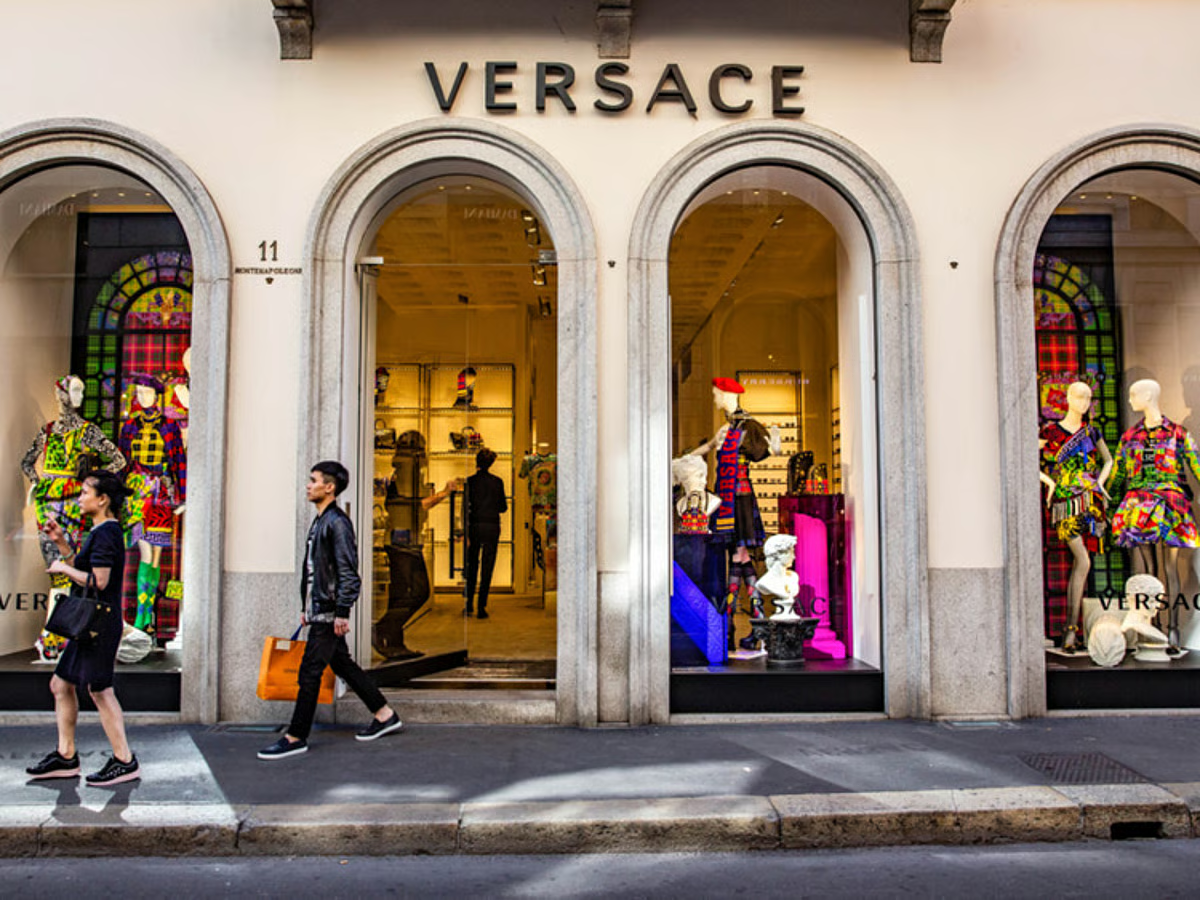

Capri Holdings, the parent company of brands including Michael Kors, Jimmy Choo, and formerly Versace, announced the completion of its sale of the Italian fashion house to investment firm PIMCO on March 29, 2024. The move is expected to significantly improve Capri Holdings’ financial position and allow for reinvestment in core brands. The transaction, valued at $1.8 billion, concludes a period of strategic adjustments for the luxury conglomerate.
The sale of Versace, initially announced in October 2023, was subject to regulatory approvals and closing conditions. With those now met, Capri Holdings intends to dedicate the substantial proceeds to reducing its existing debt burden. This strategic shift aims to bolster the company’s balance sheet and provide increased operational flexibility in a competitive market.
Strengthening Capri Holdings’ Financial Position Through Debt Reduction
Capri Holdings’ Chairman and CEO, John D. Idol, stated the primary intention of the sale is debt repayment. The company plans to use the majority of the $1.8 billion to substantially lower its outstanding liabilities, a decision applauded by financial analysts observing the luxury retail sector. Reducing debt is a common strategy for companies facing economic headwinds or seeking to fund future growth initiatives.
High debt levels can constrain a company’s ability to invest in research and development, marketing, and potential acquisitions. Additionally, substantial interest payments reduce profitability. By addressing its debt, Capri Holdings aims to alleviate these pressures and position itself for long-term success.
The Background of the Versace Sale
The decision to sell Versace wasn’t entirely unexpected, as Capri Holdings had been under pressure from activist investors to improve performance. The company acquired Versace in 2018 as part of a broader effort to diversify its brand portfolio. However, integrating the high-end Italian brand proved challenging, with Versace experiencing slower growth compared to Michael Kors and Jimmy Choo.
According to reports from the time of the announcement, concerns surrounding Versace’s profitability and its alignment with Capri’s overall strategy played a key role in the sale. The luxury market has also seen increased volatility, prompting companies to reassess their portfolios and focus on brands with the highest growth potential.
Impact on Capri’s Remaining Brands
The divestiture of Versace allows Capri Holdings to concentrate resources on its two core brands: Michael Kors and Jimmy Choo. The company has announced plans to increase investment in these brands, focusing on product innovation, marketing campaigns, and enhancing the customer experience. This strategic focus aligns with broader trends in the luxury goods industry toward brand consolidation and targeted marketing.
Analysts suggest that Michael Kors, in particular, is poised for growth with a renewed emphasis on its core aesthetic and expansion into new product categories. Jimmy Choo is also expected to benefit from increased attention and investment, leveraging its strong brand recognition in footwear and accessories.
The sale also frees up capital for potential strategic acquisitions in the future, though Capri leadership has emphasized debt reduction and organic growth as the immediate priorities. This flexibility is particularly valuable in a rapidly evolving retail landscape undergoing significant market changes.
Financial Flexibility and Future Outlook
Beyond debt reduction, Capri Holdings expects the transaction to significantly improve its financial flexibility. A lower leverage ratio provides greater capacity to pursue growth opportunities and withstand economic downturns. The change is anticipated to be viewed favorably by credit rating agencies.
The company’s financial statements for the next quarter will offer a comprehensive view of the impact of the Versace sale. Investors will be closely scrutinizing these results to assess the effectiveness of the debt repayment strategy and the outlook for Michael Kors and Jimmy Choo. Experts anticipate a positive influence on Capri’s earnings per share.
While the sale of Versace marks a significant shift for Capri Holdings, the company remains a prominent player in the global luxury market. However, navigating shifting consumer preferences and maintaining brand relevance will continue to be key challenges. The company’s ability to execute its strategy for Michael Kors and Jimmy Choo will ultimately determine its success.
The completion of the transaction followed standard regulatory reviews, including those related to antitrust and foreign investment. PIMCO, as the new owner of Versace, intends to invest in the brand to accelerate its growth and reinforce its position in the high-fashion sector. This includes further expanding Versace’s digital presence and exploring new retail partnerships.
The broader implications for the luxury retail industry remains to be seen, but the deal highlights the importance of financial discipline and strategic brand management. Other luxury conglomerates may consider similar portfolio adjustments to optimize their performance and adapt to changing market conditions.
Looking ahead, Capri Holdings is focused on delivering sustainable, long-term value to its shareholders. The company expects to provide further updates on its financial progress and growth initiatives during its upcoming earnings calls. Key performance indicators to watch include sales growth for Michael Kors and Jimmy Choo, gross margin trends, and the pace of debt reduction.