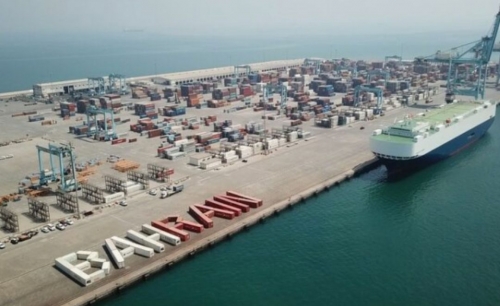

Khalifa bin Salman Port (KBSP) in Manama, Bahrain, demonstrated mixed performance in October, according to the latest data released by the Ministry of Transportation and Telecommunications. While container traffic saw a slight increase, general cargo volumes experienced a notable decline. This report delves into the specifics of the port’s activity, examining the trends in container handling, cargo types, and regulatory oversight, providing a comprehensive overview of Bahrain port activity for the month.
Container Traffic Shows Modest Growth at Khalifa bin Salman Port
The port handled 37,473 standard containers in October, representing a 0.997% increase compared to the same period last year. This modest growth indicates continued, albeit slow, expansion in containerized trade passing through KBSP. This is a positive sign for Bahrain’s economy, suggesting sustained demand for goods and services.
However, the overall picture is more nuanced when considering other cargo types. The port also welcomed 64 ships during the month and processed 3,872 vehicles. These figures contribute to the overall bustling nature of the port, despite fluctuations in specific cargo categories.
Regulatory Activities and Licensing
The Ports and Maritime Navigation Affairs unit remained active in its regulatory role. During October, the unit issued 29 commercial licenses, demonstrating ongoing support for maritime businesses operating within Bahrain. Furthermore, 227 ship departure certificates were granted, ensuring compliance with international maritime standards. Ten inspection visits were also conducted, reinforcing the commitment to safety and operational efficiency.
Decline in General Cargo Volumes
A significant downturn was observed in general cargo, which decreased by 30.72% to 25,384 tonnes. This decline warrants further investigation to understand the underlying causes. Potential factors could include shifts in regional trade patterns, changes in commodity prices, or increased competition from other regional ports. Understanding these dynamics is crucial for developing strategies to revitalize general cargo throughput.
Liquid and Solid Cargo Experience Significant Increases
Despite the drop in general cargo, other cargo segments showed strong performance. Liquid cargo volumes surged to 1,634,495.19 metric tonnes in October, a substantial increase from 813,241.78 metric tonnes in October of the previous year. Similarly, solid cargo reached 2,903,658.004 metric tonnes, up from 2,118,320 metric tonnes.
These increases in liquid and solid cargo suggest a growing demand for these commodities within Bahrain and potentially for re-export to neighboring countries. This positive trend highlights the port’s capacity to handle diverse cargo types and its importance as a regional logistics hub. The growth in these sectors is a key indicator of Bahrain’s economic diversification efforts.
Oversight of Private Berths and Maritime Businesses
Ports and Maritime Navigation Affairs plays a vital role in regulating maritime business activity, including the licensing and supervision of private berths. These berths are essential for supporting various industries and passenger transport operations. The unit ensures that all private berths adhere to stringent technical and operating rules, as well as safety, security, and environmental standards.
This rigorous oversight is critical for maintaining the integrity of Bahrain’s maritime infrastructure and protecting the marine environment. Regular checks are conducted to verify compliance and address any potential issues proactively. This commitment to safety and sustainability is a cornerstone of maritime logistics in Bahrain.
Future Outlook and Continued Monitoring
The October data from Khalifa bin Salman Port presents a mixed picture. While container traffic shows modest growth and liquid/solid cargo volumes are increasing, the decline in general cargo requires attention. Continued monitoring of these trends is essential for informed decision-making and strategic planning.
The Ministry of Transportation and Telecommunications’ commitment to regulatory oversight and infrastructure development will be crucial in ensuring the long-term success of KBSP. Further analysis of the factors influencing cargo volumes will help identify opportunities for growth and address potential challenges. Ultimately, maintaining a competitive and efficient port is vital for supporting Bahrain’s economic growth and its position as a key player in regional trade.