





By using this site, you agree to the Privacy Policy and Terms of Use.
Accept
Gulf PressGulf Press
  • Home
  • Gulf News
  • World
  • Business
  • Technology
  • Sports
  • Lifestyle
Search
Countries
More Topics
  • Health
  • Entertainment
Site Links
  • Customize Interests
  • Bookmarks
  • Newsletter
  • Terms
  • Press Release
  • Advertise
  • Contact
© 2023 Gulf Press. All Rights Reserved.
Reading: Polar bears at increased risk of disease in a warming Arctic
Share
Notification Show More
Latest News
Community College of Qatar to introduce new programmes
Gulf
Will France face early elections amid government instability?
World
Trips via ride-hailing apps in Saudi Arabia surge 54% to 43 million during Q4 2025
Gulf
Second Gulf-European Cultural Forum kicks off at Katara
Gulf
Committee on Enhancing Institutional Performance Proposes Changes: Al-Awadhi Requests Withdrawal, Shwaiter Seeks Membership
Gulf
Aa
Gulf PressGulf Press
Aa
  • Gulf News
  • World
  • Business
  • Entertainment
  • Lifestyle
  • Sports
Search
  • Home
  • Gulf
  • Business
  • More News
    • World
    • Technology
    • Lifestyle
    • Entertainment
    • Sports
Have an existing account? Sign In
Follow US
  • Terms
  • Press Release
  • Advertise
  • Contact
© 2023 Gulf Press. All Rights Reserved.
Gulf Press > Lifestyle > Polar bears at increased risk of disease in a warming Arctic
Lifestyle

Polar bears at increased risk of disease in a warming Arctic

News Room
Last updated: 2024/10/24 at 6:01 AM
News Room
Share
4 Min Read
SHARE

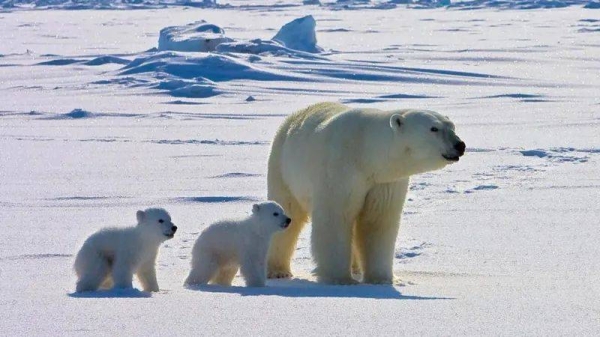
The Arctic is warming, posing a growing risk to polar bears as they face an increased likelihood of contracting viruses, bacteria, and parasites that were not as prevalent 30 years ago. A recent study conducted in the Chukchi Sea, between Alaska and Russia, revealed that blood samples from polar bears taken between 1987 and 1994 showed fewer signs of infections compared to samples collected between 2008 and 2017. Researchers found that more recent blood samples contained chemical signals indicating that the bears had been infected with five different pathogens. This research sheds light on how polar bear health could be linked to the loss of sea ice in the Arctic.

The study focused on six pathogens, including viruses, bacteria, and parasites, that are typically associated with land animals but have been found in marine animals as well. Over the three decades covered in the study, there was a noticeable decline in sea ice and increased land use in the population of polar bears examined. This led researchers to investigate whether the bears were being exposed to new pathogens, particularly those normally found in terrestrial environments. The pathogens identified in the study included toxoplasmosis and neosporosis-causing parasites, rabbit fever and brucellosis-causing bacteria, and canine distemper virus.

Despite polar bears being resilient to disease, the shift in exposure to these pathogens suggests a changing environment in the Arctic. With only an estimated 26,000 polar bears remaining in the world, conservation efforts are crucial to their survival. Climate change is a significant threat to polar bear populations, with loss of sea ice impacting their ability to hunt for food. As top predators, polar bears primarily acquire pathogens through their prey species. The changes observed in pathogen exposure in polar bears could also be affecting other species in the Arctic ecosystem.

The International Union for Conservation of Nature has listed polar bears as vulnerable to extinction, highlighting the urgent need for action to protect these iconic animals. Previous research using collar cameras on polar bears has shown that they struggle to find sufficient food when sea ice is unavailable for hunting. The findings of this study suggest that the health of polar bears and other Arctic species are closely interconnected. As the Arctic continues to undergo significant changes due to climate change, understanding the impact on wildlife health is crucial for conservation efforts.

In conclusion, the research on polar bear diseases in the Arctic serves as a warning sign of the broader impacts of climate change on wildlife. The increasing exposure of polar bears to pathogens previously associated with terrestrial animals underscores the interconnected nature of ecosystems and the need for comprehensive conservation strategies. With the Arctic warming at a rapid pace, efforts to mitigate the effects of climate change and protect vulnerable species like polar bears are more important than ever. By understanding and addressing the health challenges facing polar bears, researchers and conservationists can work towards safeguarding the future of these majestic creatures in a changing Arctic landscape.


Sign Up For Daily Newsletter

Be keep up! Get the latest breaking news delivered straight to your inbox.
I have read and agree to the terms & conditions
By signing up, you agree to our Terms of Use and acknowledge the data practices in our Privacy Policy. You may unsubscribe at any time.
News Room October 24, 2024
Share this Article
Facebook Twitter Copy Link Print
Previous Article GBP/USD trading below 1.2950 near 10-week lows, waiting for PMI figures
Next Article Criminal Case Dismissed Due to Appellant’s Death
Leave a comment Leave a comment

Leave a Reply Cancel reply

Your email address will not be published. Required fields are marked *

Stay Connected

235.3k Followers Like
69.1k Followers Follow
56.4k Followers Follow
136k Subscribers Subscribe
- Advertisement -
Ad imageAd image

Latest News

Community College of Qatar to introduce new programmes
Gulf January 12, 2026
Will France face early elections amid government instability?
World January 12, 2026
Trips via ride-hailing apps in Saudi Arabia surge 54% to 43 million during Q4 2025
Gulf January 12, 2026
Second Gulf-European Cultural Forum kicks off at Katara
Gulf January 12, 2026

You Might also Like

Lifestyle

Andrea Bocelli, Mariah Carey to headline Milan Cortina Winter Olympics opening ceremony

January 11, 2026

First China–Oman Cultural Exchange Flagship By the National Museum of Oman

January 9, 2026
Lifestyle

Studies flag link between food preservatives and cancer, type 2 diabetes

January 8, 2026
Lifestyle

Skip the fads: What health experts say actually works as 2026 begins

January 3, 2026
Lifestyle

George Clooney and his wife Amal obtain French citizenship

December 30, 2025
Lifestyle

George Clooney and wife Amal obain French citizenship 

December 30, 2025
Lifestyle

K-pop band NewJeans breaks up after bitter feud with record label

December 30, 2025
Lifestyle

Brigitte Bardot, legendary French film star who gave up movies for animal rights, dies at 91

December 29, 2025
//

Gulf Press is your one-stop website for the latest news and updates about Arabian Gulf and the world, follow us now to get the news that matters to you.

Quick Link

  • Privacy Policy
  • Terms of ue
  • Advertise
  • Contact

How Topics

  • Gulf News
  • International
  • Business
  • Lifestyle

Sign Up for Our Newsletter

Subscribe to our newsletter to get our latest news instantly!

I have read and agree to the terms & conditions
Gulf PressGulf Press
Follow US

© 2023 Gulf Press. All Rights Reserved.

Join Us!

Subscribe to our newsletter and never miss our latest news, podcasts etc..

I have read and agree to the terms & conditions
Zero spam, Unsubscribe at any time.

Removed from reading list

Undo
Welcome Back!

Sign in to your account

Lost your password?