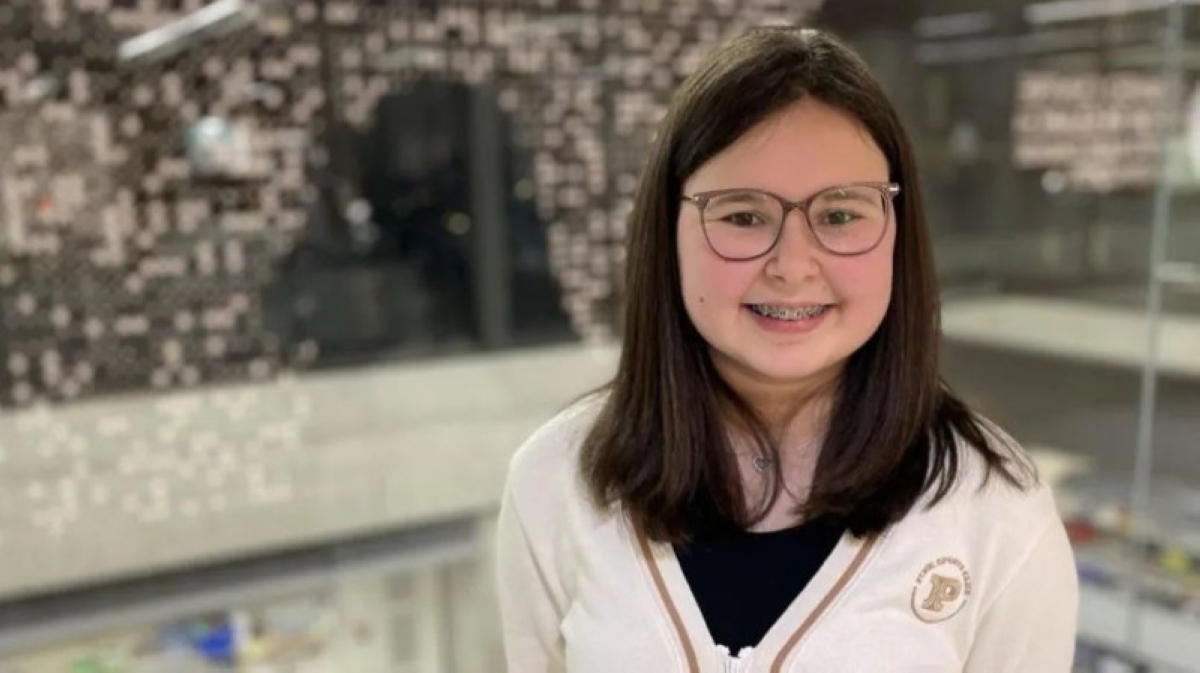

A groundbreaking gene-editing therapy is showing remarkable success in reversing aggressive and previously incurable blood cancer in a small group of patients, offering new hope for those with limited treatment options. Developed by researchers at University College London (UCL) and Great Ormond Street Hospital, the treatment modifies a patient’s own immune cells to target and destroy cancerous T-cells. Initial results, published in the New England Journal of Medicine, demonstrate significant remission rates, with one of the first patients now planning a career in cancer research.
The clinical trial, conducted at Great Ormond Street and King’s College Hospital in London, involved 11 patients diagnosed with T-cell acute lymphoblastic leukaemia, a particularly aggressive form of blood cancer. These individuals had exhausted conventional treatments like chemotherapy and bone marrow transplants, leaving them with a grim prognosis. The new approach represents a significant shift in cancer treatment, moving towards personalized medicine and gene manipulation.
How Gene Editing is Transforming Blood Cancer Treatment
The innovative therapy utilizes a technology called base editing, which allows scientists to precisely alter DNA sequences. Unlike earlier gene-editing techniques, base editing doesn’t cut the DNA strand, reducing the risk of unintended consequences. This precision is crucial when modifying cells for therapeutic purposes, according to the research team.
The Process of Cellular Reprogramming
Researchers begin by taking healthy T-cells from a donor. These cells are then genetically modified through three key edits. First, a targeting mechanism is disabled to prevent the cells from attacking the patient’s body. Secondly, a chemical marker, CD7, present on all T-cells is removed. This is vital as it prevents the engineered cells from self-destructing. Finally, an “invisibility cloak” is added to shield the cells from chemotherapy drugs, while simultaneously instructing them to seek out and destroy cells displaying the CD7 marker – present on the cancerous T-cells.
The modified cells are infused into the patient, with the goal of eradicating the leukaemia. If the cancer becomes undetectable after four weeks, the patient then receives a bone marrow transplant to rebuild a healthy immune system. This process of dismantling and then rebuilding the immune system is intensely challenging for patients, requiring extended hospital stays and careful monitoring for infection.
According to the study, 64% of the patients achieved remission, allowing them to proceed to a bone marrow transplant. Seven patients remain disease-free, ranging from three months to three years post-treatment. However, the researchers noted challenges, including cases where the leukaemia developed resistance to the therapy by losing its CD7 marker. This highlights the potential for cancer cells to evolve and evade treatment.
While the therapy shows promise, it’s not without risk. One of the most significant concerns is the potential for severe infections while the patient’s immune system is suppressed. The treatment is also demanding, requiring a prolonged hospitalization and specialized care. Researchers are working to mitigate these risks and improve the overall safety profile of the therapy. The development is also pushing forward the field of cellular immunotherapy.
Dr. Tania Dexter, senior medical officer at Anthony Nolan, commented that considering the low survival rates of these patients before the trial, the results offer significant hope for advancements in similar treatments. Dr. Robert Chiesa of Great Ormond Street Hospital emphasized the striking clinical results, stating the therapy offered hope to patients who had exhausted all other options.
Looking ahead, researchers plan to expand the trial to include a larger and more diverse patient population. They are also investigating ways to overcome the issue of CD7 loss and enhance the effectiveness of the gene-edited T-cells. Further studies are needed to determine the long-term durability of the remissions and to assess the potential for this therapy to be applied to other types of cancer. The team anticipates presenting updated results within the next two years, and will continue to monitor patients for any signs of relapse or long-term side effects.