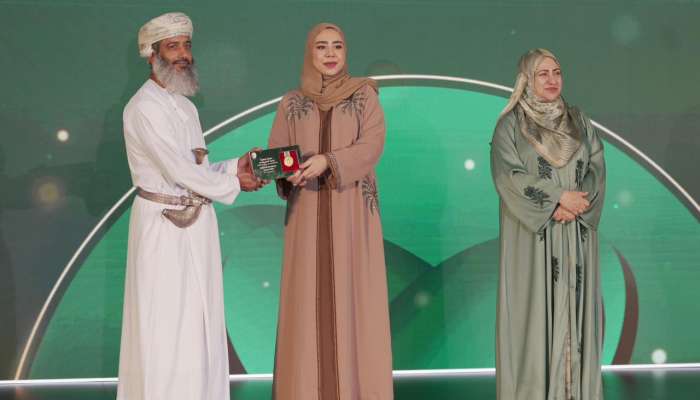

A groundbreaking research project focused on 3D bioprinted wound dressings has earned top honors at the 2025 National Award for Scientific Research in Oman. This innovative work, led by Dr. Sulaiman bin Ali Al Hashmi from the University of Nizwa, promises a new era in regenerative medicine and offers hope for improved treatment of chronic wounds, a growing concern within the Sultanate.
Pioneering 3D Bioprinted Wound Care
The research, presented at the Annual Researchers Forum under the theme “Research Published… Visions Realised,” tackles a significant challenge in healthcare: the effective treatment of chronic wounds, particularly those stemming from diabetic complications. Oman has seen a rise in diabetes cases, leading to increased healthcare demands and a pressing need for advanced wound care solutions. Traditional methods often focus on protecting the wound, but this project aims to actively stimulate the body’s natural healing processes.
The Science Behind the Innovation
Dr. Al Hashmi explained that the concept originated from extensive investigation into stem cells and tissue engineering. The team recognized a critical gap in existing wound care – the lack of a dynamic environment that actively promotes tissue regeneration. By leveraging the power of 3D bioprinting, they developed a bioactive dressing designed to create precisely that environment. This advanced approach moves beyond simply covering the wound to actively encouraging faster and more complete healing.
A Novel Bioactive Dressing Formulation
The newly developed dressing is fabricated from carboxymethyl chitosan and incorporates the drug Tacrolimus. This combination represents a significant advancement in wound management. Unlike conventional dressings, this innovative material doesn’t just provide a protective barrier; it actively modulates inflammation, encourages tissue renewal, and allows for controlled drug release. This multifaceted approach is designed to maximize therapeutic efficiency and improve patient outcomes.
Preliminary results from laboratory studies and animal models have been highly encouraging, demonstrating accelerated wound closure and reduced inflammation. However, Dr. Al Hashmi emphasized that the treatment is still experimental. Rigorous safety studies and comprehensive clinical testing are essential next steps before it can be made available to patients. The team is committed to a thorough and responsible development process.
Overcoming Research Challenges
The project wasn’t without its hurdles. Developing a biocompatible material suitable for bioprinting proved technically complex. Additionally, the team faced limitations in accessing the specialized infrastructure required to transition research from the laboratory to potential clinical applications. However, these challenges ultimately strengthened their research methodology and fostered a collaborative spirit within the team.
Dr. Al Hashmi highlighted the importance of specialized research laboratories in building a robust national research ecosystem. The Stem Cell and Regenerative Medicine Laboratory at the University of Nizwa operates on a foundation of interdisciplinary expertise, where every success is viewed as a collective achievement. This collaborative environment is crucial for driving innovation and translating scientific discoveries into real-world solutions.
Investing in Future Omani Researchers
The laboratory also prioritizes nurturing young Omani talent, recognizing that investing in the next generation of scientists is vital for the long-term sustainability of scientific inquiry. Plans are underway to attract more early-career researchers and expand both local and international research partnerships. This commitment to mentorship and collaboration will ensure a continued pipeline of innovation.
Looking Ahead: Expanding Regenerative Medicine Research
Dr. Al Hashmi’s future research will focus on deepening work in regenerative medicine and stem cell science. He aims to refine current therapeutic models and build strong national research teams capable of delivering tangible scientific impact. The ultimate goal is to translate laboratory discoveries into practical treatments that benefit patients and contribute to the nation’s healthcare advancements. Further exploration of tissue engineering techniques will be a key component of this ongoing research.
The National Award for Scientific Research is not just an honor, but also a responsibility, according to Dr. Al Hashmi. He reaffirmed that the core purpose of scientific research is to serve humanity and improve quality of life. This achievement represents a significant step forward in a larger journey to transform laboratory findings into effective treatments that address real-world medical needs and benefit the people of Oman. The success of this 3D bioprinted wound dressing project underscores the potential of innovative research to address critical healthcare challenges.