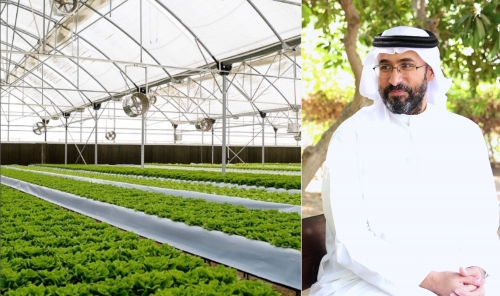

What began as a modest experiment in 2012, Peninsula Farms has blossomed into a shining example of sustainable farming in Bahrain. Driven by the vision of Shaikh Rashid bin Khalifa Al Khalifa, the farm isn’t just producing food; it’s cultivating a future where Bahrain strengthens its food security and embraces environmentally responsible practices. From humble hydroponic beginnings, Peninsula Farms has grown into a national success story, demonstrating the power of innovation and dedication in the face of challenging conditions.
The Genesis of Bahrain’s Farm: A Focus on Food Security
Shaikh Rashid affectionately refers to Peninsula Farms as “Bahrain’s farm,” a testament to his deep commitment to the nation’s agricultural self-sufficiency. The initial goal was simple, yet profound: to bolster Bahrain’s food security. Starting with hydroponically grown lettuce, tomatoes, and peppers, the farm gradually expanded, replacing reliance on imported produce with locally sourced alternatives.
This wasn’t about overnight success, but a series of small victories and significant milestones. Each season brought growth, not just in terms of acreage, but also in the variety of crops offered to consumers. Today, Peninsula Farms spans nearly 35,000 square meters of open-field farming, providing nutritious options and shortening the journey from farm to table.
Innovation in Sustainability: Beyond Traditional Agriculture
Peninsula Farms isn’t simply about growing food; it’s a hub for innovative sustainable agriculture practices. The farm’s commitment to environmental responsibility is evident in its ambitious solar power initiative, currently covering 70% of its energy needs, with a clear vision of reaching 100% green energy.
However, the commitment to sustainability extends far beyond solar panels. Peninsula Farms operates under a strict zero-waste philosophy, creatively repurposing resources that might otherwise be discarded. A prime example is the transformation of unsold goat milk into high-quality, natural soap – a testament to resourceful thinking. “We learned how to make soap from returned milk instead of throwing it out. It’s genuinely good quality,” Shaikh Rashid explains.
Composting and Oasis Creation
The farm also actively engages in a composting program, collaborating with local hotels and restaurants to collect organic waste. This waste is then converted into nutrient-rich compost, used to fuel the farm’s ambitious tree-growing initiative.
“We want to help turn parts of the desert into an oasis,” Shaikh Rashid shares with pride. “You can even see our greenery on Google Maps now, that always makes me smile.” This initiative demonstrates a commitment to not only sustainable food production but also to environmental restoration and beautification.
Reconnecting Communities with Local Produce
For Shaikh Rashid, local farming is about more than just technology and environmental stewardship; it’s about people and culture. Bahrain’s history as a trading hub has long normalized reliance on imported goods. Peninsula Farms is actively working to rebuild the connection between communities and their local farmers.
He emphasizes the importance of knowing your farmer and understanding the origin of your food, particularly when seeking organic options. Today’s increasingly health-conscious and curious consumers are driving a renewed interest in local agriculture, breathing new life into Bahrain’s agricultural ecosystem.
Overcoming Challenges in the Bahraini Climate
Running a farm in Bahrain’s desert climate presents unique challenges. The harsh conditions demand resilience and innovative solutions. However, the team at Peninsula Farms views these obstacles not as roadblocks, but as opportunities to learn and adapt. Farming, they believe, teaches patience and perseverance.
Shaikh Rashid’s personal connection to agriculture stems from his grandfather’s passion for the land. While he never initially envisioned himself as a farmer, his love for Bahrain motivated him to explore horticulture and hydroponics, driven by a belief in the country’s potential for local food production and a thriving farming community. He credits the dedication of his team and the support of national leadership for the farm’s continued success.
Aligning with Bahrain’s Vision 2030
Peninsula Farms’ work is deeply aligned with Bahrain’s Vision 2030, a national plan focused on sustainable development and economic diversification. The farm’s initiatives directly contribute to key goals, including increased food production, environmental sustainability, responsible waste management, and ambitious tree-planting programs.
Looking ahead, Shaikh Rashid hopes to see continued community support for local farmers, particularly through increased attendance at the Farmers’ Market throughout the season. He envisions a future where Bahrainis can readily access fresh, locally grown produce, fostering a stronger connection to their land and their food. Amidst the vibrant colours, enticing aromas, and friendly conversations at the market, Bahrainis can discover the many treasures grown right at home, supporting a more sustainable and secure future for their nation.