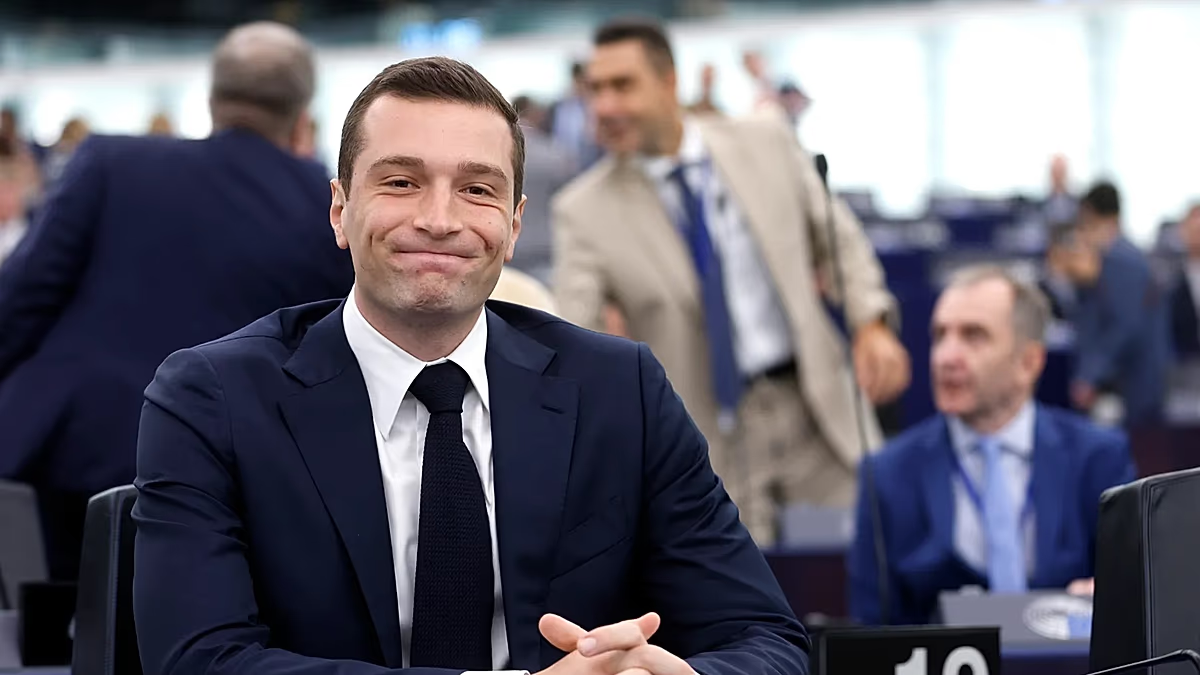

The far-right Patriots for Europe group is preparing to launch another vote of no-confidence against the European Commission led by Ursula von der Leyen, potentially as early as this week. The move comes in direct response to the recent approval of the Mercosur trade deal by EU member states, a decision the group claims disregards the interests of European farmers. This is the fourth attempt to challenge von der Leyen’s leadership during the current legislative term.
Sources within Patriots for Europe indicate the text of the motion is currently being finalized and will be discussed at a bureau meeting in Brussels on Tuesday. A formal vote is targeted for the European Parliament’s plenary session scheduled for January 19-22, though procedural hurdles could delay it until February.
Patriots for Europe Push for No-Confidence Vote
The impetus for this latest challenge stems from the controversial Mercosur agreement, a trade deal with South American nations that has faced significant opposition, particularly from agricultural sectors in France and other EU countries. Jordan Bardella, chair of Patriots for Europe and leader of the French National Rally, has strongly criticized the deal, accusing Brussels and Paris of prioritizing trade over the needs of European farmers.
This isn’t the first time Patriots for Europe has attempted to oust the current Commission. A similar motion was tabled in October, arguing that the Commission had ignored widespread opposition to Mercosur from national parliaments, the European Parliament, and farming communities. The new text is expected to echo these concerns.
Procedural Requirements and Timeline
To proceed with the vote, Patriots for Europe needs to secure 72 signatures from MEPs, a threshold they are expected to easily meet with their delegation of 85 members. However, the process doesn’t end there. The signatures must be certified, and the motion’s text requires validation by the Parliament’s internal services, a process that can take several days.
If validation is delayed, the vote could be pushed back to the next plenary session in February. Parliamentary sources suggest the group is attempting to expedite the procedure, but the timeline remains tight.
The European Commission has not yet officially responded to the anticipated motion. However, previous attempts to trigger a vote of no-confidence have seen the Commission defended by mainstream political groups.
Limited Prospects for Success
Despite the renewed effort, the likelihood of successfully removing Ursula von der Leyen remains extremely low. A motion of censure requires a two-thirds majority of votes cast, representing a majority of all MEPs – a high bar that is unlikely to be cleared given the support von der Leyen enjoys from major groups like the European People’s Party (EPP).
The previous no-confidence vote in October resulted in 378 votes against, 179 in favor, and 37 abstentions, demonstrating the strength of support for the current Commission president. Centrist forces largely united to back von der Leyen, and a similar outcome is anticipated this time.
However, the vote serves a political purpose for Patriots for Europe, allowing them to highlight their opposition to the Mercosur deal and criticize what they perceive as a centralized and unresponsive Commission. This aligns with broader concerns about the EU’s trade policy and its impact on European agriculture, a key issue for many voters. The group hopes to capitalize on farmer protests across Europe, which are gaining momentum. Reuters provides further coverage of these protests.
Looking ahead, the European Parliament will likely debate the motion of no-confidence, providing a platform for Patriots for Europe to voice their criticisms. While the outcome is almost certain, the debate will offer insight into the divisions within the Parliament and the ongoing tensions surrounding EU trade policy. Observers will be watching to see if the vote attracts any unexpected support from other political groups and how the Commission responds to the challenge. Stay informed about developments in the European Parliament and the future of the Mercosur trade deal.