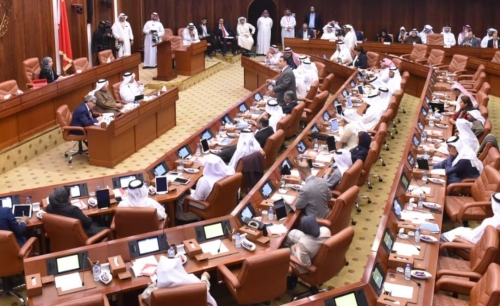

The Bahrain Parliament is set to vote on a significant update to social security for Gulf citizens working across borders. This government bill, amending the GCC’s cross-border social insurance system, introduces crucial provisions like unemployment insurance for nationals employed outside their home countries. The move aims to bolster social stability and facilitate labor mobility within the Gulf Cooperation Council. This update represents a major step forward in protecting the rights and financial security of GCC workers.
Expanding Social Security for GCC Nationals
The proposed legislation, attached to Royal Decree No. 38 of 2025, focuses on approving amendments to the Unified System for Extending Insurance Protection to citizens of GCC states working in another member state. Currently, the system provides coverage for pensions and some healthcare benefits. However, the addition of unemployment benefits is a key component of the proposed changes.
This expansion isn’t solely about adding a new benefit. The bill also seeks to modernize the entire system, streamlining contribution collection and fostering greater collaboration between civil pension bodies and social insurance agencies throughout the GCC. This coordinated approach is vital for ensuring seamless protection for citizens moving between member states.
Key Amendments within the Bill
The draft law is structured simply, consisting of a preamble and two articles. The first article formally approves the amended GCC regulation, while the second delegates implementation to the Prime Minister and relevant ministers, each operating within their respective areas of responsibility. The law will come into effect the day after its publication in the Official Gazette. This streamlined process ensures swift implementation once approved.
Current Coverage and Impacted Numbers
Data from Bahrain’s Social Insurance Organisation (SIO) provides a snapshot of the current system’s usage. As of the fourth quarter of 2023, 905 Bahrainis in the public sector and 2,812 in the private sector were insured under the unified system while working in other GCC countries. Saudi Arabia hosts the largest number of insured Bahraini private sector workers, with 1,737 individuals covered.
Meanwhile, the SIO data also reveals that 801 Bahrainis in the public sector and 6,824 in the private sector had completed their service under the system since its inception, up to the fourth quarter of 2023. Again, Saudi Arabia accounts for the largest proportion of these, with 4,345 former Bahraini private sector employees having utilized the system. These figures highlight the significant number of Bahrainis relying on this cross-border social security framework.
Parliamentary and Ministerial Support
The bill has received positive reviews from key parliamentary committees. The Legislative and Legal Affairs Committee confirmed its constitutional soundness, while the Financial and Economic Affairs Committee anticipates no direct financial burden. They believe the amendments will actually improve the efficiency of contribution collection and strengthen coordination between pension and social insurance bodies.
The Ministry of Foreign Affairs clarified that the amendment originates from a decision made by the GCC Ministerial Council during its 162nd session on November 28, 2024, and was subsequently endorsed by GCC leaders at the 45th summit in Kuwait on December 1, 2024. The overarching goal is to provide GCC citizens with the same social security benefits regardless of where within the bloc they are employed, promoting both social stability and workforce mobility.
Stakeholder Endorsements and Future Outlook
Support for the bill extends beyond governmental bodies. Trade union groups have expressed their approval, citing the clearer contribution routes and expanded payment options as beneficial for workers and a reduction in administrative hurdles. A retirees’ group also voiced their support, emphasizing the positive impact on the long-term sustainability of insurance funds.
Parliament’s Services Committee has also recommended approval, signaling broad consensus on the importance of this legislation. The introduction of social insurance for unemployed GCC citizens working abroad is a progressive step towards a more integrated and supportive regional labor market.
In conclusion, the impending parliamentary vote on this amendment to the GCC’s cross-border social insurance system represents a significant advancement in protecting the rights and financial well-being of Gulf citizens working across the region. The inclusion of unemployment insurance, coupled with improvements to contribution collection and inter-agency coordination, promises to enhance social stability and facilitate greater labor mobility within the GCC. The bill’s smooth passage through parliamentary committees and endorsements from key stakeholders suggest a high likelihood of approval, paving the way for a more secure future for GCC workers. Further updates on the vote and implementation will be closely watched by both citizens and employers alike.