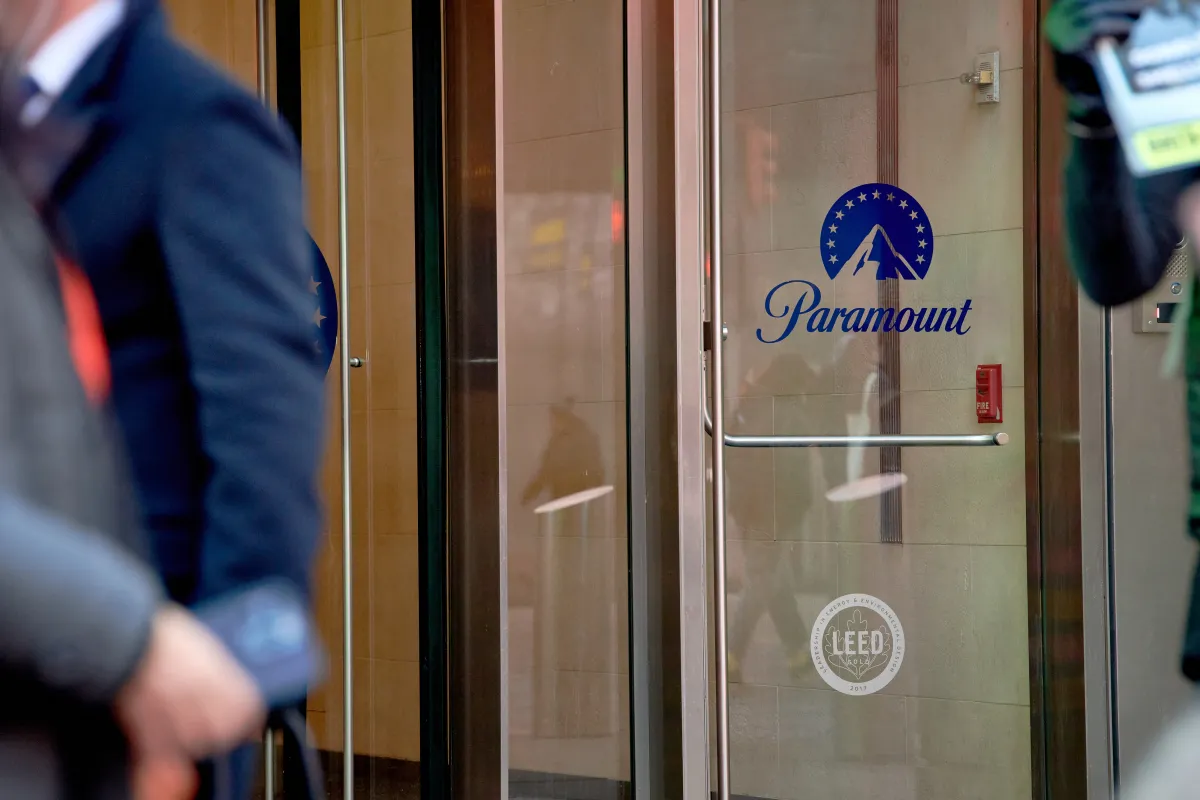

The proposed merger between Warner Bros. Discovery (WBD) and Netflix is facing increasing scrutiny and legal challenges as concerns mount over potential media consolidation. Paramount Global has filed a lawsuit against WBD, alleging a lack of transparency regarding the Netflix deal and arguing its own offer presents a more financially sound alternative. This legal action adds to existing opposition from political figures and industry groups worried about the impact of such a large-scale acquisition.
On Monday, Paramount CEO David Ellison announced the lawsuit filed in Delaware Chancery Court. The suit demands WBD provide detailed financial disclosures related to the $82.7 billion Netflix acquisition, information Paramount claims is necessary for shareholders to evaluate their competing $30 per share cash offer. The escalating dispute highlights the high stakes involved in reshaping the streaming landscape.
The Battle for Control: Examining the Netflix Merger
The potential merger would combine two of the biggest players in the streaming industry, creating a media powerhouse with a vast library of content and a significant subscriber base. Netflix currently leads the streaming market, and acquiring WBD’s assets – including HBO, Warner Bros. film and television studios, and Discovery – would dramatically expand its reach and influence. This consolidation is prompting questions about competition and consumer choice.
Paramount’s Legal Challenge
Ellison contends that WBD has been evasive in providing a clear rationale for rejecting Paramount’s offer. In a letter to shareholders, he stated WBD hasn’t explained how it valued the Netflix transaction, accounted for debt, or justified its risk assessment of Paramount’s all-cash bid. Paramount believes shareholders deserve a comprehensive understanding of the financial implications before making a decision.
WBD’s board previously rejected Paramount’s bid, citing concerns about the likelihood of the deal’s completion. This rejection fueled Paramount’s demand for greater transparency, ultimately leading to the lawsuit. The Delaware Chancery Court is known for its expertise in corporate law and will likely play a crucial role in determining the outcome of this dispute.
Political Opposition and Antitrust Concerns
The proposed merger has also drawn criticism from political circles. Former President Donald Trump voiced his concerns over the weekend, sharing an opinion piece that warned of a “cultural takeover” by Netflix. Trump reportedly expressed his unease after a December meeting with Netflix co-CEO Ted Sarandos, citing the company’s already substantial market share.
Beyond Trump’s comments, several lawmakers, including Senators Elizabeth Warren, Bernie Sanders, and Richard Blumenthal, have raised antitrust concerns. They argue the merger could lead to higher prices for consumers, particularly in light of Netflix’s recent price increases. The Writers Guild of America (WGA) has also formally opposed the acquisition, echoing these antitrust concerns.
Industry Reaction and Potential Impacts
The broader media industry has largely reacted negatively to the proposed deal. Concerns center around potential job losses, the future of theatrical film releases, and the representation of diverse voices in storytelling. Some analysts suggest a combined entity might prioritize streaming over traditional cinema, further accelerating the decline of movie theaters.
Netflix and WBD attempted to alleviate some of these fears in a joint letter last month, but their assurances haven’t fully quelled the opposition. The potential for reduced competition in content creation and distribution remains a significant worry for many industry observers. The impact on smaller studios and independent filmmakers is also a subject of debate.
The situation is further complicated by the evolving landscape of the streaming market. Disney+, Hulu, and Amazon Prime Video are all major competitors, and the rise of ad-supported streaming tiers is adding another layer of complexity. The merger could potentially reshape these dynamics, but the ultimate outcome is uncertain.
Additionally, the broader economic climate and regulatory environment will influence the fate of the deal. Increased scrutiny from antitrust regulators could lead to significant concessions or even block the merger altogether. The current high interest rate environment may also impact the financial viability of large acquisitions.
The next step in this process will likely involve legal proceedings in the Delaware Chancery Court, where Paramount will seek to compel WBD to disclose the requested financial information. A decision from the court is expected in the coming weeks, though the timeline remains fluid. The outcome of the lawsuit, coupled with ongoing regulatory reviews, will determine whether this landmark media deal moves forward.