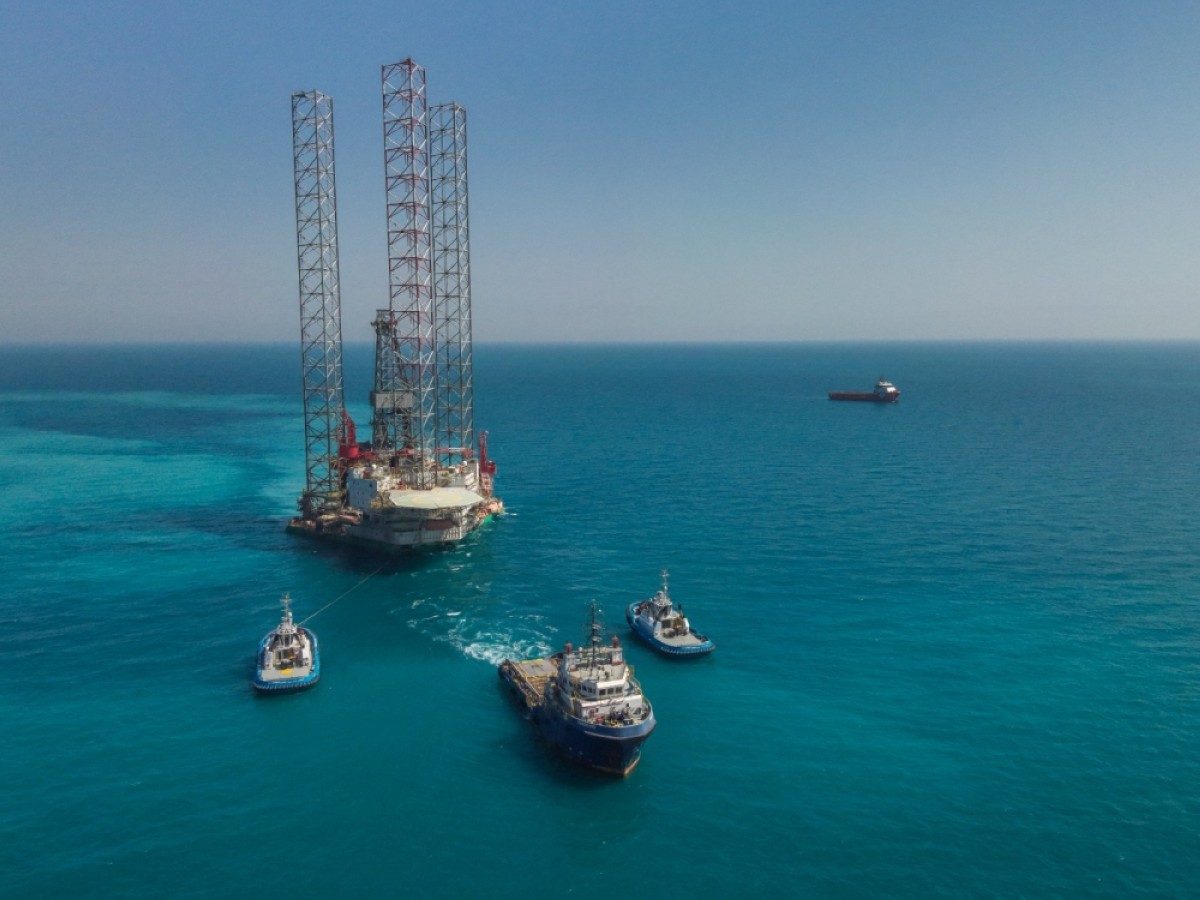

Kuwait is experiencing a significant shift in its energy sector, transitioning from decades of exploratory research to tangible, commercially viable offshore oil exploration successes. Recent discoveries are poised to bolster the nation’s production capacity and cultivate a new generation of technical expertise within its petroleum industry. This marks a pivotal moment for Kuwait’s long-term energy security and economic diversification.
A New Era for Kuwaiti Oil: Offshore Discoveries Gain Momentum
For years, Kuwait’s oil strategy has primarily focused on land-based reserves. However, the potential of its offshore resources has been increasingly recognized. Officials announced on Wednesday that this potential is now being realized, with multiple significant discoveries made in recent months. These finds represent a crucial step in sustaining Kuwait’s position as a major global energy producer.
Sheikha Tamadur Khaled Al-Ahmad Al-Sabah, Director of Public Relations and Petroleum Media at the Ministry of Oil, emphasized that offshore drilling has become “one of the vital pathways” for securing Kuwait’s energy future. She highlighted the crucial role of Kuwaiti professionals throughout the entire process, from initial geological studies to complex technical operations and future field development. This commitment to national expertise is a key component of the current strategy.
The Jazza-1 Offshore Field: A Record-Breaking Discovery
The most recent success story is the Jazza-1 offshore field, discovered in October 2025. This field, covering approximately 40 square kilometers, has already demonstrated impressive production levels. Initial data reveals output exceeding 29 million cubic feet of gas and over 5,000 barrels of condensates per day from the Jazza-1 well – a record for a vertical well in Kuwait.
The Kuwait Oil Company (KOC) anticipates that the field’s size will expand as additional appraisal drilling and a comprehensive three-dimensional seismic survey are completed. This ongoing assessment will provide a more accurate understanding of the field’s full potential.
Building on Previous Successes: Noukhatha and Julaia
The Jazza-1 discovery builds upon the momentum generated by earlier finds. In July 2024, KOC announced the Noukhatha offshore field, hailed as Kuwait’s first major offshore discovery. Estimated reserves for Noukhatha are around 3.2 billion barrels of oil equivalent.
Following Noukhatha, the Julaia offshore field was revealed in January 2025. Julaia is estimated to contain 800 million barrels of medium crude oil and 600 billion cubic feet of gas, presenting opportunities for phased development of associated gas resources. These discoveries collectively demonstrate the growing promise of Kuwait’s oil and gas reserves in its offshore territories.
A History of Offshore Exploration and Future Plans
While recent successes are generating excitement, Kuwait’s journey into offshore exploration dates back to 1961. However, focused drilling efforts didn’t begin until 2014, starting with a two-dimensional marine seismic survey. Detailed geological reservoir studies followed, completed in 2018, paving the way for the formal offshore drilling program launched in 2022.
The Noukhatha-1 well, drilled on August 8, 2022, using the Oriental Phoenix rig, marked the official start of this new phase. The Julaia-2 well, drilled on September 23, 2023, utilizing the Oriental Dragon rig, further solidified the potential. Currently, Kuwait’s offshore area spans roughly 6,000 square kilometers.
Looking ahead, the exploration plan includes six new wells targeting both Cretaceous and Jurassic formations. A three-dimensional seismic survey is also being prepared to guide future drilling operations, with two offshore rigs currently in operation. This continued investment in exploration technology and infrastructure underscores Kuwait’s commitment to maximizing its offshore potential. The development of energy infrastructure is a key priority.
Beyond Production: Developing National Expertise
The benefits of Kuwait’s offshore oil push extend beyond increased production. Sheikha Tamadur emphasized that the project is also a catalyst for developing national expertise and strengthening institutional readiness within the energy sector. This focus on human capital development will ensure that Kuwait is well-positioned to manage and benefit from its offshore resources for generations to come.
In conclusion, Kuwait’s recent offshore oil discoveries represent a significant turning point for the nation’s energy future. With ongoing exploration, advanced technologies, and a commitment to developing local expertise, Kuwait is poised to unlock substantial new resources and solidify its position as a key player in the global energy market. Further updates on these exciting developments can be found on the KOC website and through official Ministry of Oil announcements.