






By using this site, you agree to the Privacy Policy and Terms of Use.
Accept
Gulf PressGulf Press
  • Home
  • Gulf News
  • World
  • Business
  • Technology
  • Sports
  • Lifestyle
Search
Countries
More Topics
  • Health
  • Entertainment
Site Links
  • Customize Interests
  • Bookmarks
  • Newsletter
  • Terms
  • Press Release
  • Advertise
  • Contact
© 2023 Gulf Press. All Rights Reserved.
Reading: Pakistani rice exporters experiencing rejection of shipments from EU, UK, and US
Share
Notification Show More
Latest News
Three Asian nationals arrested with drugs in Shinas
Gulf
Assets of public investment funds reach SR218 billion by end of Q3 2025
Gulf
Ashghal continues roads, infrastructure works in Jeryan Nejaima
Gulf
Jordi Cruyff appointed Ajax technical director
Sports
WEF economists expect global economic conditions to weaken in 2026 over mounting debt, geopolitics
Business
Aa
Gulf PressGulf Press
Aa
  • Gulf News
  • World
  • Business
  • Entertainment
  • Lifestyle
  • Sports
Search
  • Home
  • Gulf
  • Business
  • More News
    • World
    • Technology
    • Lifestyle
    • Entertainment
    • Sports
Have an existing account? Sign In
Follow US
  • Terms
  • Press Release
  • Advertise
  • Contact
© 2023 Gulf Press. All Rights Reserved.
Gulf Press > Business > Pakistani rice exporters experiencing rejection of shipments from EU, UK, and US
Business

Pakistani rice exporters experiencing rejection of shipments from EU, UK, and US

News Room
Last updated: 2024/07/02 at 5:43 AM
News Room
Share
3 Min Read
SHARE

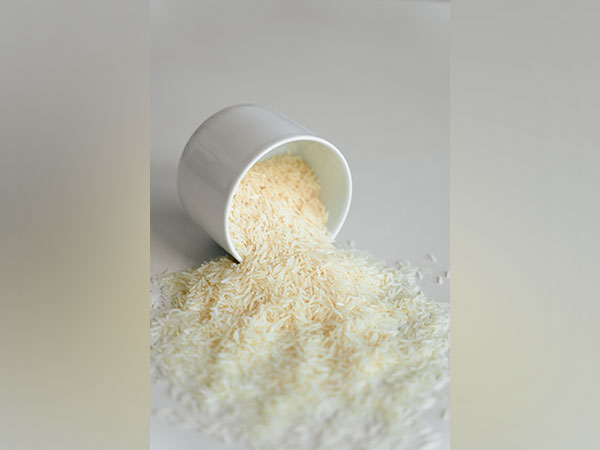
Pakistan’s agricultural and food sector is facing challenges, primarily due to its narrow export base dominated by a limited range of commodities, with rice being the primary export generating over USD 3.5 billion in foreign exchange in the fiscal year 2024. However, the rice export industry is under threat from the rejection of shipments by the European Union, the United Kingdom, and the United States due to serious food safety concerns, including pesticide residues and mycotoxins in the rice.

In recent years, the European Union has issued alerts for pesticide residues in rice shipments, particularly basmati rice from Pakistan and India. Pakistan has seen an increase in non-compliance compared to India, with higher cases of mycotoxins, particularly aflatoxins. This has raised concerns among exporters who face the risk of an EU ban unless corrective actions are taken to strengthen food safety protocols in the rice sector.

The rice value chain in Pakistan involves farmers, stockists, millers, and exporters, with the misuse of agrochemicals by farmers contributing to high pesticide residue levels in harvested rice. Improper application practices, lack of education among farmers, and inadequate post-harvest handling further exacerbate the issue of pesticide residues and mycotoxins, leading to contaminated rice shipments and threatening the country’s rice export industry.

While efforts by organisations like the Rice Exporters Association of Pakistan (REAP) to raise awareness among farmers and stakeholders are commendable, more extensive educational campaigns and financial incentives are needed to incentivize the adoption of safer agricultural practices. The government of Pakistan faces hurdles in implementing bans on harmful chemicals due to resistance from influential pesticide companies and inadequacies in the regulatory framework to enforce such bans.

There is a need for enhanced governmental support and effective policy implementation to address the challenges faced by Pakistan’s rice sector. Measures such as export development surcharges and subsidised loan schemes for upgrading drying facilities in rice mills could help improve compliance with international food safety standards. Additionally, partnerships with agriculture extension services and pesticide companies, along with digital educational campaigns, are crucial in promoting safer agricultural practices and ensuring the sustainability of Pakistan’s rice export industry in the global market.

Overall, the issues of pesticide residues and mycotoxins in Pakistan’s rice sector require immediate attention and action to prevent further rejections of rice shipments and potential bans by importing countries. By addressing these challenges through a collaborative effort involving government, industry stakeholders, and farmers, Pakistan can improve the quality of its rice exports and secure its position in the international market.


Sign Up For Daily Newsletter

Be keep up! Get the latest breaking news delivered straight to your inbox.
I have read and agree to the terms & conditions
By signing up, you agree to our Terms of Use and acknowledge the data practices in our Privacy Policy. You may unsubscribe at any time.
News Room July 2, 2024
Share this Article
Facebook Twitter Copy Link Print
Previous Article Amazon avoids carbon offset standards supported by Bezos’ funding – News
Next Article From Prisoners to Soldiers: Ukraine’s Mobilization of Inmates
Leave a comment Leave a comment

Leave a Reply Cancel reply

Your email address will not be published. Required fields are marked *

Stay Connected

235.3k Followers Like
69.1k Followers Follow
56.4k Followers Follow
136k Subscribers Subscribe
- Advertisement -
Ad imageAd image

Latest News

Three Asian nationals arrested with drugs in Shinas
Gulf January 18, 2026
Assets of public investment funds reach SR218 billion by end of Q3 2025
Gulf January 18, 2026
Ashghal continues roads, infrastructure works in Jeryan Nejaima
Gulf January 18, 2026
Jordi Cruyff appointed Ajax technical director
Sports January 18, 2026

You Might also Like

Business

WEF economists expect global economic conditions to weaken in 2026 over mounting debt, geopolitics

January 18, 2026
Business

Flamingos, lofts and luxury: What’s coming next at D3, Dubai Design District

January 18, 2026
Business

Wings India 2026 to spotlight manufacturing, sustainable aviation

January 18, 2026
Business

IndiGo fined Rs222 million over flight disruptions in December

January 18, 2026
Business

India a key growth engine for global economy: IMF Spokesperson

January 18, 2026
Business

India builds rockets and warplanes — so why not passenger jets?

January 18, 2026
Business

For India, 2026 will be the year of ‘resilience’: Deloitte

January 17, 2026
Business

Oman’s GDP grows by 2 percent at constant prices.

January 17, 2026
//

Gulf Press is your one-stop website for the latest news and updates about Arabian Gulf and the world, follow us now to get the news that matters to you.

Quick Link

  • Privacy Policy
  • Terms of ue
  • Advertise
  • Contact

How Topics

  • Gulf News
  • International
  • Business
  • Lifestyle

Sign Up for Our Newsletter

Subscribe to our newsletter to get our latest news instantly!

I have read and agree to the terms & conditions
Gulf PressGulf Press
Follow US

© 2023 Gulf Press. All Rights Reserved.

Join Us!

Subscribe to our newsletter and never miss our latest news, podcasts etc..

I have read and agree to the terms & conditions
Zero spam, Unsubscribe at any time.

Removed from reading list

Undo
Welcome Back!

Sign in to your account

Lost your password?