

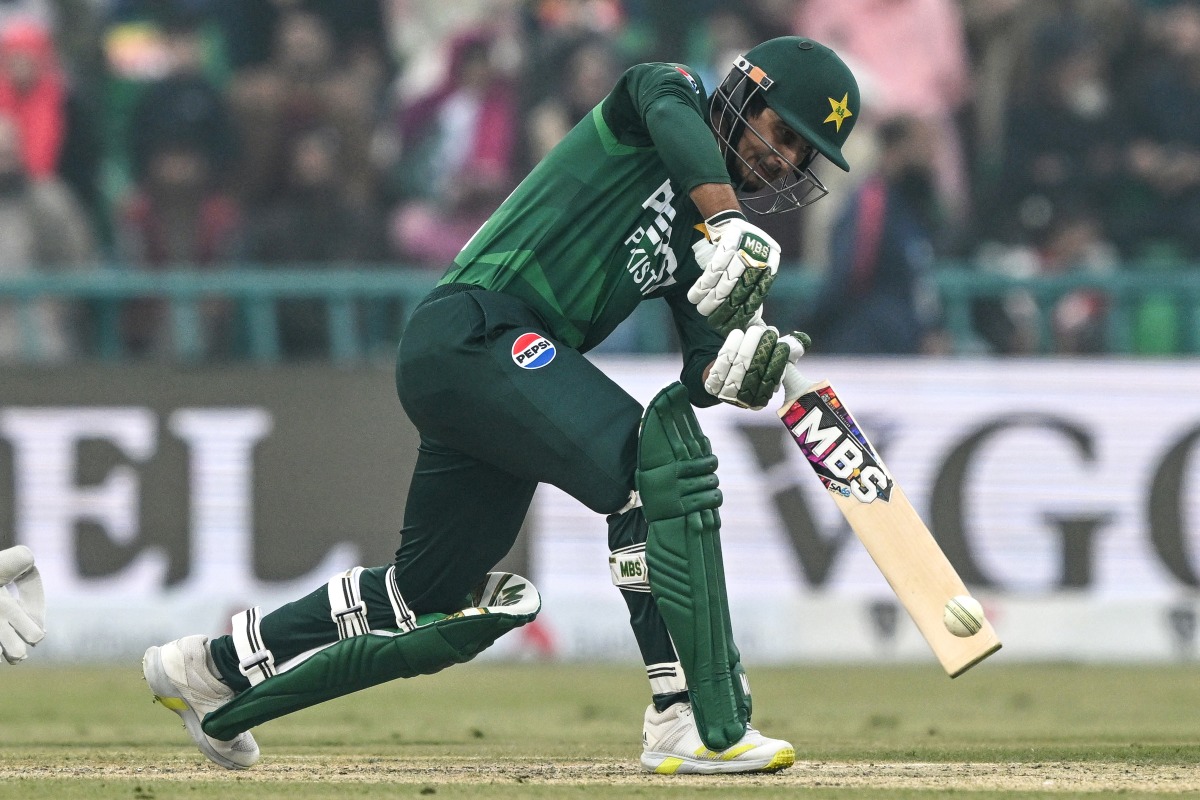

Pakistan’s participation in the upcoming Twenty20 World Cup has been conditionally approved by the government, but the team will be barred from playing against India on February 15th. The decision, announced Sunday, allows the national cricket team to compete in the tournament starting February 7th, despite ongoing geopolitical tensions. This unprecedented restriction raises questions about the tournament’s integrity and potential sporting ramifications.
The announcement came just days before the start of the Twenty20 World Cup, co-hosted by Pakistan and India. According to a government release, the approval for participation is granted with the specific caveat that Pakistan will not play its scheduled match against India. The decision impacts the tournament schedule and throws the group stage into disarray.
Pakistan Cricket Team Faces Restrictions at World Cup
The Pakistani government’s rationale centers on security concerns and prevailing diplomatic relations with India. While details remain limited, officials cited the current political climate as the primary driver behind the decision. This follows a period of heightened tensions between the two nations, impacting various forms of cooperation, including sporting events.
Geopolitical Context
Historically, cricket matches between Pakistan and India are among the most highly anticipated sporting events globally, drawing massive viewership and generating significant revenue. However, these matches have frequently been disrupted by political factors. Previous encounters have been moved to neutral venues or cancelled altogether due to security concerns. This latest development represents a more direct governmental intervention.
Additionally, the decision has sparked debate regarding the principles of fair play and the independence of sports from political influence. Critics argue that selectively barring a team from competing against a specific opponent sets a dangerous precedent. The International Cricket Council (ICC) has yet to issue a formal statement regarding the situation.
Meanwhile, logistical challenges are emerging as tournament organizers scramble to adjust the schedule. The ICC is reportedly exploring options, including awarding India a walkover victory or rescheduling the match to a neutral venue, though the latter appears unlikely given the short timeframe. The impact on the tournament’s overall structure and fairness remains a significant concern.
In contrast to the restrictions placed on the match against India, Pakistan is cleared to compete against all other participating nations in the Twenty20 World Cup. The team is currently preparing for its opening match on February 7th against New Zealand in Lahore. The government has assured full support for the team’s participation in these other games.
The decision also affects potential revenue streams for both the Pakistan Cricket Board (PCB) and the ICC. Matches between Pakistan and India consistently generate substantial broadcasting rights fees and ticket sales. The loss of this fixture will undoubtedly impact the financial bottom line of the tournament. The ICC is assessing the financial implications.
The PCB has acknowledged the government’s decision and stated it is working with the ICC to find a suitable resolution. The board emphasized its commitment to upholding the spirit of cricket while respecting the government’s directives. The situation highlights the complex interplay between sports and politics in the region. The PCB is expected to release a detailed statement in the coming days.
Looking ahead, the ICC is expected to announce a revised tournament schedule within the next 48 hours. The primary focus will be on minimizing disruption and ensuring the integrity of the competition. The long-term implications of this decision on future Pakistan-India cricket relations and the broader landscape of international sports remain uncertain. Further developments will depend on ongoing diplomatic efforts and the ICC’s response to the evolving situation. The Twenty20 format’s popularity and the World Cup’s global reach add further complexity to the issue.