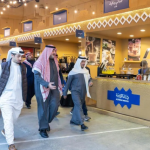

Doha, Qatar – The Al Wakrah Old Souq will host the inaugural Pakistan citrus festival from January 10-18, 2026, showcasing the diverse range of Pakistan’s renowned fruit exports. Organized in collaboration with the Embassy of Pakistan in Qatar, the event aims to introduce residents and visitors to the quality and variety of Pakistani agricultural products, with a particular focus on the popular kinnow mandarin. The festival will be open daily from 4pm to 9pm at Farḍat Al-Madhoub, the waterfront area of the Souq.
The event is a direct effort to bolster trade relations and promote Pakistani agricultural exports within the Gulf region. According to the Embassy of Pakistan in Qatar, the festival provides a unique platform to experience these products in a traditional market setting. The initiative follows a period of growth in Pakistan’s fruit exports, particularly kinnows, which generated significant revenue in recent years.
Boosting Pakistani Citrus Exports Through Qatar Festival
Pakistan is a significant player in the global citrus market, ranking as the 12th largest producer worldwide with an annual output of approximately 2.4 million tonnes. A substantial portion of this production, around 400,000 tonnes, is comprised of kinnows, a variety known for its sweet-tangy flavor and ease of peeling. These kinnows are exported to numerous international markets, supported by certifications like Global GAP and HACCP, ensuring adherence to international quality standards.
Expanding Agricultural Trade
The festival is being supported by the Trade Development Authority of Pakistan (TDAP), which actively works to expand the reach of Pakistani fruits in global markets. TDAP’s efforts have contributed to a rise in fruit exports, with citrus – and kinnows specifically – generating an estimated $328.5 million in export revenues during the 2024–2025 fiscal year. This demonstrates a growing international demand for Pakistani agricultural produce.
However, challenges remain in maintaining consistent export volumes. Factors such as weather patterns, logistical hurdles, and international trade regulations can impact Pakistan’s ability to consistently meet global demand. The festival aims to mitigate some of these challenges by establishing direct connections between Pakistani exporters and Qatari consumers and businesses.
Meanwhile, Qatar’s own food security strategy emphasizes diversifying import sources and promoting high-quality agricultural products. This festival aligns with those goals, offering a new avenue for sourcing premium agricultural products. The event also provides an opportunity to strengthen bilateral ties between Pakistan and Qatar, fostering economic cooperation beyond traditional energy partnerships.
In contrast to typical wholesale arrangements, the festival format allows for direct consumer engagement, providing valuable feedback to exporters and building brand recognition for Pakistani citrus. Organizers hope this direct interaction will lead to increased long-term demand and potentially open doors for further trade agreements.
The choice of Al Wakrah Old Souq as the venue is deliberate. The Souq’s traditional atmosphere and popularity with both locals and tourists are expected to draw a large crowd, maximizing the festival’s reach. The waterfront location, Farḍat Al-Madhoub, provides ample space for displays and sampling, creating an immersive experience for visitors.
Looking ahead, the success of the 2026 festival will likely determine whether it becomes an annual event. Organizers will be closely monitoring visitor numbers, sales figures, and feedback from both exporters and consumers. Further developments, including potential expansion to include other Pakistani agricultural products, are contingent on the initial outcomes and ongoing discussions between the Embassy of Pakistan and Qatari authorities.
The Pakistan Embassy Qatar’s announcement on Twitter provides further details and updates on the event.